Axis of diesel
Who stands to benefit from Trump’s cosy new oil deal with Putin?



Despite being met with widespread outrage from across the political spectrum, US President Donald Trump’s surprise announcement on Saturday that he'll allow Russia to sell the equivalent of 15 tankers of diesel fuel on the American market will not meaningfully benefit Russia’s budget whatsoever.
In fact, Russian oil and gas revenues will still end the year in the red, and the so-called “diesel deal” could actually exacerbate Russia’s already significant domestic fuel shortages.
Though Washington joined Ukraine’s allies in introducing sanctions on Russian oil and petroleum products following the Kremlin’s 2022 invasion of Ukraine, the US Department of the Treasury has now issued a licence allowing Russia to sell diesel on foreign markets for the next six months.
Though the White House has exempted dozens of Russian goods and companies from sanctions since 2022, including nuclear fuel, energy projects on Sakhalin, the overseas assets of Rosneft and Lukoil, agricultural products, medicine and medical supplies, this is the first time the US has allowed one of Russia’s major export commodities to return to global markets.
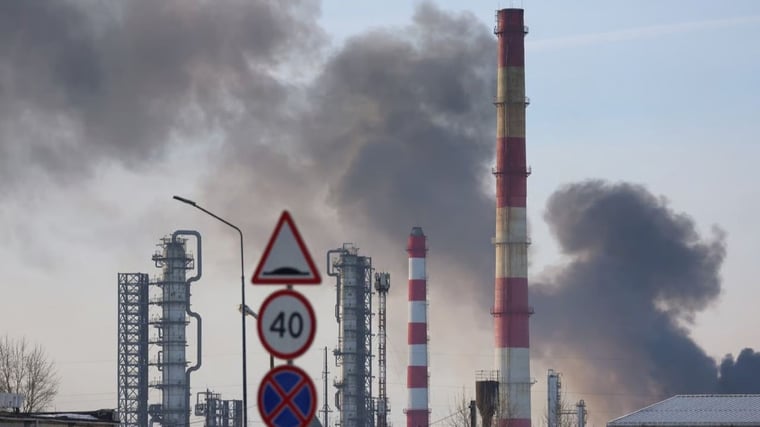
The exemption granted by the Trump administration was accompanied by one made by the Russian government, which banned the export of its own diesel in July following nationwide fuel shortages caused by a concerted campaign of Ukrainian airstrikes on the country’s oil refineries.
Faustian pact
In allowing the return of Russian diesel to global markets, Trump is clearly hoping to reverse engineer a fall in domestic gas prices in time for next month’s midterm elections in the United States. However, for that to happen, Russian refineries need to be operating at normal capacity, which is why Trump has suddenly taken an interest in ending the war in Ukraine again.
Having preemptively announced that both Moscow and Kyiv had agreed to stop attacking each other’s energy infrastructure — something both countries subsequently denied — Trump is now demanding that both sides observe the moratorium.
While Ukrainian President Volodymyr Zelensky did signal his readiness to back the plan on Monday, Russian Foreign Minister Sergey Lavrov struck a very different tone and said that the Ukrainian president had “not earned a respite on the battlefield."
On Saturday, Russian Deputy Prime Minister Alexander Novak, who oversees the country’s oil sector, pledged that Russia would supply 1.8 million tonnes of diesel to the global market by the end of the year, a figure that was then cited by Trump following his phone call with Vladimir Putin. After that, Russian diesel exports are due to increase to 3 million tonnes a month, though these figures are notional at present.
In fact, the Russian government has so far only authorised exports of 500,000 tonnes of diesel, slightly less than the amount required by the US economy in a single day, while an export ban remains in place for all other fuel types.
On the up
The reluctance of the Russian authorities to allow the export of other types of fuel is understandable; diesel was already the most profitable fuel produced by Russian oil refineries, and its price has risen sharply in recent months due to the US-Israeli war against Iran and the resulting closure of key Middle Eastern shipping straits.
The main beneficiaries of the diesel deal are therefore Russian oil companies, which, according to Russian oil industry expert Kirill Rodionov, have been forced to endure financial losses by the Kremlin's three-month ban on diesel exports.
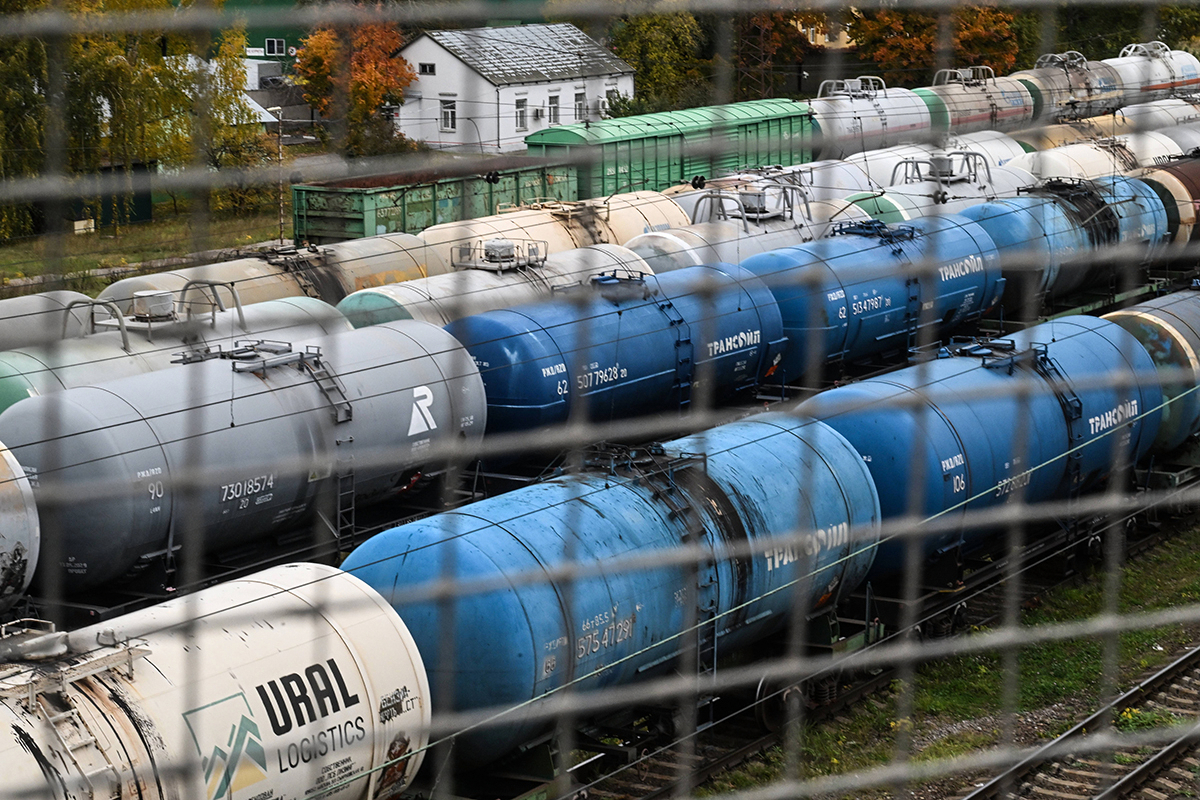
“Diesel is a key component of Russia’s petroleum product exports, more widely traded than petrol and more valuable than fuel oil,” Rodionov wrote on his Telegram channel on Sunday. Until mid-2026, when Russia’s fuel price subsidy mechanism — known as the damper — was extended to diesel, there was no financial incentive for producers to sell the fuel on the domestic market at all, which is why Russian oil companies have been lobbying so hard to get the export ban lifted.
But even if oil companies, along with the traders who sell their products to international buyers, stand to profit from the easing of these restrictions, the Russian Treasury cannot expect a windfall itself. A hypothetical increase in diesel exports, combined with a likely rise in domestic demand for crude-oil processing, still won’t offset the decline in oil production necessitated by Ukraine’s recent targeting of Russian refineries.
Even if we assume that Russia really does ship 1.8 million tonnes of diesel to global markets by the end of the year, that would amount to just 2% of annual output from all Russian refineries. In crude oil equivalents, it comes to around 6 million tonnes, or just over 1% of annual production.
Breaking even
The Russian government has already predicted that oil and gas revenues will bring in €10 billion less this year than the €81 billion they earned in 2025, and yet Russia’s current budget calculations were based on projected oil and gas revenues of almost €96 billion in 2026.
Those projections failed to materialise due to a triple whammy of a strong ruble, record-low oil prices at the beginning of the year, and a decline in Russian production as a result of Ukrainian airstrikes.
For Russia’s federal coffers to earn more revenue would require one of three already unlikely scenarios to occur. The ruble has already weakened considerably against the dollar compared with the beginning of the year, losing 14% of its value. Most forecasts suggest it is unlikely to fall much further, given the Central Bank’s high interest rates, elevated oil prices and sanctions that severely restrict foreign trade. Oil prices, which have repeatedly broken the $100-a-barrel mark, have little room left to rise.
That leaves just one solution: a substantial increase in Russian oil production, which seems unlikely to happen, not least as the state collects revenue through taxes imposed at the wellhead, not when hydrocarbons are sold. This year has already seen Russian crude production plunge to its lowest level in 17 years, with output dropping 5.6% in the first half of 2026 alone.
With motorists, freight hauliers and agricultural producers facing a severe financial hardship, the Russian government imposed a total ban on energy exports in mid-July, just as the fuel shortage was reaching its peak.
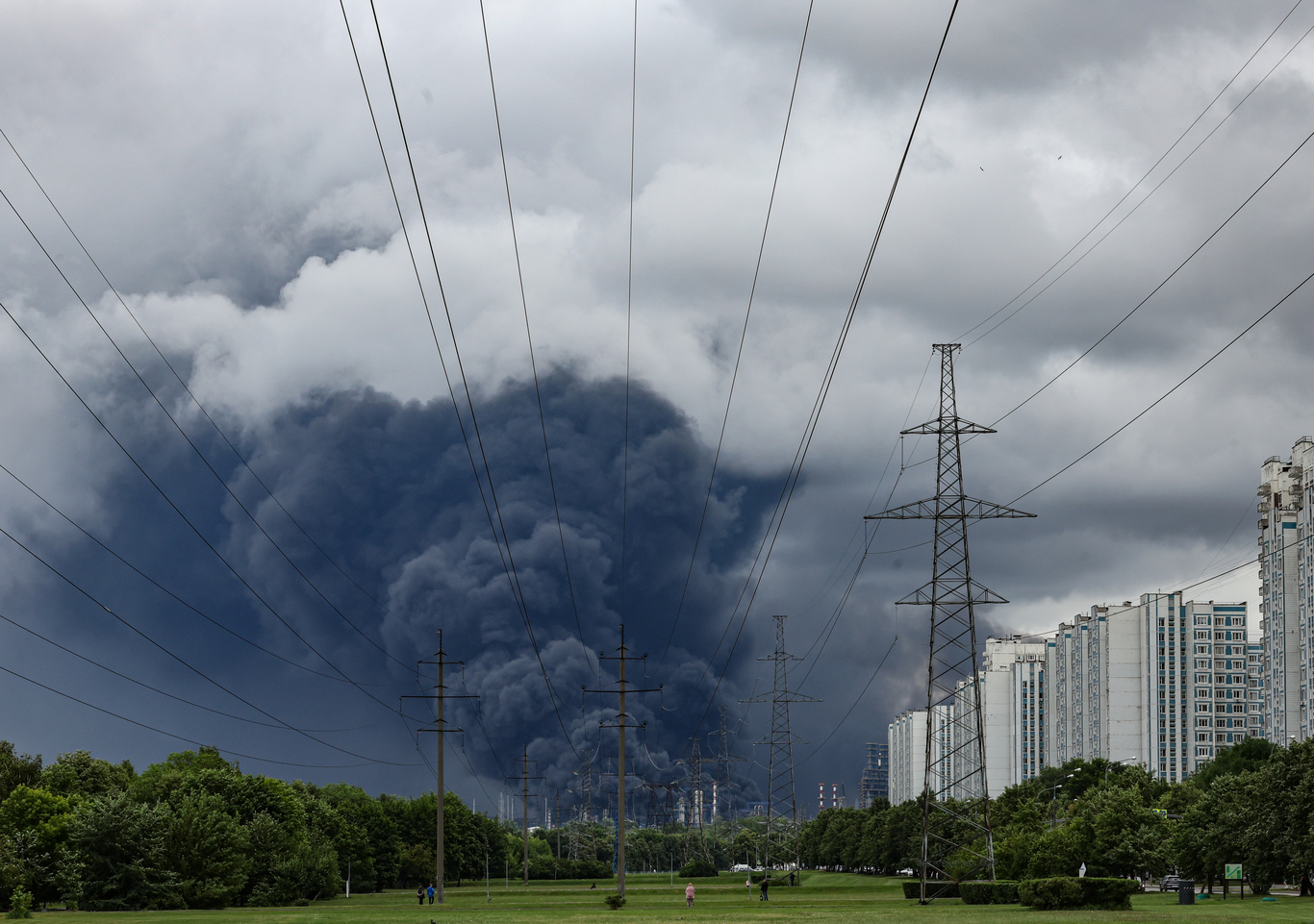
By the time it was introduced, Russia’s refining capacity had been reduced by more than half following a series of devastating Ukrainian airstrikes. According to Novaya Europe’s own calculations, over half of Russia’s filling stations were out of diesel this summer, a figure that peaked at 85% during the height of the fuel crisis in August. Once exports were banned, domestic fuel availability began to improve, however, and by September diesel shortages were being reported at just 10–20% of filling stations.
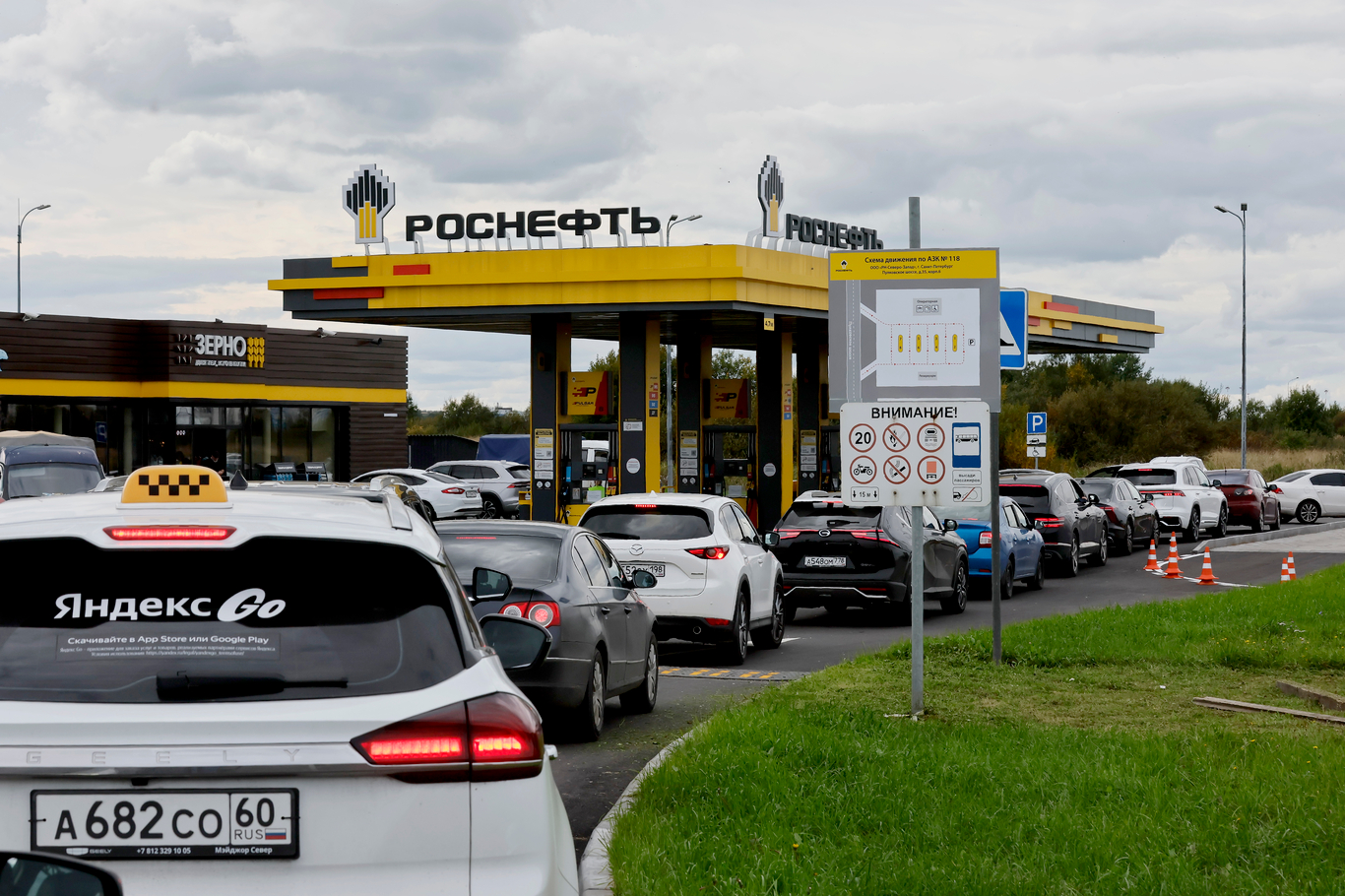
However, Russia’s reduced oil refining capacity remains a major obstacle to its attempts to weather the storm. In recent months, the Armed Forces of Ukraine have struck refineries on an almost daily basis, with many facilities coming under repeated attack.
If no energy ceasefire deal can be reached and Ukrainian drones continue to attack Russian ports, then even partially reopening Russian export channels could actually worsen the fuel shortage. That’s particularly the case if Novak’s promise to export 3 million tonnes of diesel a month comes to pass, as this was approximately the volume of fuel being exported by Russia until the ban was brought in.
This deal is therefore far more important to Trump, who, with less than a month to go before the midterms, now needs to show voters that he is in their corner as they endure diesel prices that have risen by 70% this year. Trump can also use the deal as another argument in his long-running dispute with the Federal Reserve: the president is demanding lower interest rates, while the Fed is taking the opposite view.
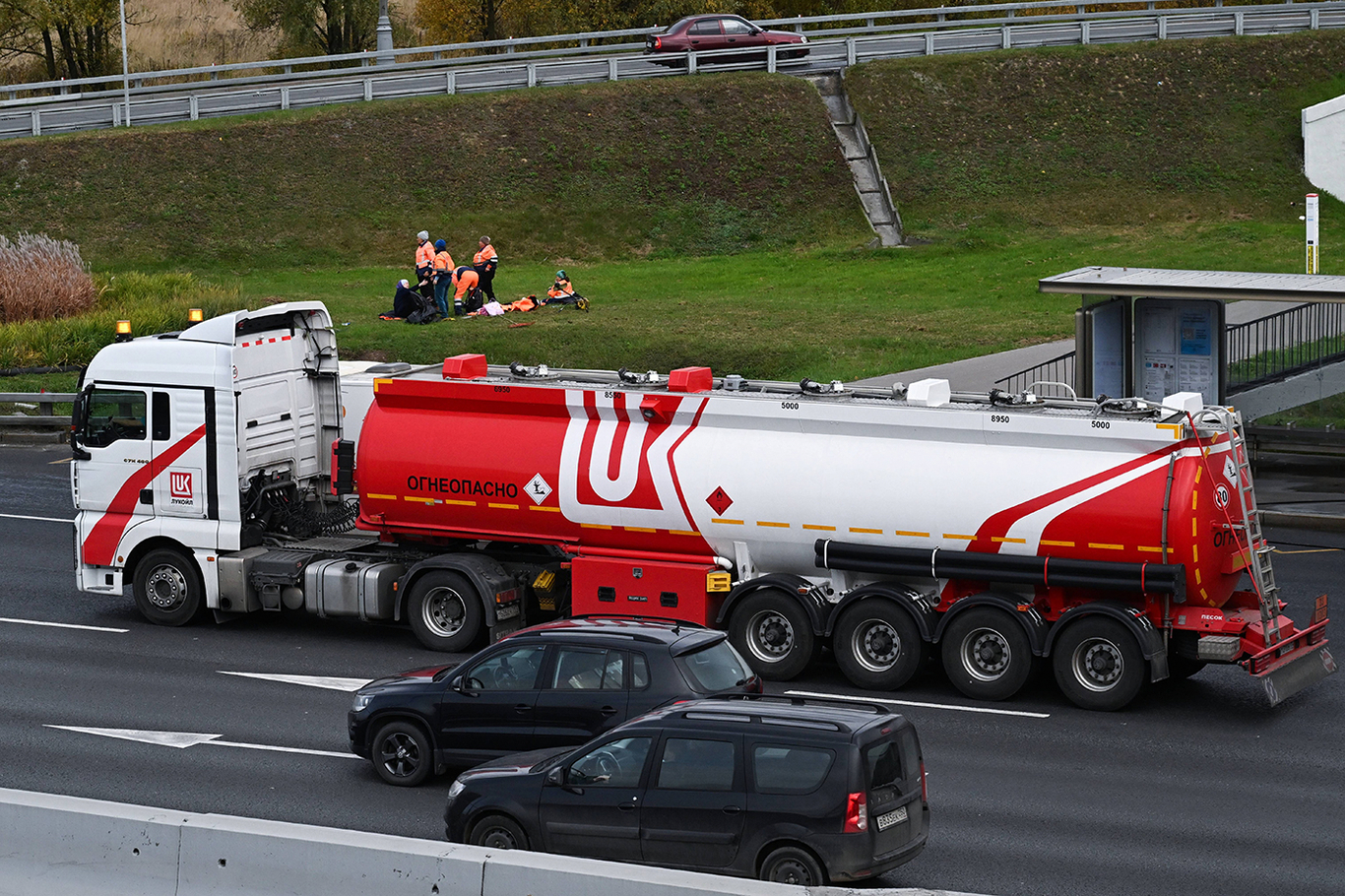
Since his return to the White House last year, Trump has alternated between using the promise of closer business ties between the US and Russia and the threat of “hellish sanctions” in his attempts to influence Putin. While joint-venture energy projects, the purchase of nuclear-powered icebreakers, and the extraction of rare-earth metals have all been discussed, the US has also imposed sanctions on Russia’s so-called “shadow fleet”, as well as on the country’s two largest oil producers, Rosneft and Lukoil.
Then, just a few weeks before the diesel deal, Trump signed the Lindsey Graham Act, which was specifically designed to reduce Russia’s energy export revenues and to allow the US to impose tariffs of up to 100% on goods from countries that are major importers of Russian resources.
Despite his repeated pledges to do so, Trump has failed to end the war in Ukraine. His new diesel deal has already landed him in trouble at home, with a bipartisan group of senators declaring the move unlawful on Monday. Indeed, Congress could well block the agreement between the White House and the Kremlin, according to Alexandra Filippenko, an expert on US affairs.
The issue is that two US laws are involved: the Countering America’s Adversaries Through Sanctions Act (CAATSA), signed by Trump himself during his first term, and the oil embargo imposed in 2022, signed by Trump’s predecessor Joe Biden. Under both laws, any changes to US policy towards Russia require congressional approval, though there is an exemption for one-off or short-term licences.
Six months, the period for which the exemption has now been issued, is a “substantial amount of time” noted Filippenko in comments to Novaya Europe, adding that Congress might conclude that the “diesel” licence is neither short-term nor a one-off.