‘I’ve never seen kindness like this in my life’
Three Russians who recently emigrated explain why they stayed so long, and what finally made them leave

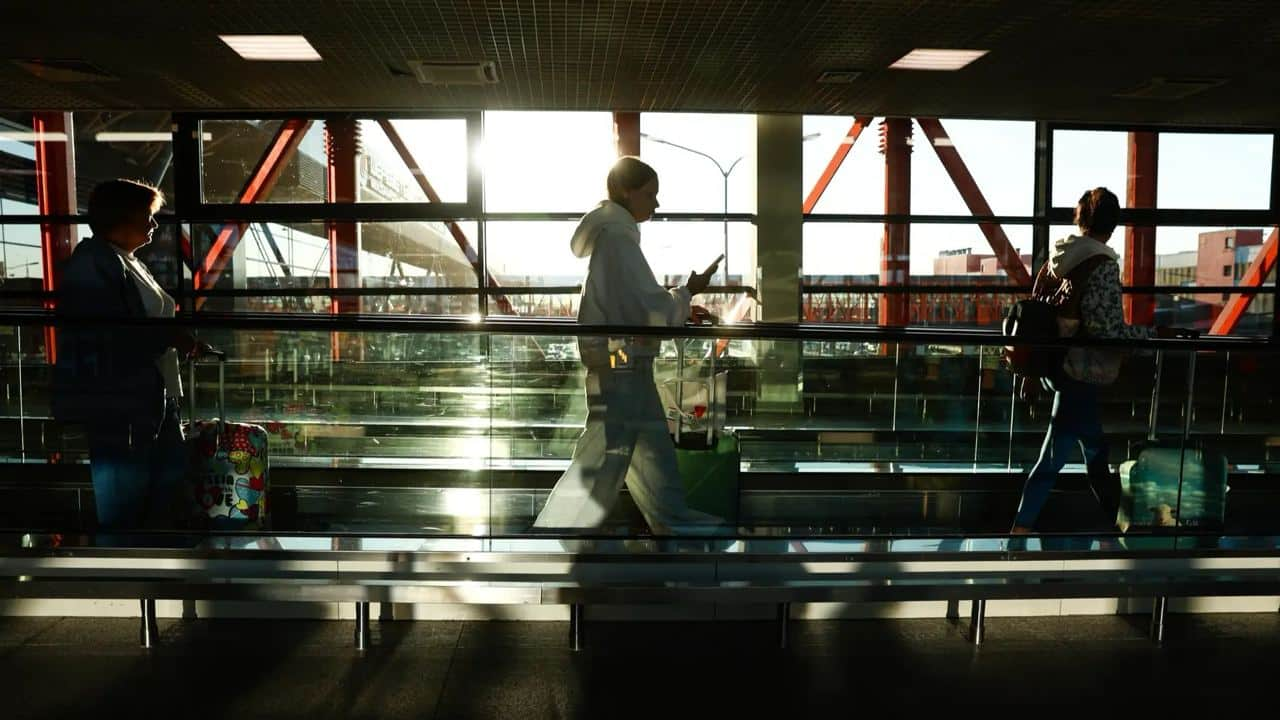

As rumours of a new mobilisation continue to spread, Russians are increasingly looking for ways to leave the country. The human rights group Kovcheg, which helps Russians emigrate, reported a sharp rise in inquiries in late August, and Google searches from Russians about how to emigrate were on the rise as early as February.
For many Russians leaving the country now, the idea had been developing for years. Some waited until they were old enough; others saved money, retrained for a new career, or spent a long time looking for a legal way out. Still others had no intention of leaving until they ran into new risks.
Novaya Gazeta Europe spoke with three people from different parts of Russia who have left the country in 2026. They spoke about what the final straw was, why they didn’t leave sooner, and how their experience differs from those of earlier emigrants.
‘I don’t have any hope left’
Alexandra, a trans woman from Russia’s Lipetsk region, dreamed of emigrating even before the full-scale war began; the problem was that she was a minor and couldn’t leave on her own. For years, she researched routes and planned her departure. In 2026, as soon as she turned 18, she left.
“My parents were very sceptical about the decision, because I had only finished ninth grade, and for them having an education is a must,” she says. But for her, the most important thing was to leave Russia as soon as it became possible.
She now lives in Sweden with her boyfriend, and the path there wasn’t easy. First, Alexandra had to find out which countries still accept an old-style five-year Russian international passport.
She says the conflict was partly about her decision to leave Russia and partly about her gender transition, which she began at 15. Her mother struggled for a long time to accept it.
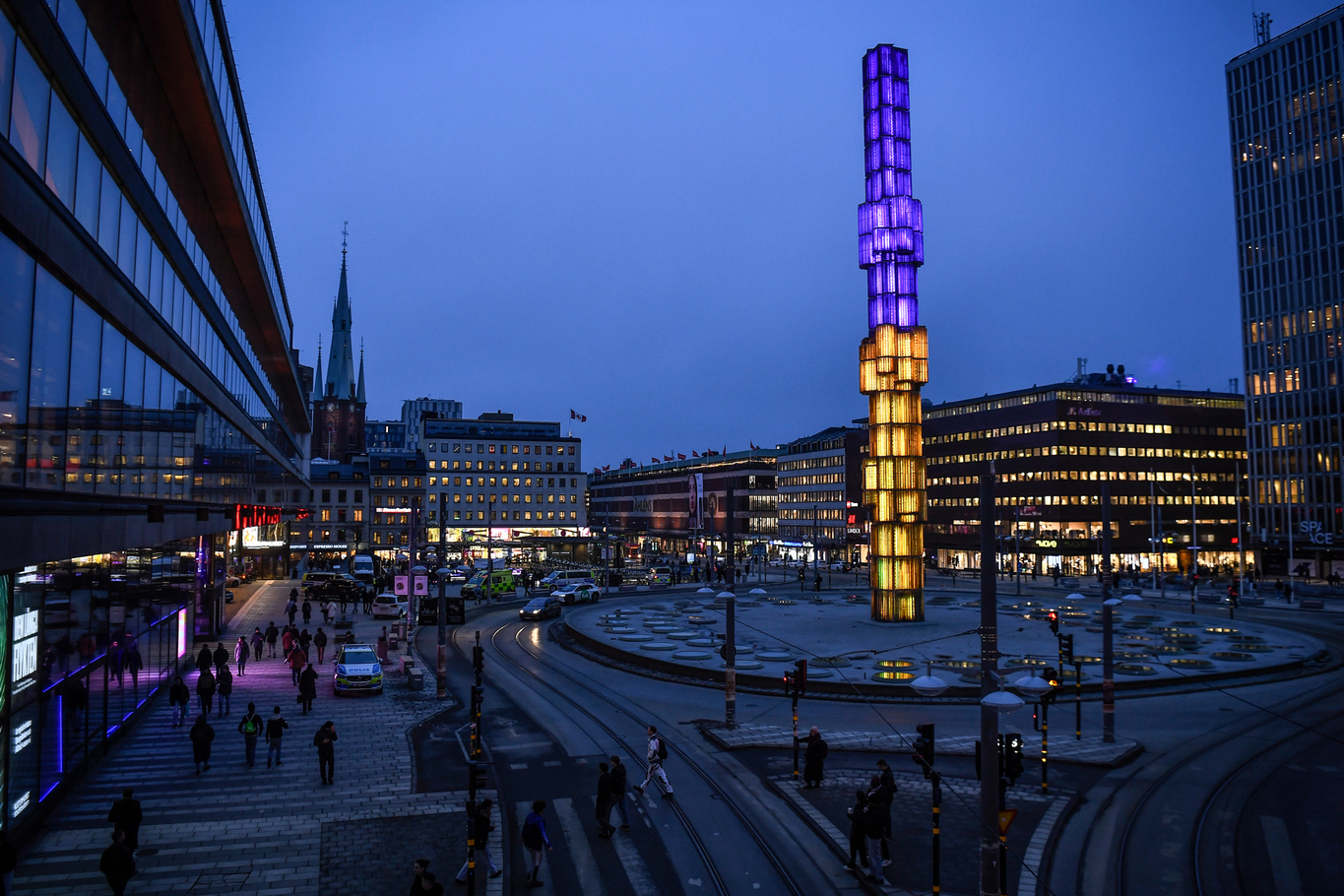
In addition to the passport problem, Alexandra had to plan the route carefully. Sweden stopped issuing Schengen visas to Russians long ago, and you can only apply for asylum once you are in the country. So she and her boyfriend decided to get Hungarian visas, fly to Budapest first, and go on to Stockholm from there. They now live in a refugee camp.
So far, Alexandra loves Sweden. “I’ve never seen kindness like this in my life,” she says. “There’s more kindness on one square kilometre here than in all of Russia.”
After the move, Alexandra was finally able to patch things up with her mother. She’s now helping Alexandra gather documents so she can obtain Ukrainian citizenship, as Alexandra is ethnically Ukrainian.
“I don’t have any hope left [that life in Russia will get better],” she says.
‘How long can I hide who I am?’
Valeria (name changed) is a journalist who also started thinking about leaving Russia before the full-scale war. But unlike Alexandra, she wanted to wait until she could find a more standard, reliable way to emigrate.
In 2021, Valeria began working actively with independent media outlets and put the emigration idea aside for a while.
“Then 2022 comes. I realise: I have to leave. I started looking at other countries. I looked specifically at English-speaking ones, because I only knew Russian and English,” Valeria says.
That was when she learned about the “talent visa” (EB-1A) in the US, which can open the way to a green card. By then, her savings of about $10,000 were only enough for the move itself. Lawyers wanted roughly the same amount to prepare her case, so Valeria decided to file on her own.
In March 2026, Valeria flew to the US. She first spent a few weeks in Philadelphia, then moved to Los Angeles.
“A lot of people who aren’t involved in activism or documentary work, who just lived ordinary lives [in Russia], write in the chat groups: ‘Oh, it’s so hard starting life from scratch. We had everything back in Russia, and here we have nothing.’ But I had nothing in Russia — really nothing. And I’ve realised that I live much better here. Because I can do what I want and not worry about the police coming to search my place or detaining me,” she says.
After 2022, when she was still in Russia, she decided to quit social media for a while after she began receiving threats on YouTube.
“I was filming ordinary street interviews about topics like pensions and democracy. And people started writing in with threats: ‘We’ll report you [to the police]. We’re in the middle of the ‘special military operation’, and you’re out here making a scene.’ A lot of things like that.”
Before leaving, she wasn’t sure she would ultimately stay in the US. But now, she says, she knows for certain that she doesn’t want to go back to Russia anytime soon. Perhaps someday in the future, but only if the regime changes.
“How long can I hide who I am? It’s not normal. I've closed the Russia chapter for myself. Since 2022 I'd been living in a state of permanent fear, and I don't want to go back to that. I understand that the country that existed before 2020, before the changes to the Constitution, is gone,” she says.
‘I’m not someone who left for ideological reasons’
Olga (name changed), by contrast, never wanted to leave Russia. She and her husband lived in Rostov-on-Don and were happy with their life. Olga worked remotely in an IT job, and her husband worked in a bar.
She first thought about moving in late May 2026, when her husband received a summons for military reservist training. While he was there, he suggested to Olga that they consider emigrating.
“That's where it dawned on him how much lawlessness is going on right now. In his company, for example, there were two diabetics who needed injections. People like that aren’t supposed to be in the army at all. But there was no medical examination,” Olga says.
At first, she and her husband wanted to move to Serbia, where some friends of theirs already lived. But Olga’s parents are getting older, and it was important for her to stay close enough to get back quickly if necessary. So the couple settled on Armenia and went there by car.
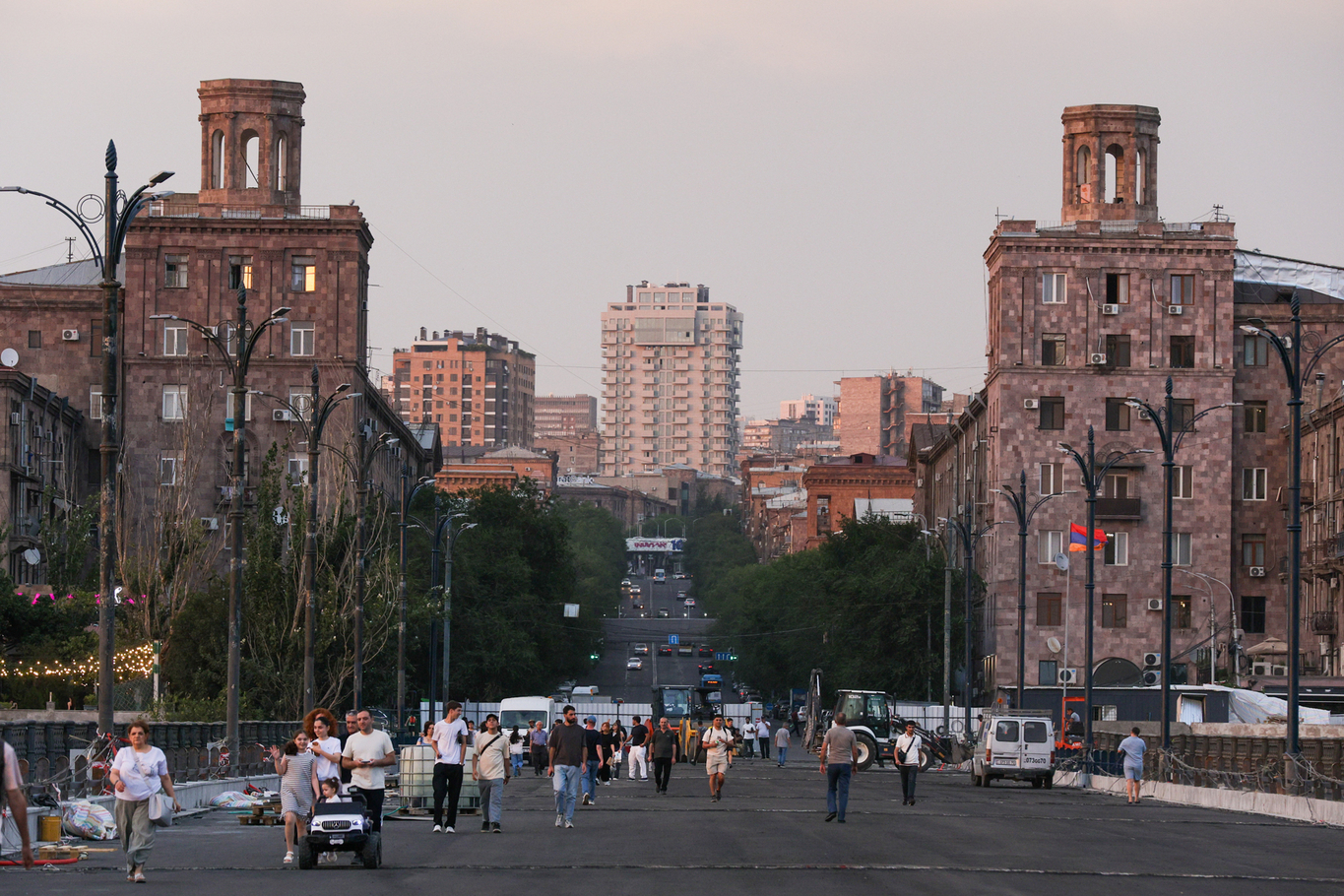
A month in Yerevan convinced her they’d made the right choice. What struck her most, she says, was how people treated her. At the border, a stranger helped her out when another car had boxed her in and she was too exhausted to manoeuvre free.
“None of that ‘oh, a woman driver’ nonsense,” she says. “He just helped and wished me well. It amazed me, and it reminded me of how things used to be in Russia.”
In Yerevan, they mostly socialise with other recent arrivals. Olga says she senses a gap between herself and those who left in past emigration waves; some of the “old” emigrants, she says, look down on the new ones and dismiss what they’ve been through.
“I recently saw a post in a channel where a woman wrote: ‘The “first wave,” who left in 2022, wouldn’t stand anywhere near the shit. The “second wave” started to smell it. And the “third wave” is people who were standing in it up to their waists and suddenly found it unpleasant.’”
Olga doesn’t consider herself a political emigrant.
They don’t plan to return anytime soon, though Olga intends to visit her parents and pick up her medication. She has type 1 diabetes, and in Russia she gets her drugs and insulin pump supplies for free.
What she wants most now is a calm, predictable life.
“For Russia to become as pleasant as Armenia again, I think people have to stop living in all of that awful tension and stress. For the first few weeks here, I kept waking up at night thinking it was an air raid alert, or that air defence forces were shooting something down. Only recently have I stopped flinching at motorcycles and thinking it’s gunfire. I think it’ll be the same for us once people stop seeing what’s happening as normal. We know how to be kind. We know how to be welcoming. We’ve just forgotten,” she says.
‘I don’t have any illusions’
Kristina’s move was also prompted by a summons for her husband.
The couple lived in Ufa, followed the news, and believed that as long as it was still possible, they should stay. But in April 2026, Kristina’s husband received a summons to report to the enlistment office and “verify his information”. They called friends who had received similar notices, and all of them said the enlistment office was truly just updating records. He decided to go. But along with updating his data, they stuck a “mobilisation order” into his military ID.
“He sent it to me,” Kristina recalls. “I said, ‘Why are you so happy about it? Did your critical thinking switch off the second you walked into the enlistment office?’ He said, ‘It’s only in case of mobilisation.’ And I said, ‘Who canceled mobilisation? Nobody did. It’s still going on.’”
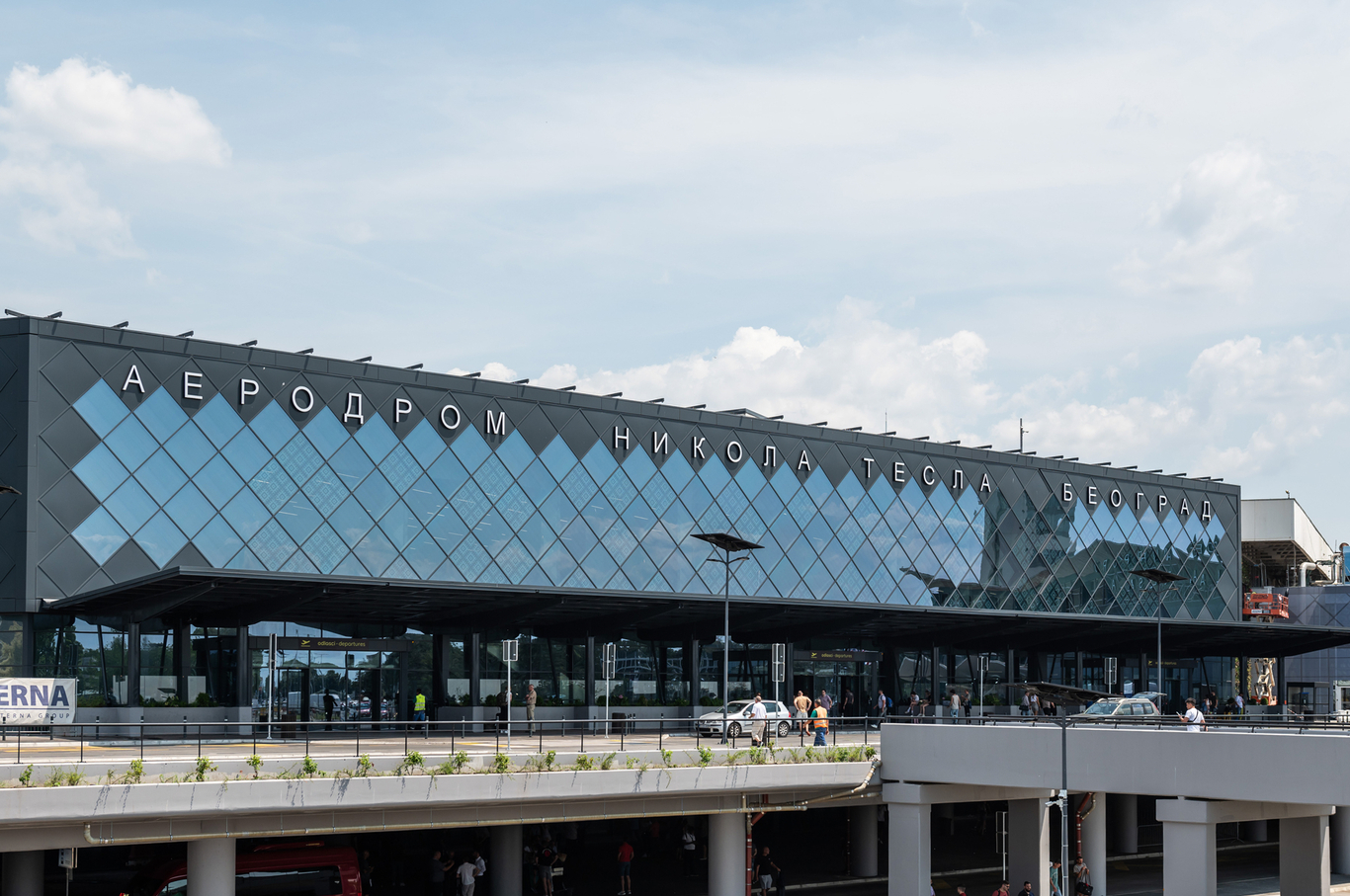
They decided he couldn’t stay. He left first, for Serbia, and Kristina followed soon after.
They never considered anywhere else, because Kristina’s daughter was already in Serbia. Her ex-husband had moved there in 2022 and offered to take the girl with him. She enrolled in a Serbian school, and she now speaks fluent English, has learned Serbian, and goes on class trips around Europe.
Kristina says the move was easier for them than for many earlier emigrants. Their children are grown, so they didn’t have to worry about settling them in a new country.
Like Olga, Kristina has heard that some Russians who left earlier look down on the newcomers, though she doesn’t think the timing of one’s departure should matter.
“Those who left earlier are quick to judge those who left now,” she says. “’You only left because they shut off your internet and you ran out of gas. We left in February [2022] because we disagreed with the politics.’ I have a very clear answer to that. I always ask, ‘So why didn’t you leave in 2014? If you disagreed with the politics?’ Because in the end, it’s obvious to me that everyone who left, me included, is just afraid for our own skin. We want to live. That’s all. Politics matters, sure, but it’s not the main thing.”
Kristina’s husband has already obtained a work-based residence permit in Serbia, and she is applying for a family reunification permit. She doesn’t yet know what she’ll do there.
Her expectations of Serbia are modest.
“I’m not building any illusions,” she says. “I try to be sensible about it. I’m not starry-eyed about Serbia or the Serbs. They’re ordinary, decent people. Thank God, unlike Russians, they aren’t Nazis or chauvinists. I just hope to be treated normally.”