Is modern Russia fascist?
Historian and political theorist Roger Griffin on the Putin regime, the hallmarks of fascism and the perils of dwelling on ‘taxonomy’

Since the start of the full-scale war in Ukraine, the debate over whether Russia’s ruling regime can be described as “fascist” has spilled far beyond academia. Vladimir Putin speaks of restoring Russia’s greatness, paints the country as a distinct civilization, and contrasts it with the “decadent” West. He’s waging a war he claims is necessary to defend Russia against external enemies, and his propaganda blends imperial, Soviet, Orthodox, and far-right ideas. Some scholars believe this all amounts to fascism, while others argue that label obscures more than it explains.
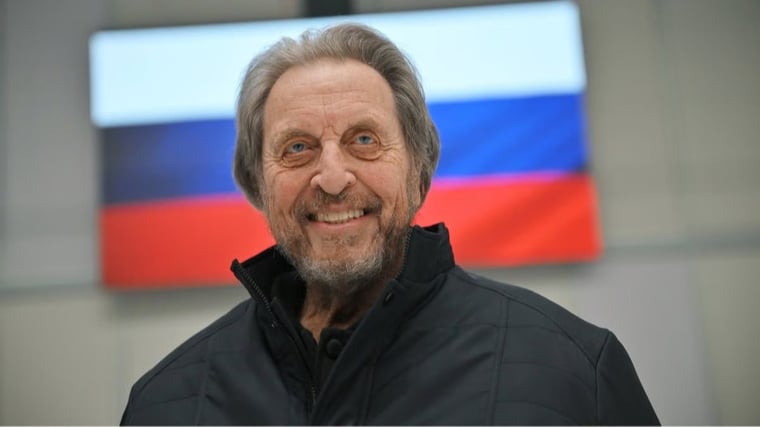
Roger Griffin, Emeritus Professor of Modern History at Oxford Brookes University, is one of the world’s most influential scholars of fascism. In the early 1990s, he proposed defining fascism as “a palingenetic form of populist ultranationalism”: an ideology seeking national rebirth achieved through a struggle against those blamed for the country’s decline. This concept has since become a cornerstone of comparative fascism studies.
Novaya Gazeta Europe spoke with Griffin about whether he considers Putin a fascist, how today’s right-wing populists differ from Hitler and Mussolini, and what political force he believes is most dangerous today. This interview has been edited for length and clarity.
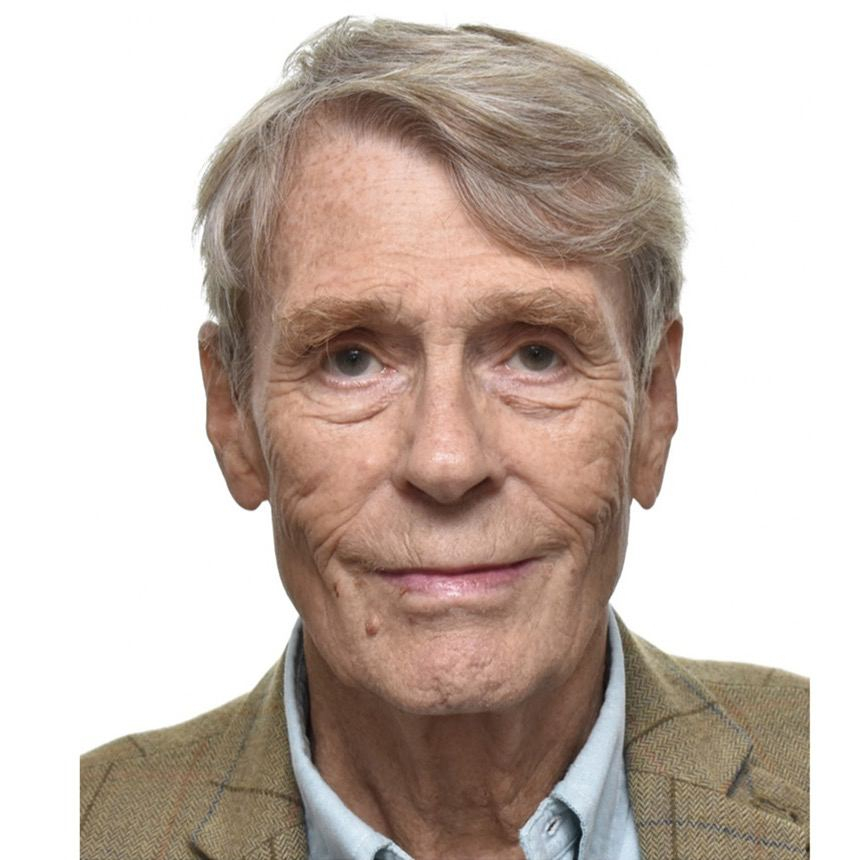
— How did you arrive at your definition of fascism?
— I came into fascism studies in a very unusual way. I studied French and German literature at Oxford University, but found myself becoming more and more interested in ideas rather than literature. I later got a job at what is now Oxford Brookes University, where I was asked to teach the history of ideas.
I became fascinated not just by “isms” and definitions, but by the relationship between a word and the phenomenon it is meant to describe. Because I had worked with languages, I knew that every language covers reality in a different way. Even words such as “nation” or “people” change their connotations as you move from one language to another. The German word Volk has very different connotations from people in English or narod in Russian.
In the early 1980s, our head of department asked me to teach a course on definitions of fascism. For me, it was a learning experience rather than a teaching experience. In 1982–1983, there was no agreed definition of fascism — unless you were a Marxist. From the Comintern of the 1930s onwards, the Soviet Union had a fixed definition of fascism and its relationship to capitalism. If you were not a Marxist, however, you had a major problem: every book by a non-Marxist historian or political scientist offered a different definition.
Many German historians argued that Nazism was not fascism because it was so extreme and unique. Many people on the left assumed that Franco was a fascist, while others disagreed. This created a basic problem: how do you know whom to invite to a conference about fascism if you do not know what fascism is?
A good university course normally shows students why a subject is problematic but ultimately gives them some kind of answer. Our course could not offer one. Every week, the students studied a different definition and ended up knowing only that they did not know. It was almost nihilistic.
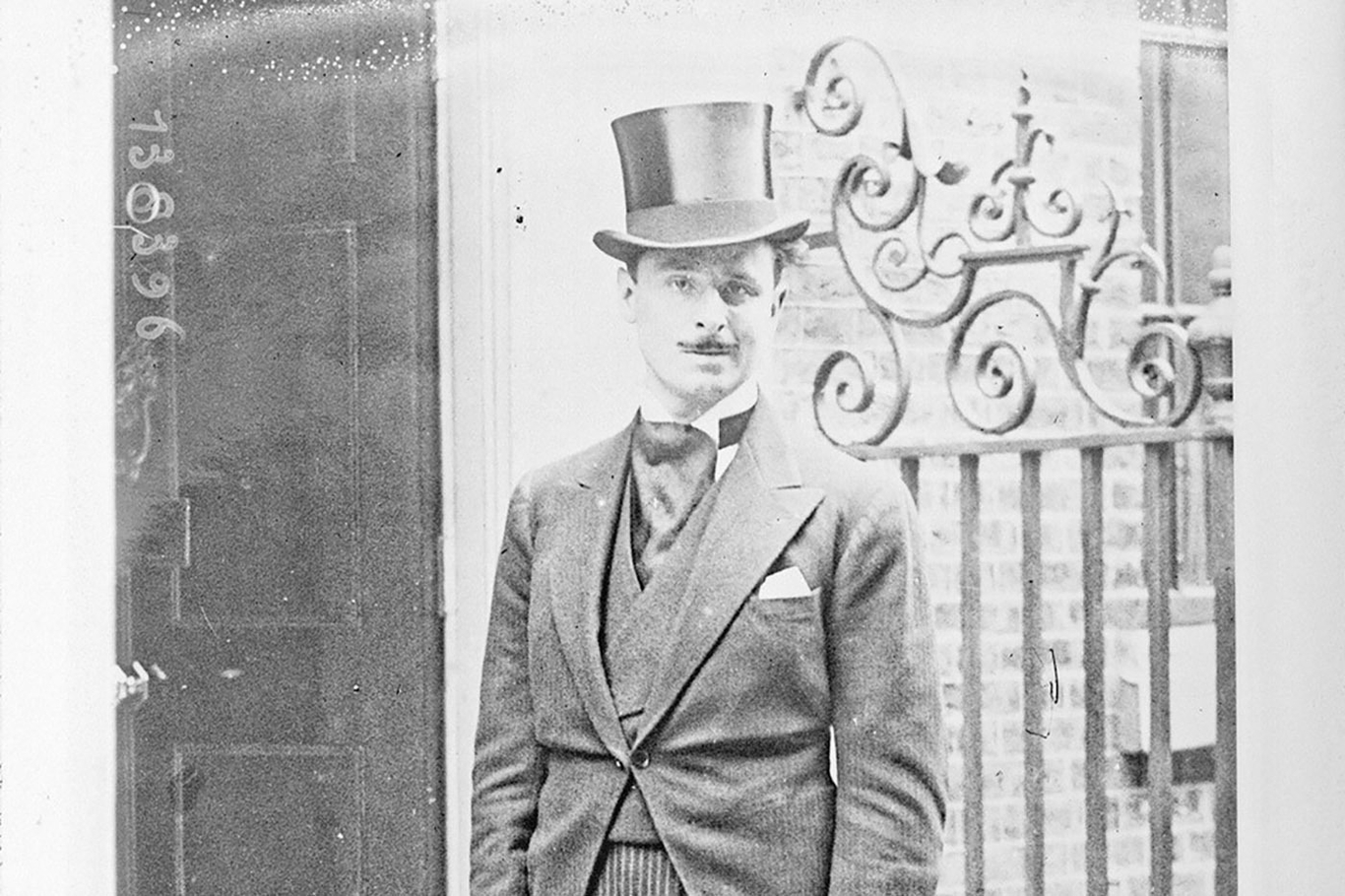
Because I could read French, German and Italian, as well as English, I began reading the fascists themselves. I started with Mussolini, then read Oswald Mosley — the twentieth-century British politician who founded and led the British Union of Fascists and openly called himself a fascist — and Nazi propaganda. Hitler did not normally call himself a fascist, but he formed alliances with fascist regimes.
These movements were very different: they emerged in different countries and under very different political circumstances. But I could see a recurring pattern in what they said. Perhaps I recognised it because I came from literature rather than political science. If you read English, French, German and Italian Romantic writers, they are all very different, but you learn to see them as different dialects of the same phenomenon. Romanticism exists, even though it looks different in every country.
It was the same with fascism. First, the nation was the central thing. Second, fascists believed their nation was dying: it was decadent, threatened, in danger or collapsing. It was threatened by communism, liberalism, immorality, weakness or racial impurity. Third, they believed the nation needed to be reborn. They used different words — Wiedergeburt, rinascita, rinnovamento: rebirth, regeneration, renewal.
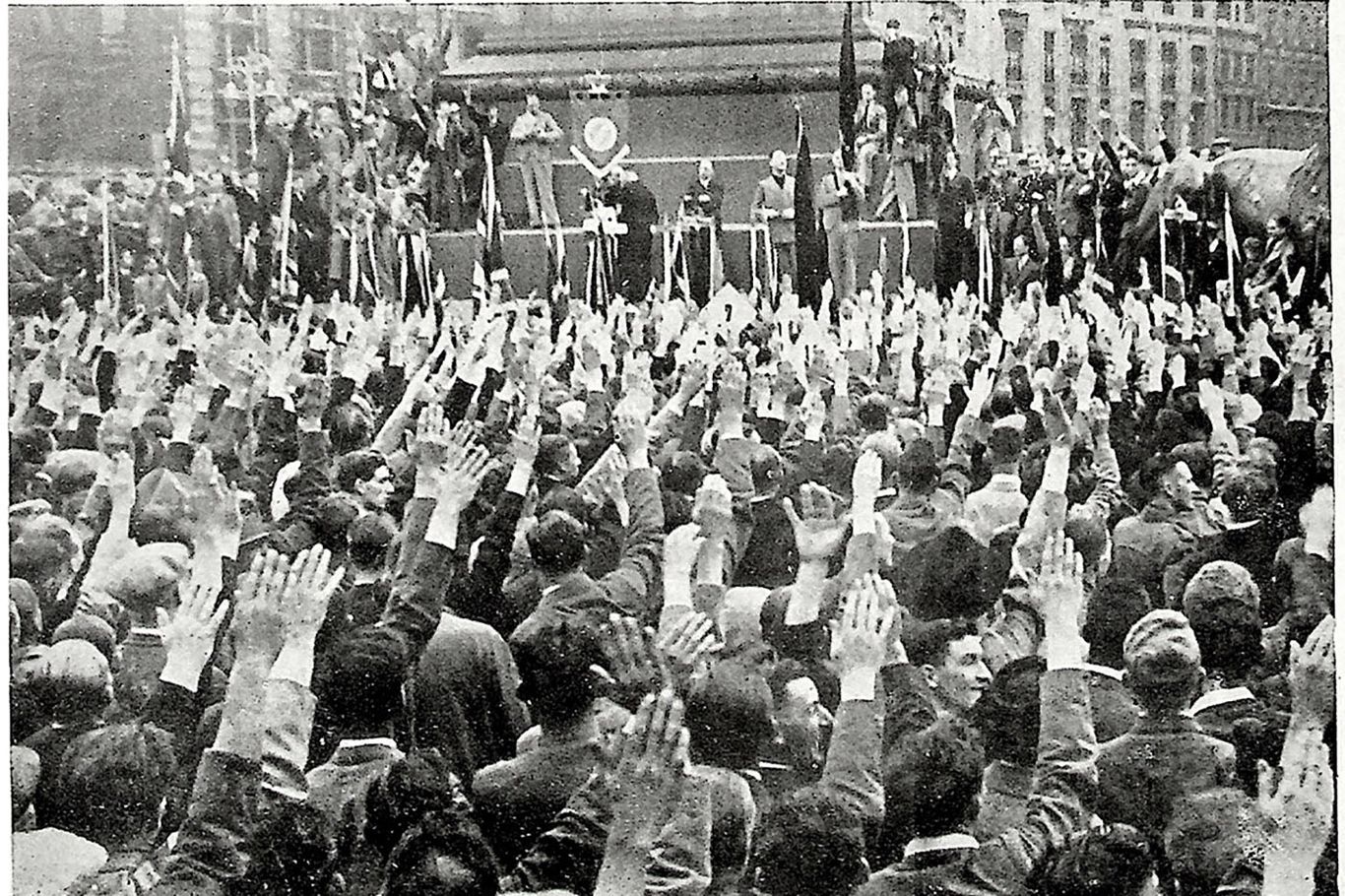
Fascists in different countries also recognised one another and formed alliances. Mosley married in Nazi Germany, although his original inspiration had been Mussolini’s Italy. Nazi Europe’s so-called New European Order brought together very different fascist movements and leaders in the Netherlands, Norway and Hungary. Hungarian fascism was very different from Norwegian fascism, but they shared common enemies: communism, the Soviet Union, liberalism and democracy. They all believed that history was moving from an age of democracy into an age of fascism.
My model became predictive. When I edited an anthology of fascist texts and employed translators for languages I did not understand, I asked them to look for words such as “rebirth”, “regeneration”, “renewal” and “decadence”. The words were there, again and again.
Elements of this approach could already be found in the work of major scholars such as George Mosse, Stanley Payne, Zeev Sternhell and Emilio Gentile, but nobody had turned them into a single compact theory. I decided to make it the subject of my doctorate and use the doctoral format to show that the model worked.
You also asked about methodology: how do you move from many theories to one? There is no such thing as a true definition. Max Weber, who was deeply troubled by the problem of definitions, helped me here. How do you define capitalism or feudalism when every expert has a different model? Weber concluded that there is no true definition, but there can be a heuristically useful one — a definition that helps us make sense of a phenomenon.
I have never claimed to have found the true definition. I found a useful way — especially for a non-Marxist — of approaching the subject. So when we ask whether Putin is a fascist, the first thing we must acknowledge is that “fascism” is a problematic term. If you simply want to express anger, hatred or disgust, “fascist” is a wonderful word. You can even call a traffic warden who has just given you a parking ticket a fascist.
— If we nevertheless tried to draw up a simple list of the characteristics of a fascist state, what would be on it?
— This is precisely the difference between my definition and most of the definitions that came before it. Take Umberto Eco’s famous essay “Ur-Fascism”, or “Eternal Fascism”. Eco is much more famous than I am, and his definition is probably more famous than mine. But he does something I find intellectually empty: he creates a shopping list.
In Eco’s account, a fascist regime is male-chauvinist and dictatorial, uses propaganda, and possesses a whole series of other traits. The problem is that every item on his list can be found in non-fascist regimes: in nineteenth-century British imperialism, in various autocracies or in North Korea. None of those characteristics is unique to Nazism or Italian Fascism.
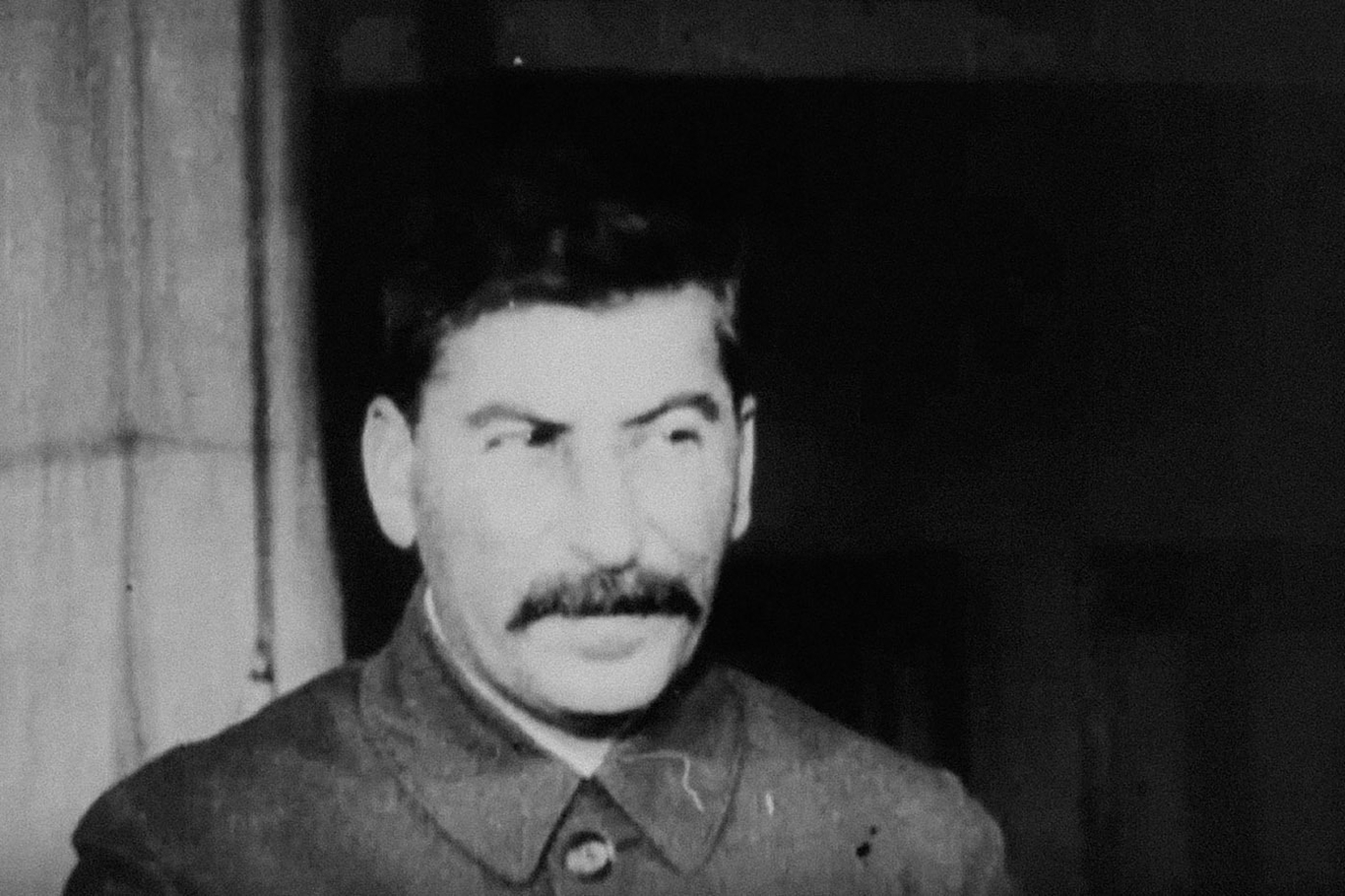
Suppose you say that fascism requires a charismatic leader. Stalin was also a charismatic leader; he used propaganda and militarised society. Why, then, was Stalinist Russia not fascist? And if Nazism and Stalinism were both forms of fascism, was the war between them a civil war within fascism? Some people would say yes. But the question for me is one of heuristic value: how useful is this shopping list? I think it is completely useless.
Secret police and state terror do not, in themselves, define fascism. The Gestapo, the Romanian Securitate and the KGB served different regimes but used similar mechanisms of control: repression, torture, camps and the destruction of opposition. Those are features of authoritarian or totalitarian states, not of fascist ideology alone.
The same is true of paramilitary organisations. Many definitions assume fascists must have Blackshirts, the SA or the SS. But you can only create a mass paramilitary organisation if you have hundreds of thousands of supporters. What does a fascist do after the Second World War, sitting in a London basement with almost no followers? He cannot form a uniformed army, so he may blow something up and become a terrorist. But terrorism does not therefore become the essence of fascism.
When ISIS created a state in parts of Iraq and Syria, it had its own equivalent of the Gestapo. It used torture and propaganda and treated women terribly. A checklist of external characteristics would produce many apparent similarities with fascism.
But if every totalitarian Islamist movement is also declared fascist, the word “fascism” ceases to mean anything.
So I am not going to give you a set of external characteristics. Most of them describe an authoritarian or totalitarian state that may emerge when fascists impose their rule, but they do not explain what fascism itself is.
The key to my approach is to look at ideology. There is no single fascist method or route to power. Mussolini attempted the March on Rome in 1922; Hitler launched the failed Beer Hall Putsch in 1923. Ultimately, both used legal institutions in order to destroy democracy. [Russian ultra-conservative philosopher and ideologist] Alexander Dugin, whom I regard as basically fascist, believes that a cultural revolution must precede a political revolution. He takes that idea — that cultural hegemony comes before political hegemony — from Alain de Benoist, who in turn drew on the Marxist Antonio Gramsci. So fascists do not even share one tactic, route or method.
If you ask me what fascism is, it is not a set of characteristics. It is an ideology. If you make jam, you start with a large amount of fruit and boil it down into a small jar. If you boil down all the fascist literature, propaganda, speeches, plays and architecture, four ideas remain.
- 1.There was once a great people — Russians, Germans, Norwegians, Vikings or Aryans. They had a golden age, even if it existed only in a mythical past.
- 2.That people has fallen into decline. It is decadent, disintegrating, being overwhelmed or made “racially impure”.
- 3.The people can become great again.
- 4.This requires a revolution. It cannot be achieved within liberal democracy or communism, or without a state. The state must be taken over — democratically or through violence — and used to create a new order.
The purpose of that new order is not simply to give power to the leader. Fascism seeks to create a new type of human being, regenerated with the eternal qualities of the people. A genuine Russian fascist would believe in a Russian essence that has been lost and must be revived. An elite that understands this vision creates new structures and mass organisations to produce the new Russian. In Italy, this was the homo fascista, the “fascist man”, an idea rather similar to the communist homo sovieticus. The aim of this anthropological revolution is to create a new human being through culture, education and a new generation.
But I see no evidence that Putin wants to create a mass-mobilised population of new Russians. He wants to suppress mobilisation, not increase it, because he is frightened that it would threaten his power.
Of course, he uses propaganda and myths of Russianness, along with a hodgepodge of fragments from the Soviet Union, Russia’s past, Slavism, Dugin and Eurasianism. But there is no coherent vision of creating a new Russian people.
— Yet contemporary Russia exhibits many features associated with fascism. Dugin considers himself a supporter of Putin and argues that the president is gradually putting his ideas into practice. Putin himself has shown an interest in Ivan Ilyin, a far-right thinker who sympathised with Hitler for a time and proposed his own model of a Russian nation-state. Russian propaganda constantly speaks of the country “rising from its knees” and contrasts Russia with a decaying West. Why is that not enough?
— Three Russia specialists whose work gives me confidence in this position are Marlene Laruelle, who wrote Is Russia Fascist?; Anton Shekhovtsov, who has studied Putin’s ideology, Dugin and Russian far-right networks in great depth; and Andreas Umland, a German, Russian-speaking scholar who has done a great deal of work in Kyiv.
Nobody disputes that Putin is aware of Dugin and Eurasianism, or that right-wing ideas form part of the complicated mixture we might call his worldview. But there is a fundamental difference between Putin on the one hand and Hitler or Mussolini on the other.
If you look at the young Mussolini, you can trace a revolutionary searching for a revolution. He began on the left and moved to the right, but from the beginning he was desperate to create a new Italy, and his vision centred on the Italian people. Hitler was obsessed with the Volk from an early stage. He was a racist and an antisemite even before the First World War, and after Germany’s defeat he saw the country as a people subjected to humiliation and racial decay.
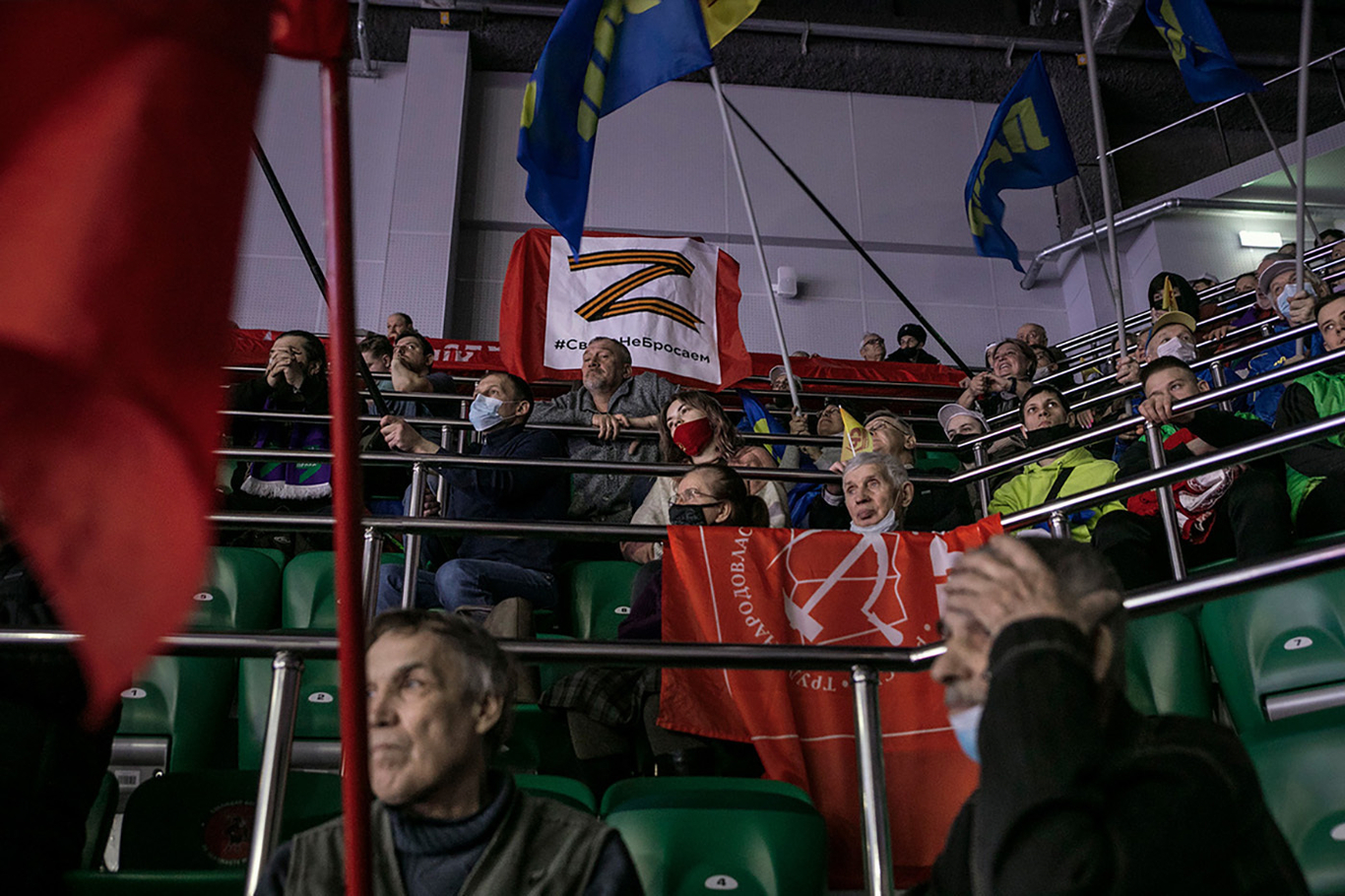
Looking at Putin’s evolution as a political animal, I see no equivalent obsession with a reborn people. He moved almost seamlessly from the KGB and the Soviet system, through the chaotic democratic period, into an obsession with restoring Russian state power and making it independent of the West. He feeds ideas from fascism into his worldview, but I do not see him as a fascist.
Hitler and Mussolini based their power on mobilising the population through new organisations and a coherent ideology of the uniqueness of their people. They attracted artists, thinkers, architects and educators who were drawn to the vision of revolution. Something similar happened in the early years of the Russian Revolution, when the revolutionary state attracted creative energy.
I do not see that under Putin. He is deeply suspicious of genuinely creative people. He suppresses thought and creativity because he fears their openness. So the crucial question for a scholar is not whether Putin knows Dugin’s ideas, but how far those ideas genuinely shape his decisions.
It is easy to exaggerate Dugin’s influence on Putin. There is a world of difference between Dugin’s intellectual construction and the Kremlin’s political practice. Putin is not trying to revolutionise Russian society. His more immediate concerns are preserving power, confronting the West and weakening Western influence.
I think of Fight Club and Project Mayhem, a nihilistic terrorist organisation that seeks to destroy the existing order. The Nietzschean concept of ressentiment is also relevant: the politics of someone who feels humiliated and less powerful and therefore tries to destroy a stronger rival.
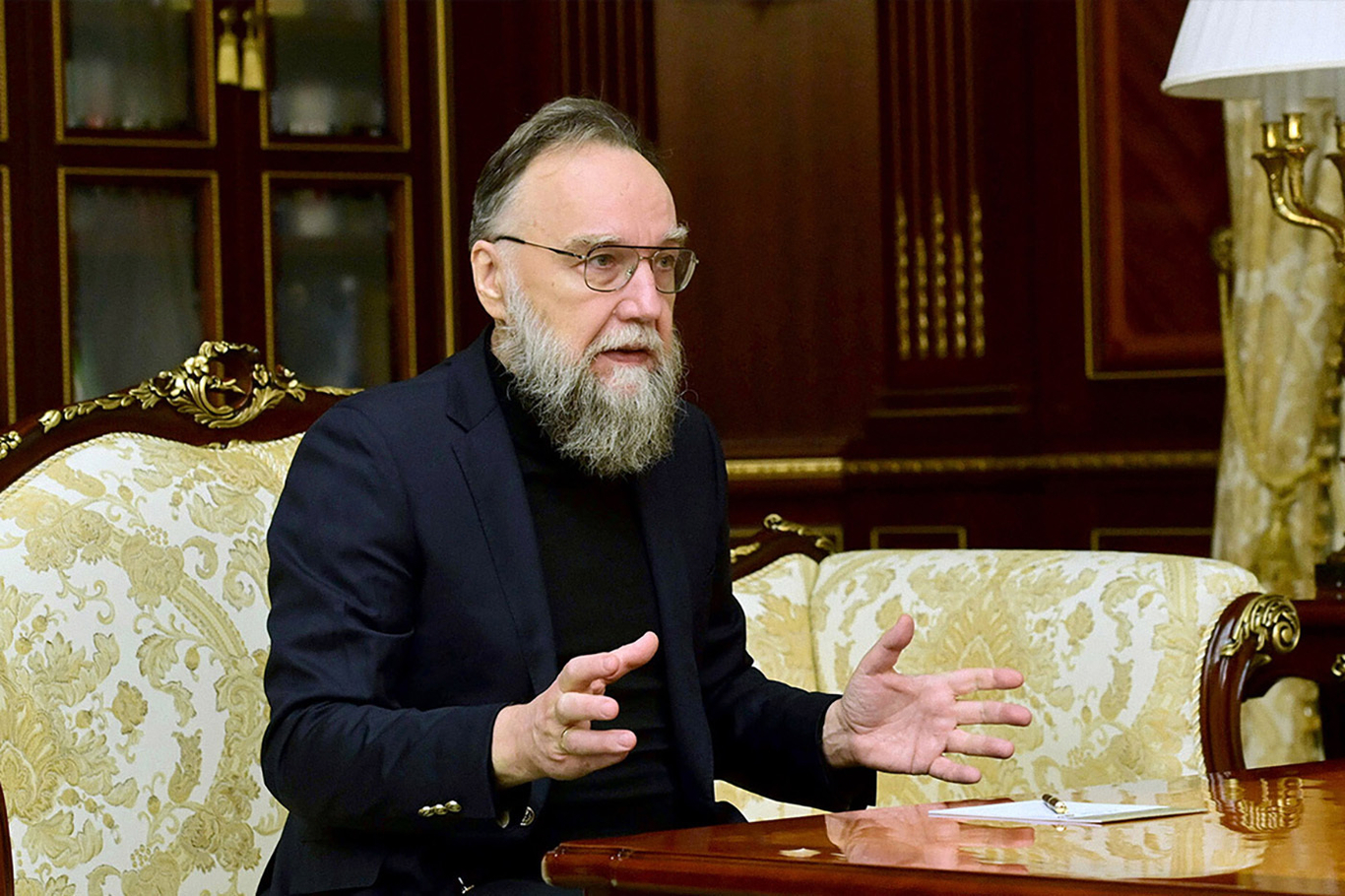
I see two major forces driving Putin: resentment of the West’s power and a sense of anger and humiliation over the collapse of the Soviet empire. I also see a desperate attempt to destroy the coherence of the West. But I do not see a coherent plan to create a reborn Russia.
Putin has elements of fascism in his ideology, but he is not an ideological animal. He remains much more of a KGB practitioner of state power. Like many people who wield state power, he fears the people. Pathological state power is deeply suspicious of mobilised populations. Putin’s drive is to demobilise Russia rather than mobilise it.
— But Putin now has to mobilise the population for a war in which he has become trapped. Does that mobilisation not bring the regime closer to fascism?
— There is a major difference between mobilising the population to support a war and fascist mass mobilisation aimed at creating a new society.
Anton Shekhovtsov has examined in detail how modern Russian propaganda invokes the Red Army, the Great Patriotic War and other symbols of the past to mobilise support for the current war. But for Hitler and Mussolini, war was not an end in itself.
Mussolini was reluctant to enter a major European war; Hitler had to drag him into it. He wanted more limited conquests: the Adriatic, Albania and Ethiopia. Hitler genuinely wanted a major war. He wanted to destroy the Soviet Union as a communist force, enslave much of Europe and create a German empire. But even for him, war was not the ultimate purpose. It was a means of creating an imperial base for a reborn German people.
From a fascist point of view, Putin’s war has almost become an end in itself. It does not appear to be part of a coherent, step-by-step policy towards a new Russia or a new Russian. Putin is too ideologically fragmented and not enough of an ideological animal.
The First World War had an enormous influence on the original leaders of fascism. Hitler was a corporal who saw people dying for Germany in the trenches and tried to use that mobilised energy. The Italian Fasci di combattimento, from which Mussolini’s fascism emerged, were leagues of war veterans. Hitler and Mussolini entered politics not through the experience of running a state, but through ideas of the people, patriotism and sacrifice.
Putin experienced a different trauma: the collapse of the Soviet state to which he had devoted his life. He carried Soviet state patriotism, state energy, state power and state terror into his presidency, but without a fascist blueprint for a new Russia.
This is, of course, an interpretation. But as Marlene Laruelle has also argued, if we become too obsessed with “Putin’s fascism”, we get lost in abstractions and definitions. The same applies to the debate over whether Trump is a fascist. Ultimately, I do not care. An obsession with taxonomy — with what we call these people — takes attention away from who they are and what they do. Labels should help us see more. Once they begin to block our vision, they become counterproductive.
I do not care what you call Putin or Trump. I care about the moral evil they inflict on people and history, in very different political systems and in very different ways. I would put Netanyahu in that category as well. Once leaders turn their countries into rogue states, move beyond the control of the international community, and use power to tyrannise, kill, bomb, cut off aid, destroy rainforests or inflame religious divisions, we should be worried about what is happening to the world.
— Why are people still so fascinated by fascism? For a century, it has remained one of the most intensely discussed subjects among scholars, politicians and fascism’s own supporters. At the same time, the word is used constantly in everyday life, usually to describe a bad person or simply someone with whom we disagree.
— As the saying goes, if fascism did not exist, somebody would have to invent it. Perhaps the modern mind needs a word that evokes horror without specifying exactly what that horror is.
If you say “terrorism”, you imagine somebody blowing something up. If you say “Marxism”, you understand that somebody is trying to create a socialist society. “Fascism” evokes horror while remaining undefined. It is like a locked cupboard whose door you are afraid to open.
Inside it is the whole of the Second World War: Auschwitz, bombing, torment, destruction and shattered lives. It also contains the post-war history of neo-fascists and neo-Nazis. The word embodies the human evil that can be generated by ideals. Mussolini and Hitler were idealists. They genuinely wanted to create a wonderful world for Italians or Germans. I do not know how far Putin is an idealist.
What people sense in the word “fascist” is somebody who has power, perhaps to perform a useful function, but steps beyond its limits. A traffic warden is needed to prevent chaotic parking. But if he sees you running towards your car and deliberately puts the ticket on the windscreen anyway, he has moved beyond his legitimate social function. He has entered a grey zone of power in which terrible things can happen.
We try to live in a controlled world: we have families, go shopping, form relationships and attend parties. But surrounding that normality is always the possibility of catastrophe. You can be kidnapped, your daughter can disappear, your car can crash, your house can be bombed. And it is not simply a natural disaster: somewhere there is a person whose deliberate action can destroy your life.
We need a word for that general threat. “Psychotic” and “pathological” are technical terms that diagnose a state of mind. “Fascist” has a beautiful indefinability — a creative ambiguity.
Communists even used it against one another. German communists called social democrats “social fascists”. Fascism is like Room 101 in George Orwell’s 1984: the place where each person encounters their worst nightmare.
When you call a traffic warden a fascist, you turn him from a human being with a family and a favourite café into the embodiment of impersonal evil. You remove him from the human world.
If Trump’s opponents call him an illiberal democrat or a right-wing populist, that may be technically accurate, but it has no cathartic value. Nobody shouts, “You bloody right-wing populist!” It does not work as an insult. “Fascist” both excludes somebody from the acceptable world and suggests that he possesses excessive, unaccountable and dangerous power.
So when people call Putin, Trump, Modi or Musk “bloody fascists”, they are not making a meaningless noise. The power of the word lies precisely in its lack of definition. It places a hated person in the category of those who use power in an inhuman way and threaten our world.
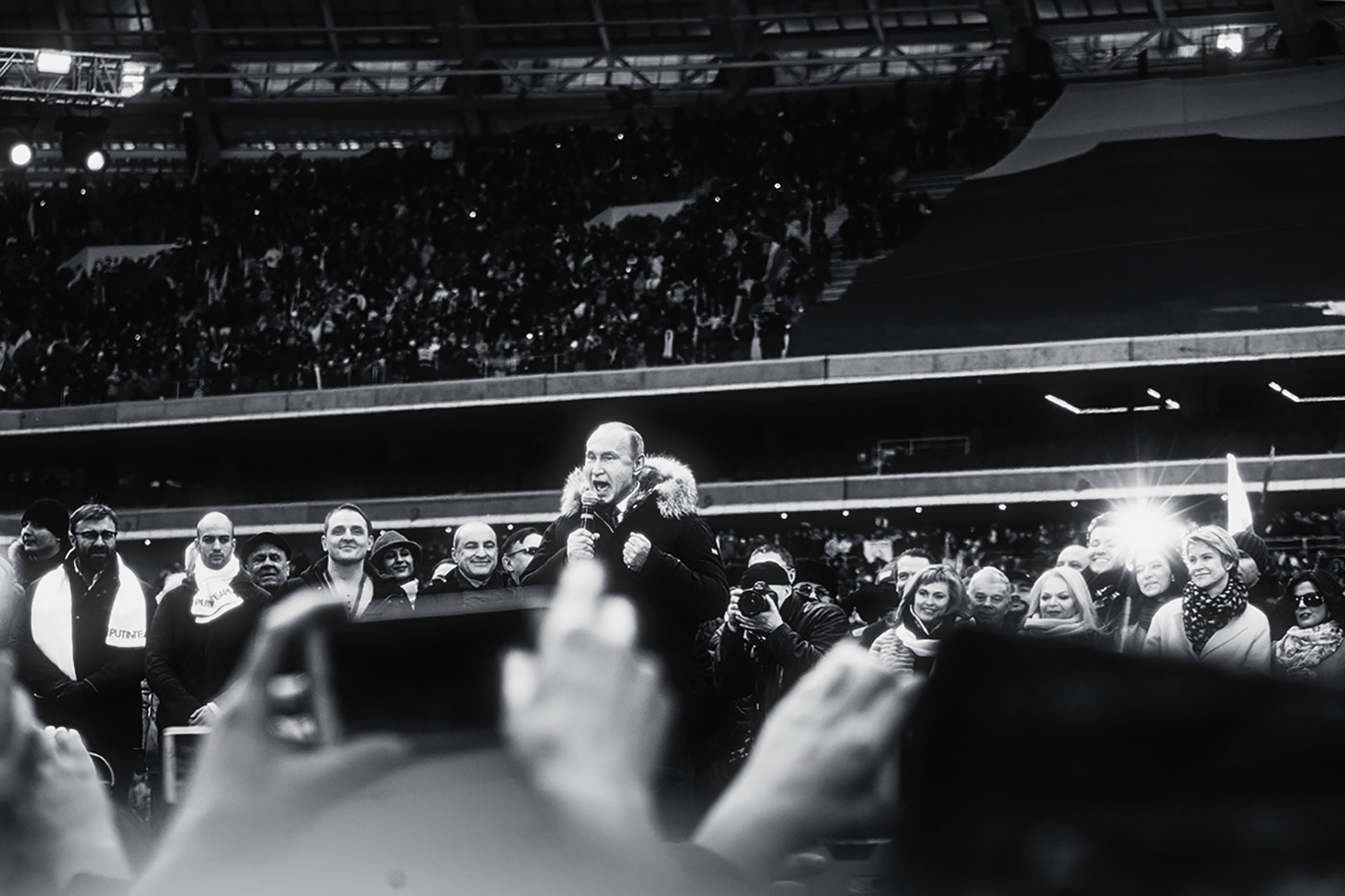
I do not know what we would do without the word. Perhaps, without historical fascism and the Second World War, there would be an inarticulate blank where it now stands. In every European language I know, it has become both a technical term and an emotional accusation.
We still have not digested the horrors of the Second World War in our collective memory: Stalingrad, Nazi crimes, Auschwitz, persecution and the sheer scale of the destruction. What makes it even more terrifying is that Germany was not a backward or primitive country. It was one of the most educated, modern and culturally developed societies in the world. Nazism revealed the dark side of modernity: progress can lead not only to liberation, but to catastrophe.
That is why the word “fascism” remains multivalent, ambiguous and annihilating at the same time. Perhaps, as religion has weakened, it has taken the place of Satan: a secular category of evil that we need in order to make sense of the world.
— By your definition, who are the real fascists today?
— Neo-Nazis. There is also an enormous digital environment of fascism. Hundreds of thousands of young people consume it as a social-media phenomenon: they watch videos and immerse themselves in images of concentration camps, the Gestapo, death squads and mass violence.
British law enforcement uncovers several fascist terrorist plots each year and finds people with stores of weapons. These are the people I would call the real fascists today: terrorists inspired by neo-Nazis such as William Pierce and his novel The Turner Diaries, or by James Mason’s Siege.
There is also accelerationism: the belief that the more chaos its supporters create in society, the sooner democracy will collapse and fascism will take over. But these groups are marginal compared with populism, racism, Putinism, Trumpism and the other real threats to humanity.
Real fascists should be found and exposed. If they possess weapons, carry out attacks, kill Jews or attack synagogues, Black people or gay people, they should be put in prison. But the total number of people killed by fascists since 1945 is tiny compared with the victims of state terror and state wars.
People are obsessed with non-state terrorism and barely notice state terror. States become rogue states and begin killing their own people or the populations of other countries, while the United Nations is impotent. This is much more frightening than the activities of small neo-Nazi groups.
Today’s fascists are almost like museum pieces. Occasionally, one of them commits a spectacular atrocity, as Anders Breivik did when he murdered 77 people. But compare that with state wars, the destruction of entire infrastructures, tens of thousands of dead civilians, or the withdrawal of American aid on which millions of people depend. Those decisions are made by democratically elected politicians.
I am much more frightened by the perversion of democratic politics than by fascism. My name is associated with the study of fascism, but I am no longer particularly interested in it. People keep asking me to talk about it, like a singer forced to perform a hit he wrote forty or fifty years ago. But I have new songs now. My new song is about the dangers of populism, not the dangers of fascism.
Fascism is not dead, but it is almost irrelevant compared with the new threats facing humanity.