Telegram is the new gas station
Russia’s fuel crisis has spawned a grey market for diesel and gasoline. Authorities are struggling to combat it.

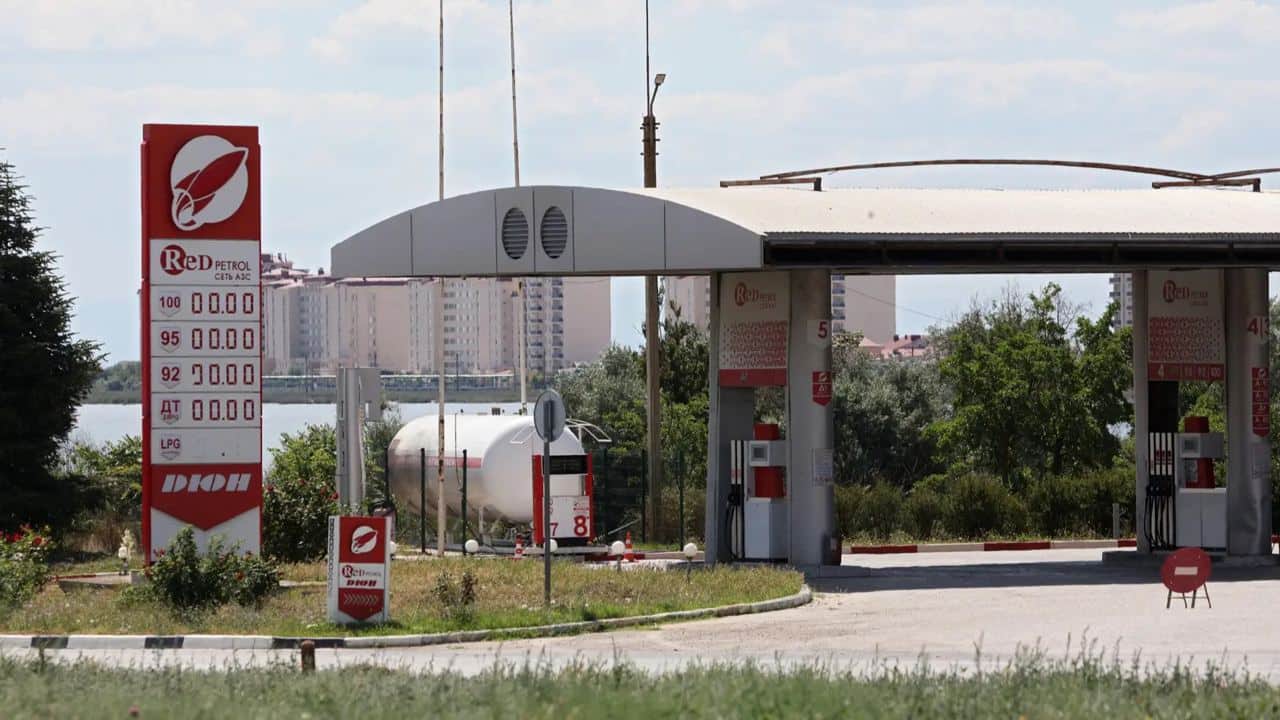

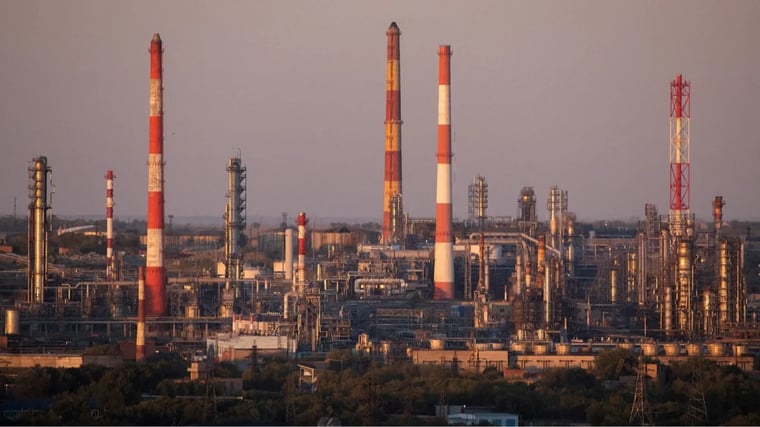
Amid Russia's deepening fuel crisis — sparked by Ukraine's systematic campaign of drone strikes on Russian oil refineries — a growing number of Russian regions are imposing restrictions on sales of diesel and gasoline. Against this backdrop, an alternative fuel market is emerging across Russia and occupied Ukraine in which gasoline is being sold via Telegram. Novaya Gazeta Europe explores how this system works.
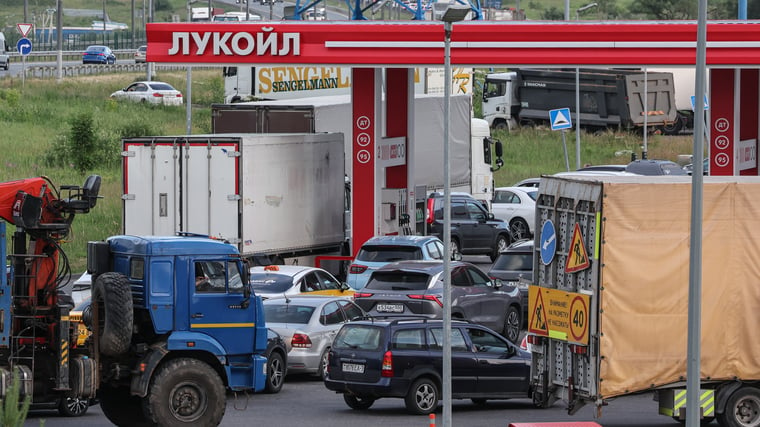
Use of the Telegram grey market for gasoline has become most widespread in Crimea, where the fuel crisis is more dire than in any other occupied territory or Russian region. Since 21 June, gas stations on the peninsula have stopped selling fuel entirely; only military personnel and government employees can use them. Fuel can't even be bought with fuel cards or vouchers, the resale of which had proliferated in recent weeks.
At the same time, authorities have raised the limit on gasoline that can be carried across the Crimean Bridge to 200 litres; previously, for safety reasons, only up to 100 litres of liquid per vehicle was allowed. Fuel trucks and large tankers are not permitted to cross the bridge at all.
Local drivers can find plenty of offers to buy gasoline on Telegram. Almost all sellers demand full or partial prepayment.
Gasoline, impossible to get at the pump, is now being delivered straight to people's cars. Some sellers specify that delivery will be made by taxi and promise it within four hours. One seller offered buyers self-pickup “from the mainland” — specifically from Slavyansk-on-Kuban, home to the Slavyansk ECO oil refinery, which itself is regularly targeted by Ukrainian drone strikes.
Gasoline sellers in Crimea conceal their identities. Novaya Gazeta Europe was unable to verify the identity of a single person its correspondent contacted. In at least some of the reviews that sellers post in their channels, the accompanying images appear to have been AI-generated.
The retail fuel situation in Moscow remains comparatively stable, though there are reports of lines and purchase limits at some gas station chains. Even so, Novaya Europe found offers to buy gasoline informally in Moscow as well.
Searching “buy gasoline Moscow” led Novaya Europe’s correspondent to a bot that forwarded the request to a private chat with an anonymous contact who agreed to sell and deliver 120 litres of 95-octane gas at 120 rubles (€1.37) per litre, demanding half the payment up front.
Most results for “gasoline Moscow” on Telegram are clearly scam bots that ask users to share the phone number linked to their account and then the code sent to it by SMS — a classic method for hijacking accounts.
One fuel-selling operation in Russia’s internationally recognised territory reportedly works like this: a truck loaded with gasoline leaves Krasnodar region and makes scheduled stops in several cities on the way to Moscow, selling fuel to those who prepaid via Telegram. Novaya Europe found no independent confirmation that buyers actually receive their fuel after paying in advance.
After the first weeks of the crisis, more technologically sophisticated offerings began appearing on Telegram as well. Searching “buy gasoline” on 30 June, Novaya Europe’s correspondent immediately came across a mini-app called Full Canister Exchange — essentially an Uber for gasoline deals. Users can post a request to buy or an offer to sell gasoline anywhere in Russia and use the app to find a match. In the app, buyers are currently offering 150 rubles (€1.69) per litre for 95-octane gas in Crimea, 120 rubles (€1.35) in the Kaliningrad region, and 100 rubles (€1.12) in the Moscow suburbs.
Gasoline on Avito
On 15 June, Russia’s Federal Antimonopoly Service (FAS) announced that the country’s largest online marketplaces were concealing fuel-sale listings. The FAS statement named three platforms: Ozon, Wildberries, and Avito. It noted that on the first two, attempts to create listings for fuel were being blocked during moderation, before ever appearing on the site.
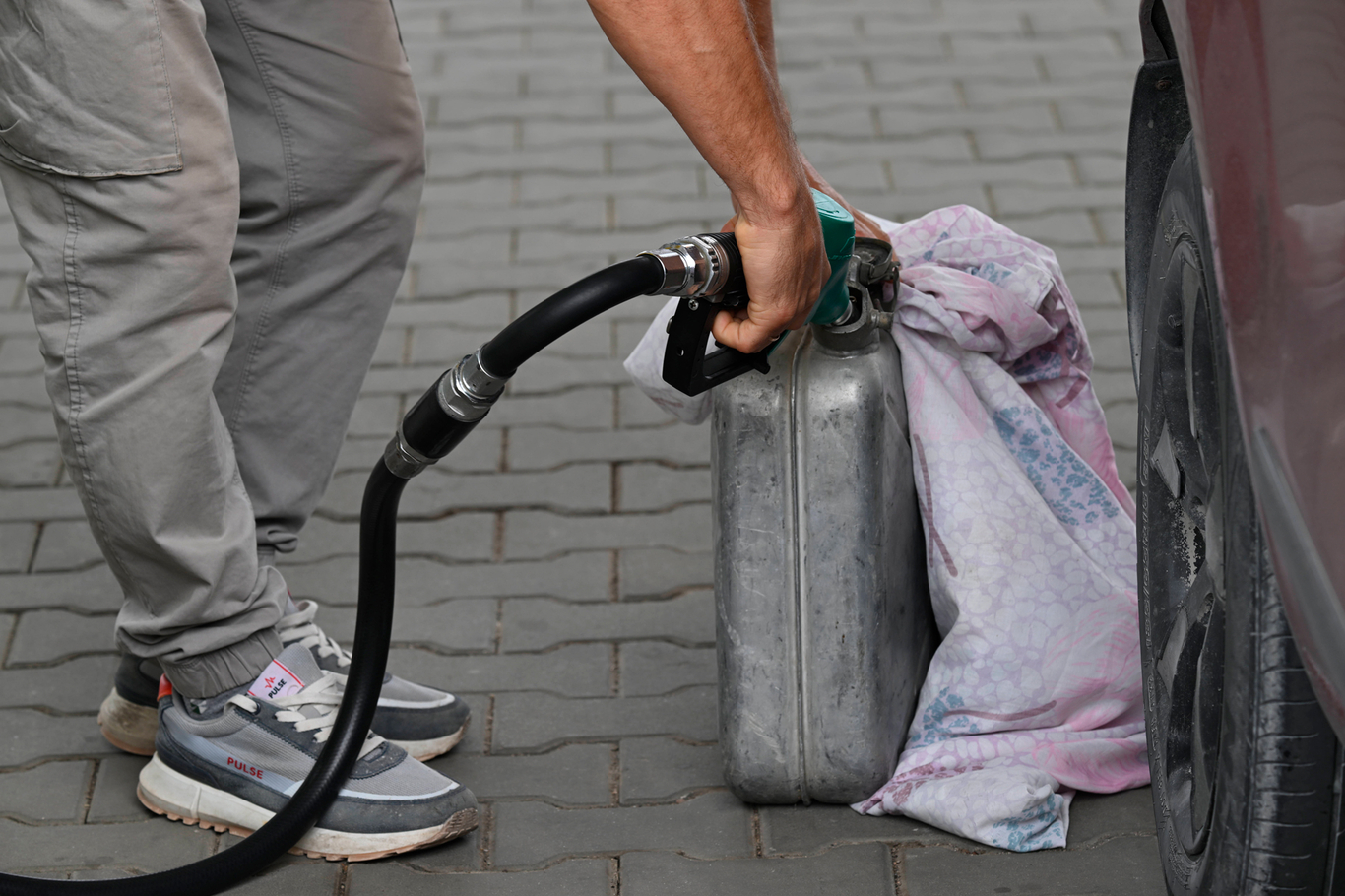
The situation with Avito proved more complicated: on that platform, gasoline listings do pass the automatic filters and get published — but since the FAS announcement, they’ve been swiftly taken down after appearing.
Avito itself told the Telegram channel Podyom that most fuel listings on the platform are old and were posted by specialised fuel companies, meaning they have nothing to do with the current crisis.
That appears to be true. On the morning of 15 June, there genuinely were thousands of listings for gasoline and diesel on Avito. But all the listings Novaya Gazeta Europe managed to find concerned wholesale supplies to businesses from sellers who had been active on the platform long before the current crisis began. Most of the listings that were removed were for diesel, which mainly fuels specialised vehicles.
For example, one of the most popular accounts, “Phoenix Fuel Delivery”, had at least 800 listings as of Monday morning. Now only a handful remain. In a phone call with a Novaya Europe correspondent posing as a farmer from the outer Moscow suburbs, a Phoenix representative said the company doesn’t deal in gasoline at all these days, since wholesale gasoline supply has become unprofitable.
Novaya Europe also found an Avito listing advertising a “trailer of gasoline with contents” from Rostov-on-Don. Posing as a prospective buyer, Novaya Europe’s correspondent contacted the seller and learned that the “trailer” was just a hook to draw attention — what was actually being sold was gasoline already delivered to Crimea, priced at 350 rubles (€3.93) per litre, notably above market rates even by current crisis standards.
Fuel reaches the peninsula either in large batches trucked overland through occupied Ukrainian territories, or through small-scale “shuttle” deliveries across the Crimean Bridge.
In the second half of June, at the height of the fuel crisis, Avito saw a wave of listings for fuel trucks, trailers, and tanks for transporting and storing gasoline in Crimea and other Russian-controlled and internationally recognised Russian territories. These offers appear aimed at people hoping to profit from reselling gasoline down the line.
Meanwhile, the fuel crisis has also spawned some stranger offerings on Avito. Journalist Oleg Kashin flagged a listing posted in mid-June for a Chekan armored vehicle, described by the seller as an “armored gasoline tanker” fitted with a special trailer for transporting flammable liquids.

The crackdown on resellers
Since the fuel crisis began, Russian authorities have been moving on two fronts against those trying to profit from it.
The Federal Antimonopoly Service is keeping an eye on major fuel traders. Early in the crisis, it opened a cartel collusion case against three oil-trading companies, alleging they had jointly bought up all available fuel on the exchange in order to resell it at inflated prices.
Against small-time resellers, authorities are relying on fines to discourage illegal business activity. According to media reports, people reselling gasoline across the country — including through Telegram listings — are being detained. Those detained in Crimea had been selling gasoline at 250 to 300 rubles (€2.80–€3.37) per litre, roughly in line with the prices Novaya Gazeta Europe found advertised on Telegram.