Border closures, air raid sirens and warnings of war
How tensions between Russia and its EU neighbours have intensified in the past week

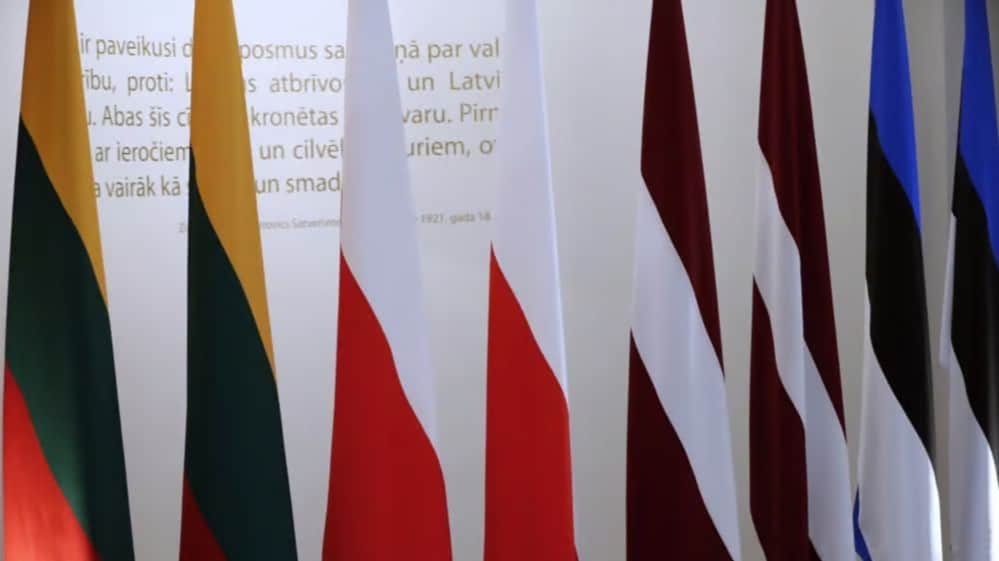
Tensions between Russia and its neighbours Estonia, Latvia, Lithuania and Poland have risen in recent days amid a series of border and airspace incidents. Estonia has announced plans to close all road crossings with Russia, prompting warnings of war from Moscow, while Poland has summoned the Russian ambassador over an alleged incursion by Russian missiles into its airspace. Novaya Gazeta Europe rounds up the key developments.
Estonia
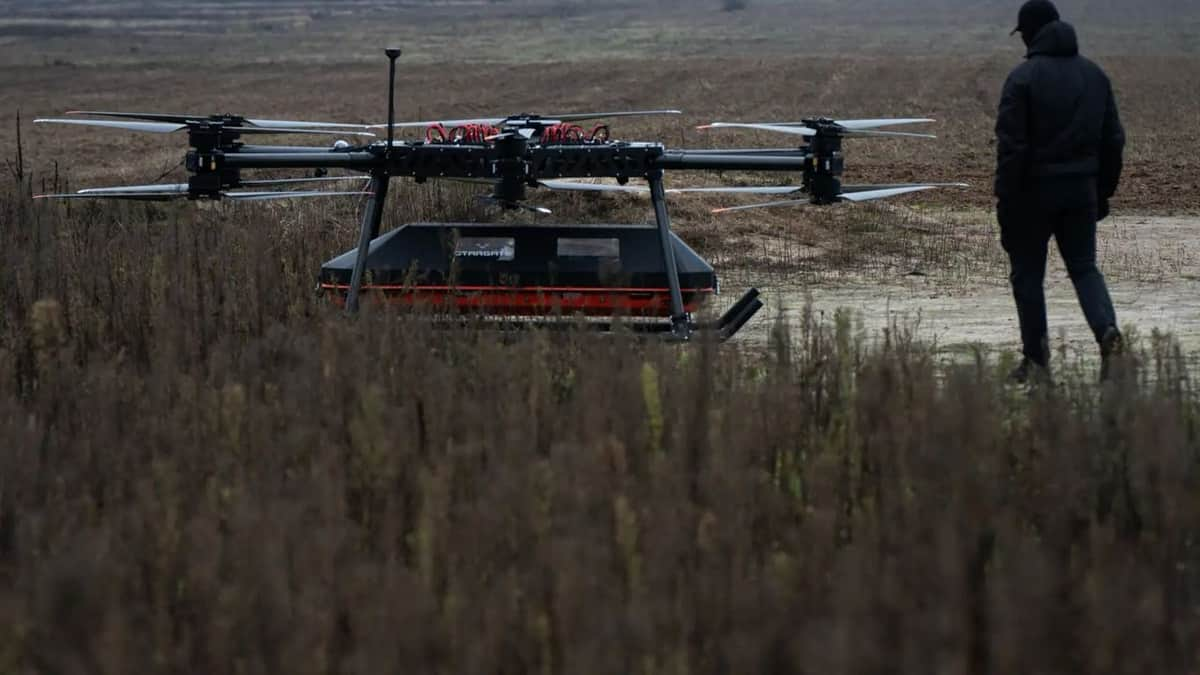
On 20 November, the Estonian government approved closing all road border crossings with Russia beginning 1 December, following an attempted arson attack on a defence plant near Tallinn that makes drones for Ukraine.
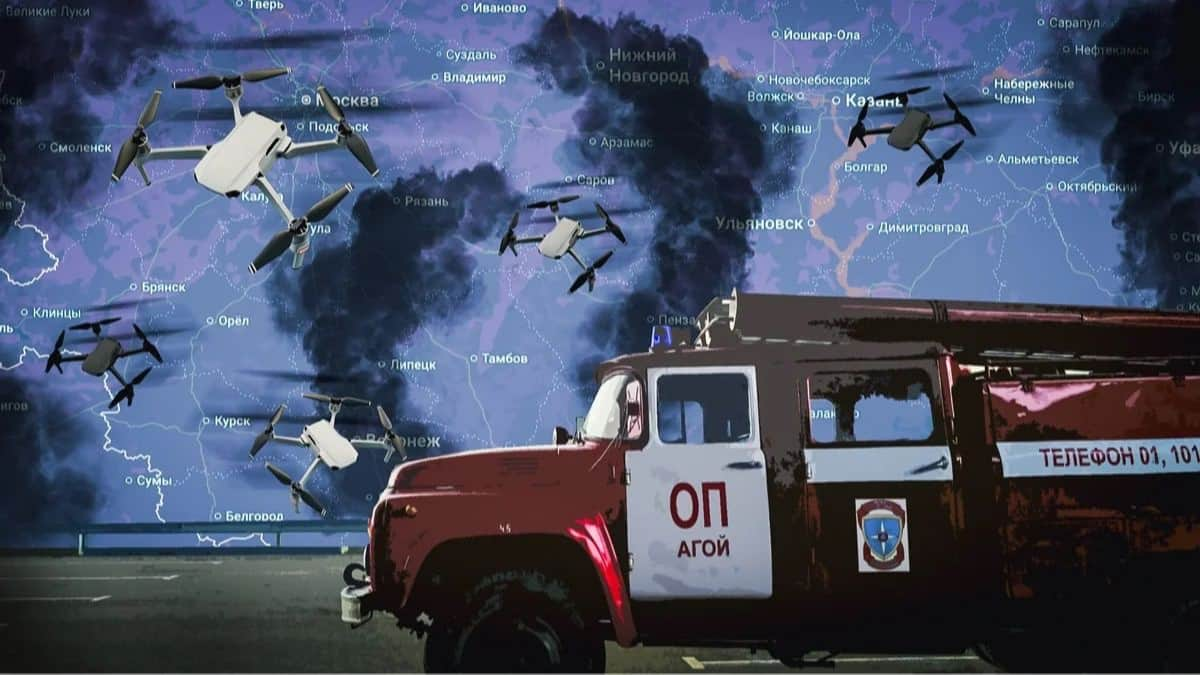
On 23 November, Russia’s Foreign Ministry summoned Estonia’s chargé d'affaires and delivered a “resolute protest” over what it called a “baseless accusation” that Russia was behind the arson, as well as the border closure. The ministry also alleged that Tallinn is letting Ukrainian drones use its airspace to attack northwestern Russia.
“This latest anti-Russian stunt by Estonia adds to the long list of hostile actions the country has taken over the years. […] Such provocative and extremely dangerous actions are on the verge of starting an open war with Russia,” the Russian Foreign Ministry said.
Lithuania
On 16 November, Lithuania’s president said that Estonia’s plan to close its border crossings with Russia was justified and suggested that Vilnius might make a similar decision.
On the evening of 21 November, authorities in Russia’s Kaliningrad exclave said an alert had been declared in the Nemansky district over a “suspicious object coming from Lithuania”. They later said experts had examined the area and found no threat.
In response, Lithuania’s foreign minister said the government had not permitted its airspace to be used for strikes on Russia. He called claims circulating on social media that Lithuania was involved in a drone attack false.
Latvia
Latvian Prime Minister Andris Kulbergs said Tuesday that the country is also considering closing or restricting operations at its border crossings with Russia. He said the government would present a “clear position” by next week.
At the same time, Kulbergs called Estonia’s decision to close all crossings with Russia a mistake, saying such measures should be taken jointly by all three Baltic states. The authorities currently expect traffic at the border to increase.
Poland
On Tuesday, Poland’s foreign ministry summoned the Russian ambassador and handed him a “very sharply worded diplomatic note” over the incursion of three Russian Kh-101 missiles into Polish airspace on 20 November
The ambassador rejected the accusations as “groundless, unsubstantiated and unsupported by evidence”. The Russian embassy said the rhetoric was “openly Russophobic” and was meant to “further stoke anti-Russian sentiment in Poland and deliberately worsen Russian-Polish relations.”
Meanwhile, Poland’s deputy defence minister urged against severing diplomatic ties with Russia. In his view, expelling the ambassador could ultimately lead to war.
Gulf of Finland
On 21 November, drones struck the Russian military vessel Sparta II in the Gulf of Finland. A fire broke out on the cargo ship, and crew members were evacuated to a nearby vessel.
Finnish authorities reported that the strike had occurred in international waters. Ukrainian President Volodymyr Zelensky later confirmed that Ukrainian drones had attacked the ship, but said it had occurred in Russian territorial waters. Germany’s defence minister urged Kyiv not to spread the conflict to the Baltic Sea.