‘They told me to keep quiet and stay out of it’
How Russia’s security services accused a repairman of spying for Ukraine — and drove his family into exile

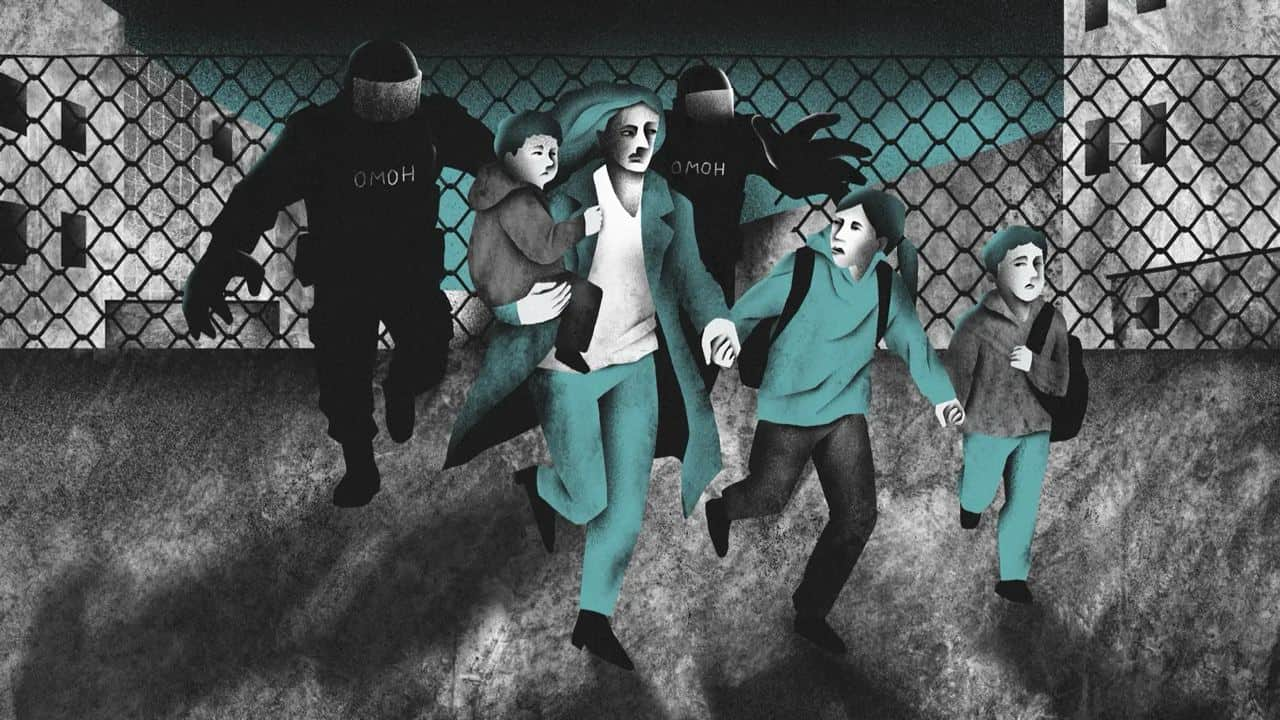

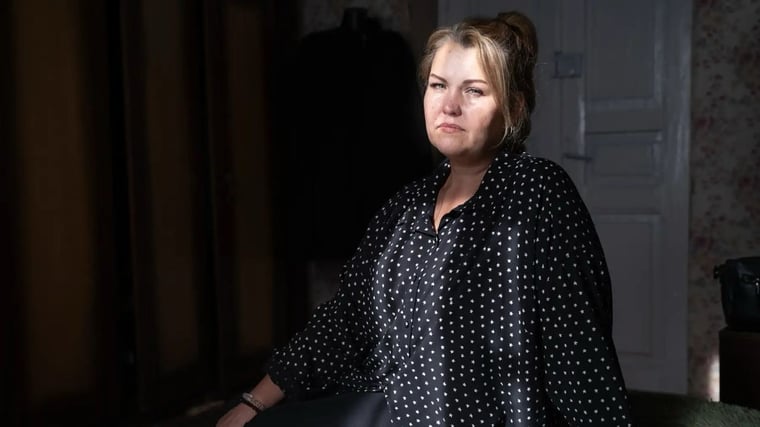
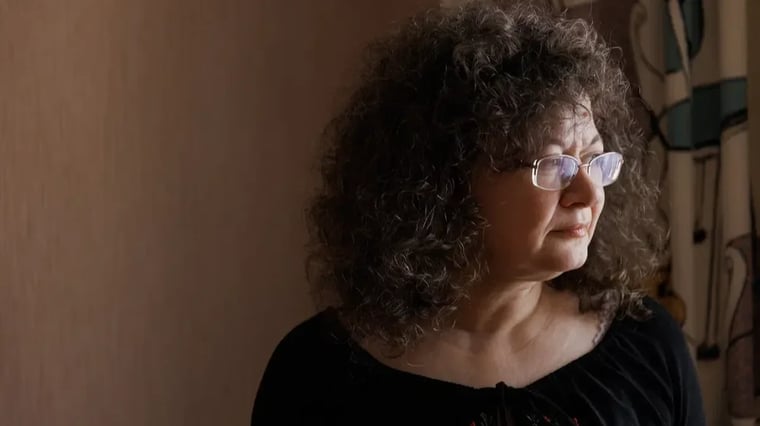
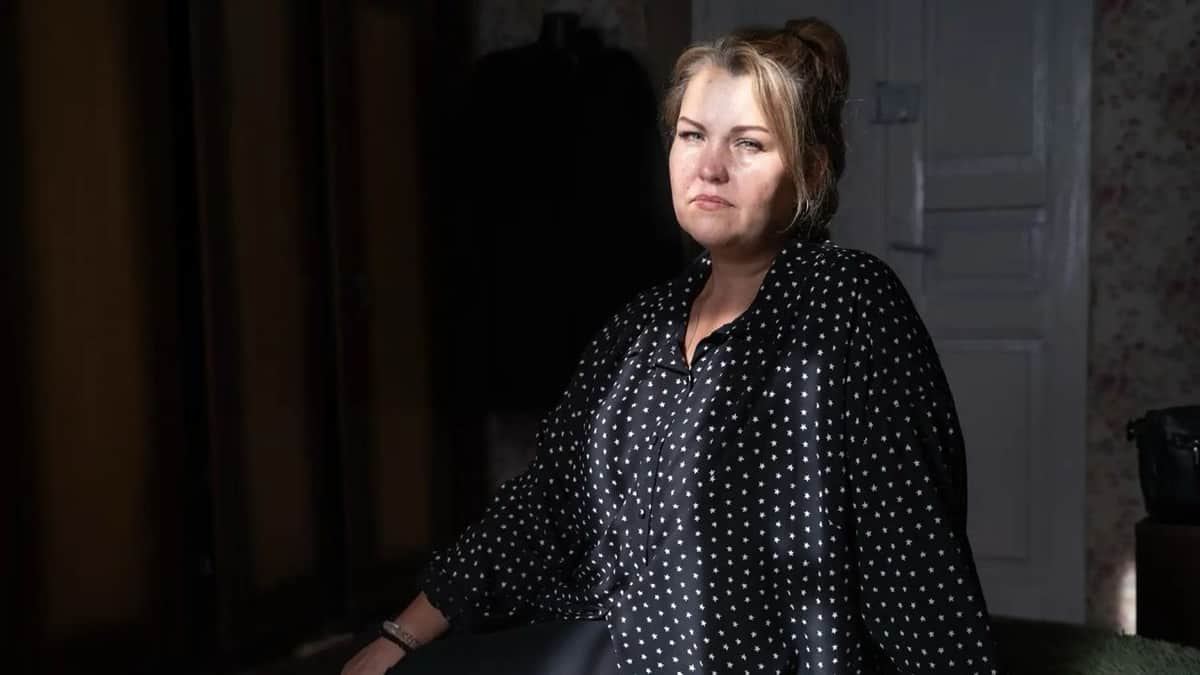
In April 2024, masked Russian security officers handcuffed Yelena Logunova in a school courtyard. The FSB warned her that her children would be taken away from her, while her husband, Sergey Logunov, was accused of spying for Ukraine. He was eventually sentenced to 18 years in prison for treason. During a brief meeting after his sentencing, he told her: “Yelena, you have to leave.”
In Putin’s Russia, an increasing number of families are being torn apart by harsh prison sentences for treason and espionage. After her husband’s arrest, Yelena stayed quiet for two years. Now living outside Russia with her three children, she shared her story with Novaya Gazeta Europe.
‘The students thought terrorists were abducting us’
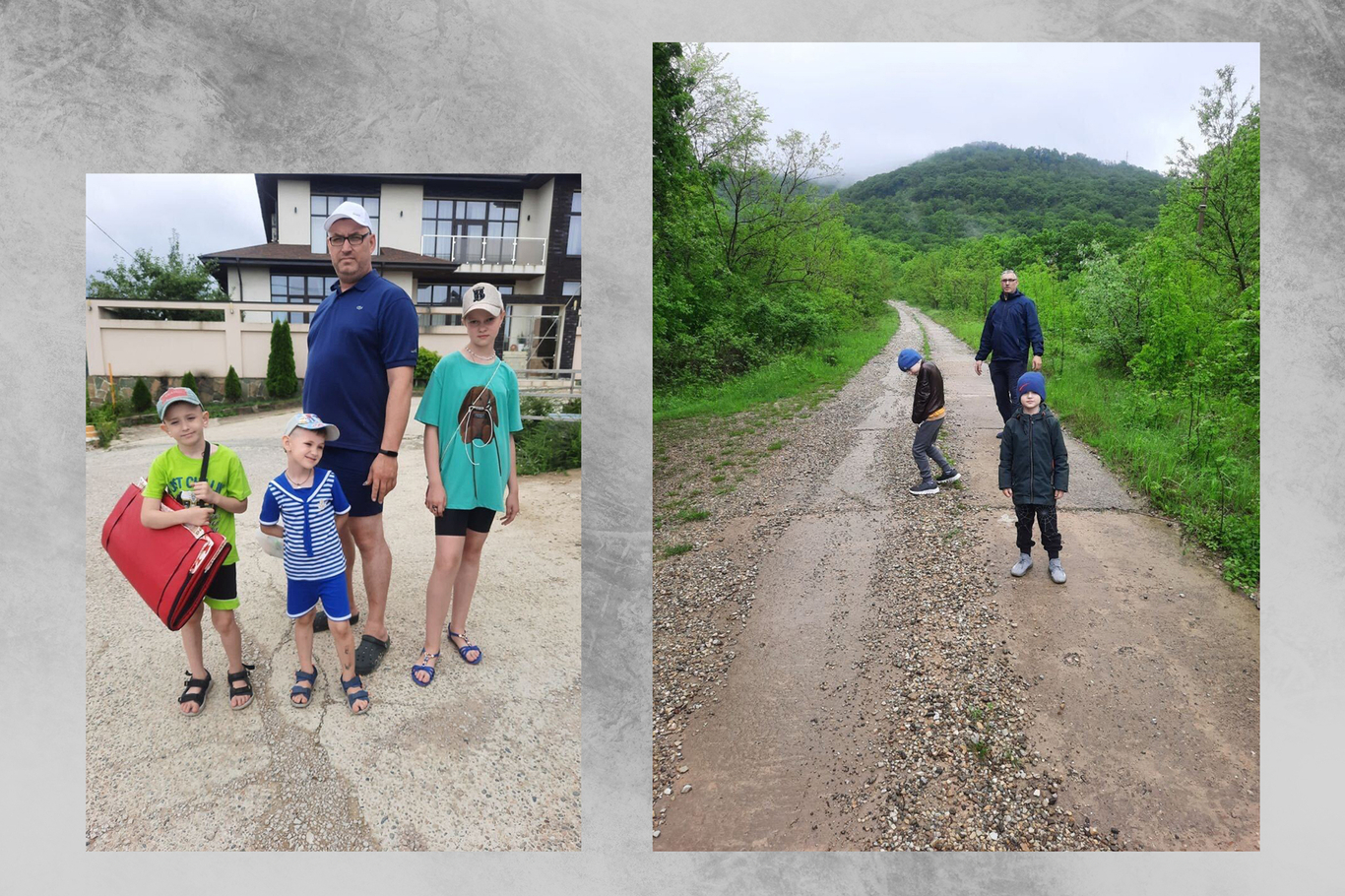
The Logunov family was well known in Lipetsk, a city in central Russia. Yelena Logunova worked at a school and taught speech therapy classes in the evenings. Sergey owned an appliance repair shop, fixing everything from irons to computers. Together, they had three children: Polina, Misha and Andrey. The couple were finishing construction on their house, paying off their debts, and raising their children. They also spoke openly about hating the war.
“I had taken [the students] into the courtyard for a walk,” she continues. “We were strolling along when all of a sudden I saw two people running toward me. I don’t know how to describe them. They looked like ninja turtles, wearing helmets, balaclavas, and bullet-proof vests. They handcuffed me. Then three more dressed in civilian clothes ran up to me. ‘Now you’ll tell us everything, bitch!’ they said. The students were screaming. They thought terrorists were abducting us.”
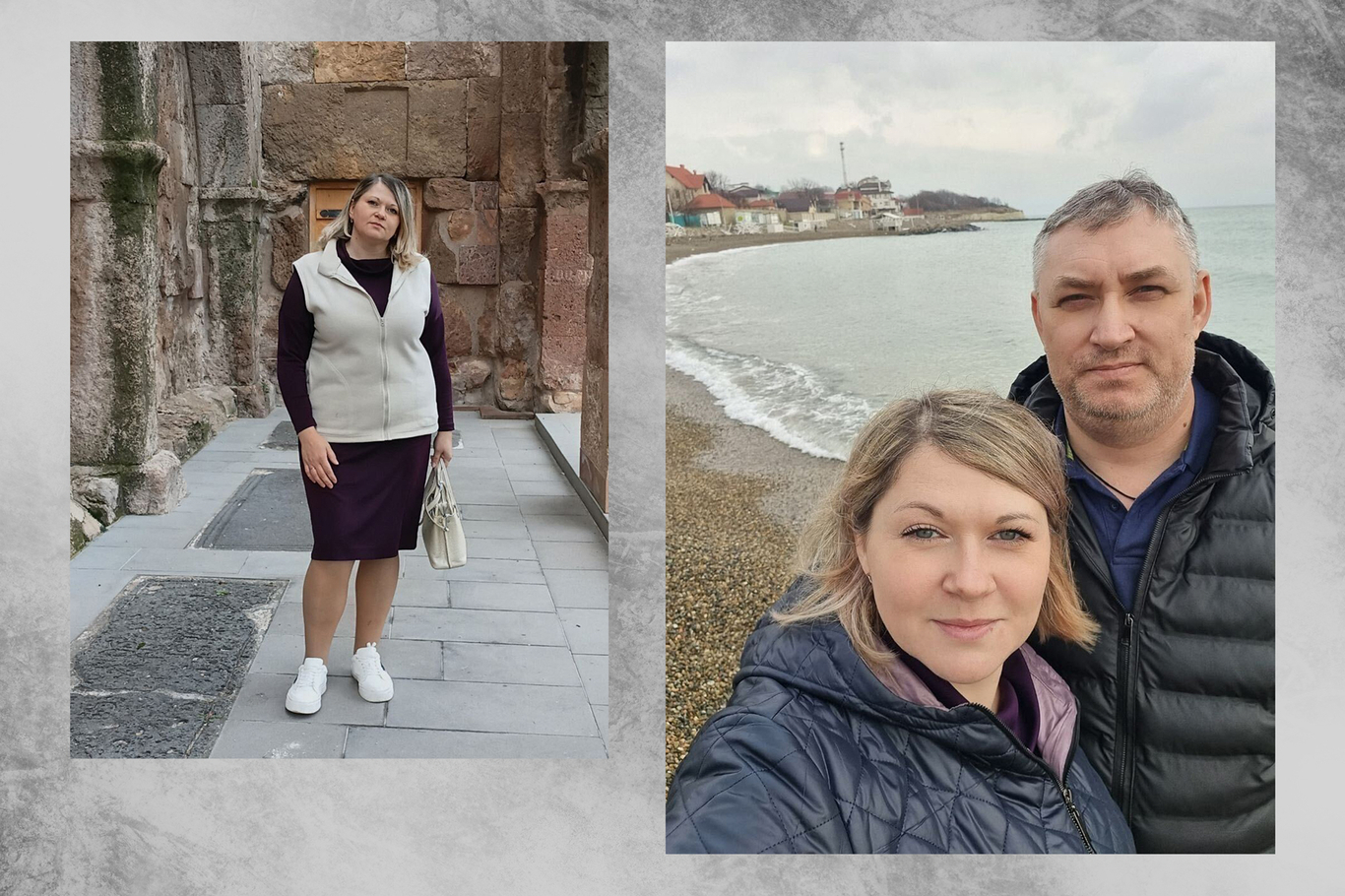
At the station, they questioned her and started threatening her. If she wanted to return home and continue raising her children, she was told to be well-behaved, and avoid speaking with journalists or hiring her own lawyer.
Child services did come for their daughter, Polina, at her school. When Yelena’s mother came to pick her up, the police refused to hand her over. The kindergarten where Sergey had dropped off their sons was also instructed to keep them and wait for further orders. According to Yelena, child protection services arriving simultaneously with the parents’ arrest meant that the FSB had planned a special operation involving pressure and intimidation.
‘There are so many people like us’
“I can’t begin to understand how we ended up on their radar,” says Yelena. “Of course, we never hid our views, speaking openly, including to our friends and acquaintances, about Putin and the war. But there are so many people like us. They don’t lock us all up for 18 years. I spent a long time thinking back to previous years and trying to figure out when they started to focus on us.”
Yelena says she does remember a case in 2023, when the late opposition leader Alexey Navalny was still alive, when she and Sergey went out to the town square after Navalny’s team called for people to gather. “Sergey said, ‘Let’s get out of here. The only people here are the FSB,’” she says. “And we left. Maybe they wrote down our plates and that’s how it began?”
Soon after that, a local police officer and a man in plainclothes had paid them a visit. The officer interviewed them, asking about their family, whether anyone was bothering them, and about their relationships with their neighbours. They didn’t ask any questions about politics. At the time it didn’t seem particularly noteworthy, Yelena says.
“One day, a military pilot in uniform came by the workshop, complaining that his laptop had some issues. Sergey took pictures from different angles to document the problems,” she says. “This, of course, played a role in the criminal case. It looked like he was photographing secret information. But that begs the question: why would a pilot with access to military secrets bring his laptop to an ordinary repair shop? During the investigation, an expert conducted an examination and didn’t find any state secrets.”
Judging by the verdict, the pilot and his laptop were part of a setup. The Lipetsk Regional Court’s verdict stated that Sergey independently decided to examine the laptop, discovered files related to a military airfield, and forwarded his findings to a foreign intelligence agency.
“Accusing Sergey of espionage was easy and convenient. He often drove around town for various jobs, configuring, installing, and repairing equipment. He had a dashcam in his car. This became a key piece of evidence. For example, Sergey drove by the Novolipetsk Metallurgical Plant’s administration building on several occasions. And it’s a strategic facility,” says Yelena.
Back in September 2022, Sergey also joined online anti-war groups and exchanged messages with other members. “It’s possible some of them were Ukrainian,” says Yelena. He also messaged a chatbot called “I Want to Live,” which was launched three days before mobilisation and is aimed at Russian soldiers wishing to voluntarily surrender. The group’s main page clearly states it is run by the Coordination Headquarters for the Treatment of Prisoners of War. This is a government body supported by Ukraine’s Defence Ministry and Main Intelligence Directorate. Any contact with the project could itself become grounds for a criminal charge carrying a lengthy prison sentence.
Besides the dash cam and online anti-war groups, Logunov’s phone billing data also served as proof. Mobile phone records were tracked to the highway between Lipetsk and Rostov between 19 and 21 August 2023. At the same time, a meeting between the commanders of the Vostok Battalion was taking place at a restaurant in Rostov-on-Don. It was attended by Alexander Khodakovsky, a former minister of state security for the self-proclaimed “Donetsk People's Republic”. Sergey’s trip thus became evidence of espionage.
‘If you don’t want to be next, behave yourself’
It wasn’t until after Sergey was sentenced that the couple were finally able to meet and he told Yelena what happened.
At the time of Sergey’s arrest, Russian security services hadn’t yet obtained the necessary documents to send him to pre-trial detention. This meant he was handed an administrative charge and sent to a temporary detention facility for a week. He then briefly disappeared from any legal record system, spending roughly a week in legal purgatory before he was formally charged with treason.
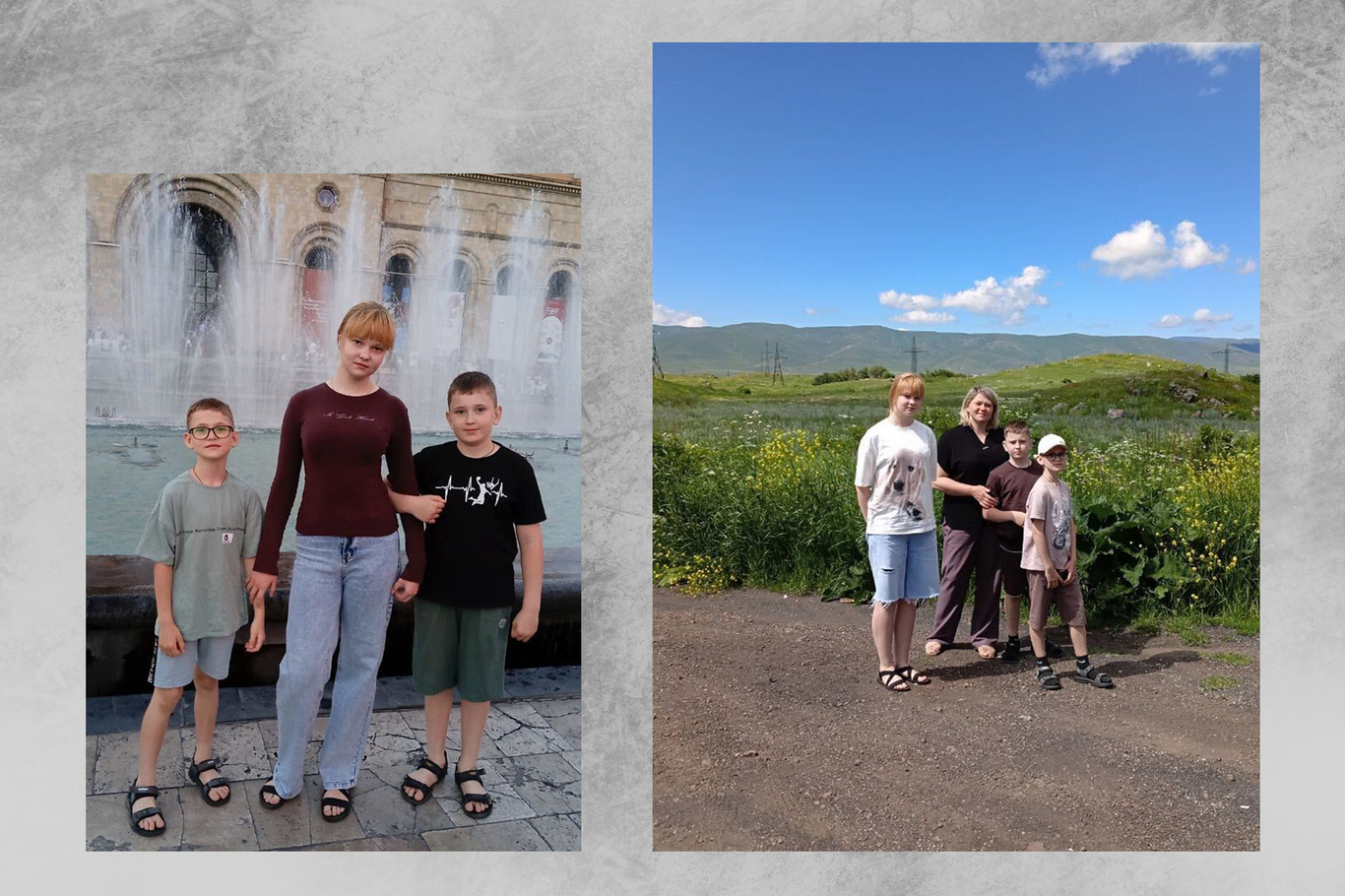
“They told me to keep quiet and stay out of it. So I kept quiet and stayed out of it,” Yelena explained. “The message during my interrogation was simple: ‘If you don’t want to be next, behave yourself properly and live properly.’ It was very scary. At the beginning, my hands were constantly shaking.” As a reward for her good behaviour, the investigator occasionally sent her photographs of Sergey from his interrogations, reassuring her that he was still alive.
“I was scared they’d fire me from work. I have three children. The middle one has a hearing impairment,” Yelena says. “I told my kids that their dad was on a business trip abroad.”
They didn’t fire Yelena from school, but they hinted at it. “How can you manage raising three children with such a low-paying job? Maybe you should look for a job with a higher salary.”
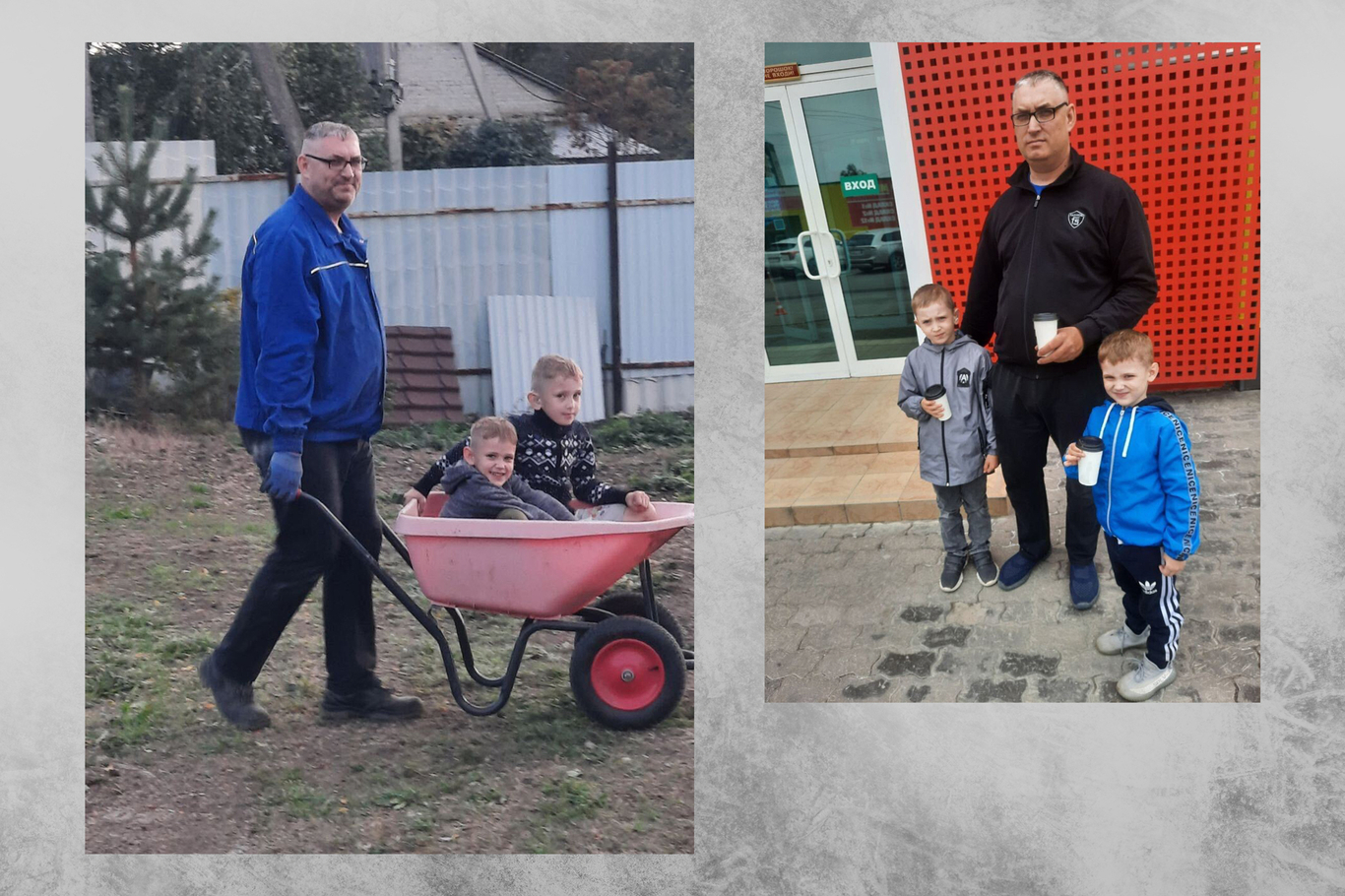
‘My husband is in prison, I have three children, an unfinished house and debt’
Yelena finished the school year and switched jobs. But Lipetsk isn’t a very big city and eventually, people at her new workplace found out her husband was accused of espionage. Reactions varied — some stopped greeting her and crossed the street when they saw her, while others would cut her off in traffic or stop taking their children to her speech therapy classes.
“The trial went relatively quickly for a case of treason and espionage,” said Yelena, starting in October and ending by December. Sergey was told not to appeal the verdict, since that could mean a harsher sentence and life in prison. He should be grateful for his 18-year sentence, they told him. He appealed anyway, but the sentence stayed the same.
“I ended up with my husband in prison, three children, an unfinished house, where we planned to live and raise our kids, and debt,” says Yelena. “They even confiscated our old Lada by court order, although it was registered under my name. I became certain we had to leave. Sergey insisted and said he’d feel better if we were somewhere safe. In the end, I sold the house below market value, since I couldn’t have sold it otherwise, and took the boys for an extended visit to see their dad in prison. They wouldn’t have let me bring all three kids. That’s where we said our goodbyes.”
It was only then that Yelena told her children that their father was in prison. They had still been waiting for him to return from his business trip. When the boys asked why their father had been imprisoned, Yelena told them it was because he opposed the war. “But he’s right, isn’t he?” the boys replied. “The president doesn’t see it that way,” she responded.
Yelena and her children recently arrived in Armenia. After two years of keeping quiet, she’s finding it difficult to speak openly again. She has started working as a speech therapist, and her children have enrolled in a local school where they no longer have to hide the fact that their father is in prison.
Political prisoner
Now, Yelena worries that Sergey hasn’t been recognised as a political prisoner. Novaya Gazeta Europe spoke with human rights activist Sergey Davidis, who heads the Political Prisoners Support. Memorial project. He explained that guidelines for identifying political prisoners were developed in 2014 by human rights activists from Russia, Belarus, Ukraine, Azerbaijan, Armenia and Georgia, drawing on a 2012 resolution by the Parliamentary Assembly of the Council of Europe. Under the guidelines, a political prisoner is prosecuted solely for non-violent exercise of rights and freedoms or for their membership in a particular ethnic, political, or social group.
“There are 1,800 people in our list of political prisoners. Another 5,700 are individuals who were imprisoned on political and unlawful grounds,” says Davidis. “And we don’t differentiate between them when we hold fundraisers or send them letters. So I don’t recommend over-focusing on the concept of ‘political prisoner’, and I think the rhetoric surrounding it is artificial.”
Davidis’s team is in the process of studying Sergey Logunov’s case. “We’re going through the process of analysing all the documents and materials,” he says. “It’s a complex and, I’d say, borderline case. We can’t exclude the possibility that he really was gathering information for Ukrainian intelligence. Morally, it’s justified and deserves support, but formally, in this case, the state had the right to prosecute him.”
“I’m not prepared to make a conclusive decision on his case,” he says. “We’ll publish a detailed report analysing the violations and political motives in Logunov’s case. But whether or not he’s recognised as a political prisoner isn’t as important as the case itself. What’s critical is that he was imprisoned on political and unlawful grounds.”
Sergey now works long hours at the penal colony’s industrial complex in Kokhma, in the Ivanovo region. “Sergey made friends with a terrorist and Ukrainian prisoner of war,” says Yelena. “They’re really supportive of each other.” He still has 16 years left to serve.