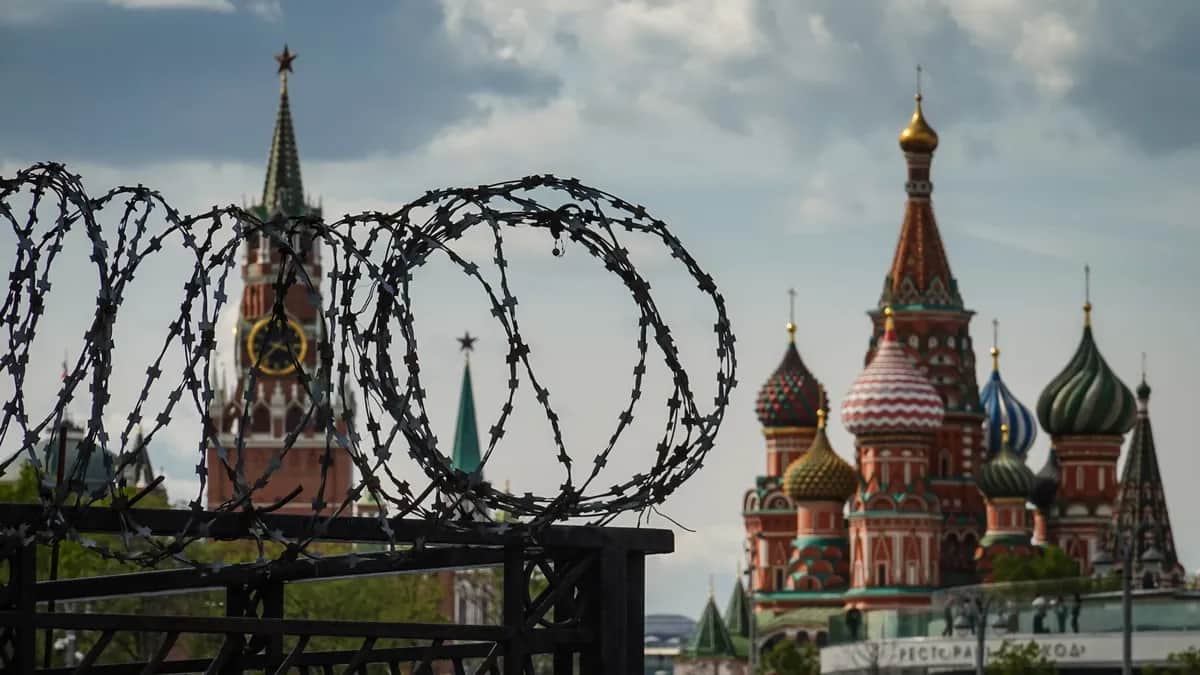
At Moscow’s 29th Russian Internet Forum in September 2025, the Kremlin’s influential deputy chief of staff, Sergey Kiriyenko, stressed the importance of ensuring Russia’s “internet sovereignty", arguing that only then would it mean “nobody can dictate to us”.
Leland Hollowell
postgraduate student at University College London’s School of Slavonic and East European Studies
“Only three countries in the world possess the full spectrum of this digital sovereignty: America, China, and, more recently, Russia,” Kiriyenko told delegates. To Kiriyenko’s mind, internet sovereignty can only be provided by Russian companies that are based in Russia, and that comply with Russian legislation.
While Kiriyenko’s September comments appeared to imply that he believed the job was already largely done, since then, the Kremlin has taken further steps to ensure that the internet in Russia remains tightly under its control.
The concept of a "sovereign internet" in Russia is based on legislation passed in 2019, which has drawn comparisons with existing policies in Iran and China. In all three countries, the authorities have attempted to replace foreign-owned social media apps with domestic alternatives, something China has done with particular success.
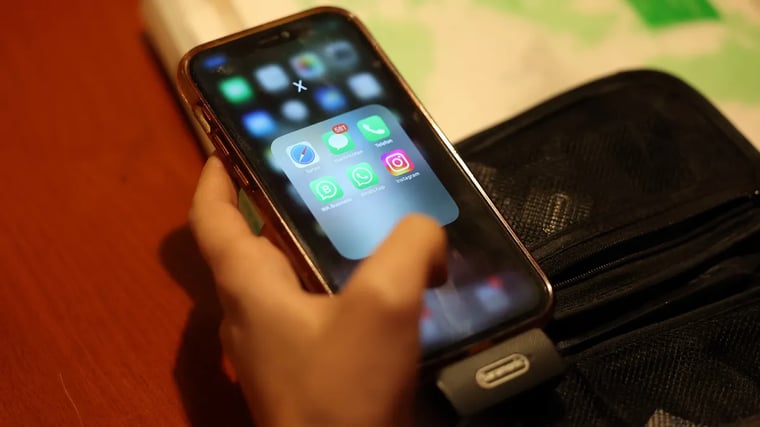
In recent weeks, Russia has taken various steps to ensure its own digital sovereignty, most notably its total block of popular messenger Whatsapp along with other Meta products last month, and media regulator Roskomnadzor’s announcement that it will be blocking all access to Telegram from 1 April.
Sergey Kiriyenko. Photo: EPA / Mikhail Metzel / Sputnik / Kremlin Pool
Kiriyenko may genuinely believe in the importance of a “sovereign internet”, but he also has a personal interest in forcing well-established foreign-based apps such as WhatsApp and Telegram out of the Russian market, and channeling social media users towards the new state-backed “everything app” MAX instead.
Since MAX was launched last year, the Russian authorities have been attempting to make it the go-to app for Russians. It’s no coincidence that MAX was developed by Russian social media giant VK, whose CEO is Kiriyenko’s son Vladimir, which has led some to dub Kiriyenko père the ”godfather of MAX”.
The degree of privacy MAX offers is near nonexistent, with many analysts alleging that the app is designed to spy on its users on behalf of the state. In addition, Reporters Without Borders has warned that the Kremlin is attempting to make MAX the “backbone of online life”, not just in Russia, but also in the areas of Ukraine it occupies.
WhatsApp and Telegram’s non-compliance and the reluctance of most Russians to make the switch to MAX are both less significant problems for the Kremlin, with those two apps now harder to access in Russia.
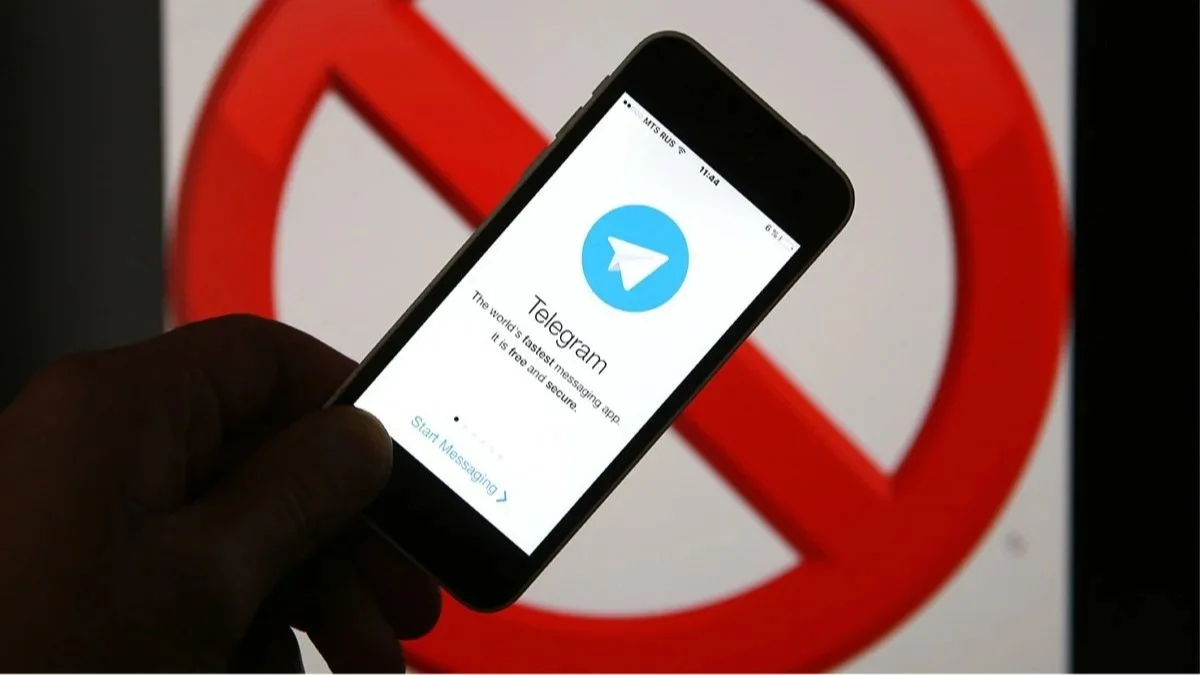
Russia’s drive for digital sovereignity will also affect the residents of Russian-occupied Ukraine, who are required to use Russian numbers. While it’s long been impossible to make phone calls between Russian and Ukrainian SIM cards, the replacement of Telegram and WhatsApp by MAX would make communication between Russian-occupied Ukraine and the rest of the country even harder.
To date, many Russians have opted to continue using Telegram or WhatsApp, using a VPN to access the latter, as the Kremlin has been able to force the owners of both apps to submit to its rules. In December, a source close to the Presidential Administration told Russian independent media outlet Verstka that the authorities may not be able to get Russians, even those working in the government, to switch over to MAX.
WhatsApp and Telegram’s non-compliance and the reluctance of most Russians to make the switch to MAX are both less significant problems for the Kremlin, with those two apps now harder to access in Russia. While many will use a VPN to get around the block, many others will reluctantly switch over to MAX, not least as the app is increasingly required to access certain government services, including for school children and university students.
As a result, it now looks inevitable that MAX will eventually become the most popular messaging app in Russia. Indeed, both the owners of WhatsApp and Telegram have said that they believe this to be the real motivation behind their apps being blocked.
Kiriyenko, who was reportedly not only in favour of banning Telegram, but of adding it to Russia’s list of extremist organisations as well, clearly has an ulterior motive in advocating for MAX. As well as his son being the CEO of the app’s developer VK, his close associate Yury Kovalchuk also stands to benefit from MAX becoming predominant in the Russian market.
Kovalchuk actually owns a majority of VK shares through a holding company called Sogaz, while Kovalchuk’s patron and close friend, Vladimir Putin, also has a direct financial interest in the promotion of MAX, as he also owns shares in Sogaz himself through his cousin’s son.
In addition, it was reportedly Kiriyenko who led the charge to reduce YouTube download speeds in a bid to frustrate the platform’s Russian users and persuade them to migrate to Kremlin-controlled VK Video.
VK video has had mixed success in achieving that goal. That said, it was most likely the security services, with whom Kiriyenko is known to have a difficult relationship, that orchestrated the campaign against Telegram.
Despite this, before YouTube was blocked in Russia, VK Video struggled to achieve widespread popularity. While many big-name creators had VK Video accounts, in most cases their YouTube channels nevertheless remained more popular.
That said, it was most likely the security services that orchestrated the attack against Telegram, with whom Kiriyenko is known to have a difficult relationship. According to the outlet Istories, the increased activity of the FSB has become a problem for the presidential administration, with officials linked to Kiriyenko having been arrested without his prior knowledge.
The Kiriyenko family stands to gain financially from the elevation of both VK and MAX, and the more their competitors are pushed out of Russia’s tech sector. Vladimir Kiriyenko has already been tapped by some analysts as a future high-flyer, assuming his father maintains his influence in the Kremlin.
That influence expanded greatly last year, particularly following the departure of Kiriyenko’s fellow Presidential Administration deputy head Dmitry Kozak, whose role managing the Kremlin’s relations with Armenia, Moldova, and the breakaway Georgian republics of Abkhazia and South Ossetia, was passed to Kiriyenko.
If the start of 2026 is anything to go by, Kiriyenko’s influence will continue to grow this year.
Since taking over from Vyacheslav Volodin as the Presidential Administration’s first deputy chief of staff in 2016, Kiriyenko has overseen Russian domestic policy while also growing the role into a far more powerful one than it ever was under Volodin’s tenure, and Kiriyenko has also been tasked with overseeing Russian-occupied areas of Ukraine.
He also has a hand in appointments at all levels of government through his links to the Russian Presidential Academy of National Economy and Public Administration (RANEPA), which overseas, among other programmes that train future politicians and bureaucrats, the School of Governors, from which 55 of Russia’s current 89 governors graduated, and the Time of Heroes programme, which was created to prepare a so-called “new elite” of veterans of the war in Ukraine for government service.
If the start of 2026 is anything to go by, Kiriyenko’s influence will continue to grow this year. However, his personal interest in expanding his family’s influence will likely put him increasingly at odds with other actors within the regime, a likelihood that is only set to increase with time, as the competition between various Kremlin factions to succeed Putin grows.
Views expressed in opinion pieces do not necessarily reflect the position of Novaya Gazeta Europe.