Russia to block Telegram from 1 April as crackdown on foreign-owned apps continues

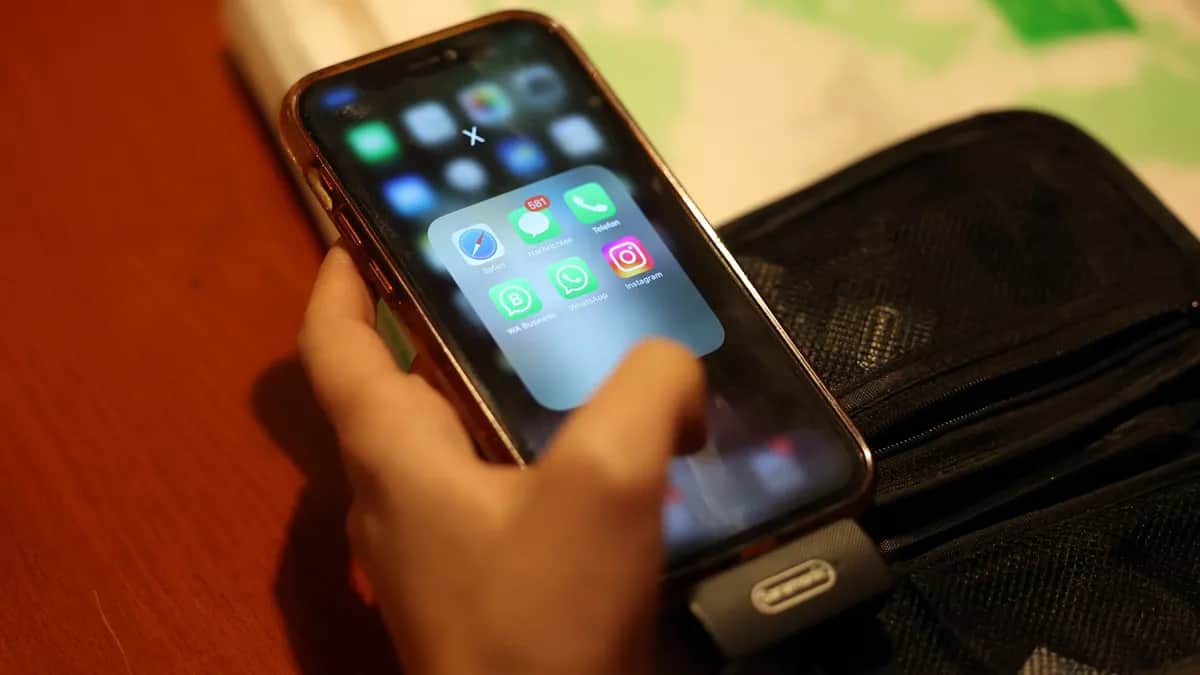
Russia’s media regulator, Roskomnadzor, has decided to fully block the Telegram messaging app from 1 April, Telegram news channel Baza said on Tuesday, citing sources in multiple government departments.
The complete ban would be comparable to that already imposed on Instagram and Facebook, Baza said, suggesting it would be applied nationwide and that Telegram would no longer work either on mobile networks or through domestic internet connections without a virtual private network (VPN), it continued.
In response to requests for further information, Roskomnadzor said it had “nothing to add to previously published information on this issue,” according to independent Telegram news channel Lentach. Earlier this month, Roskomnadzor said it would continue to restrict Telegram’s functionality in Russia in what appears to be a sustained crackdown on foreign-owned messaging apps.
In October, Roskomnadzor confirmed its “partial blocking” of both WhatsApp and Telegram messaging services, alleging that both had become “the main services used to scam and extort money, and to get Russian citizens involved in sabotage and terrorist activities”, while noting that its owners had ignored Russia’s demands to “take measures against criminals”.
The efforts came amid a broader campaign by the Kremlin against foreign-owned messaging platforms, as the authorities seek to promote MAX, a state-backed messenger and “super app”, which critics have warned could record user activity, which could then be made available to the authorities.
Meanwhile, a source close to Telegram’s founder, Russian-born Pavel Durov, said he believed an eventual ban on Telegram in Russia was inevitable, Russian media outlet Daily Storm reported on Tuesday.
The source added that if access to Telegram were not now restricted, it would be a huge blow to Durov’s image as it would suggest he had made concessions to the Russian authorities. “You have a choice, to cooperate with Russia but then not work in the rest of the world, or not cooperate with Russia and work in the rest of the world.”