Russia arrests Estonian man visiting wife whose EU asylum claim was denied

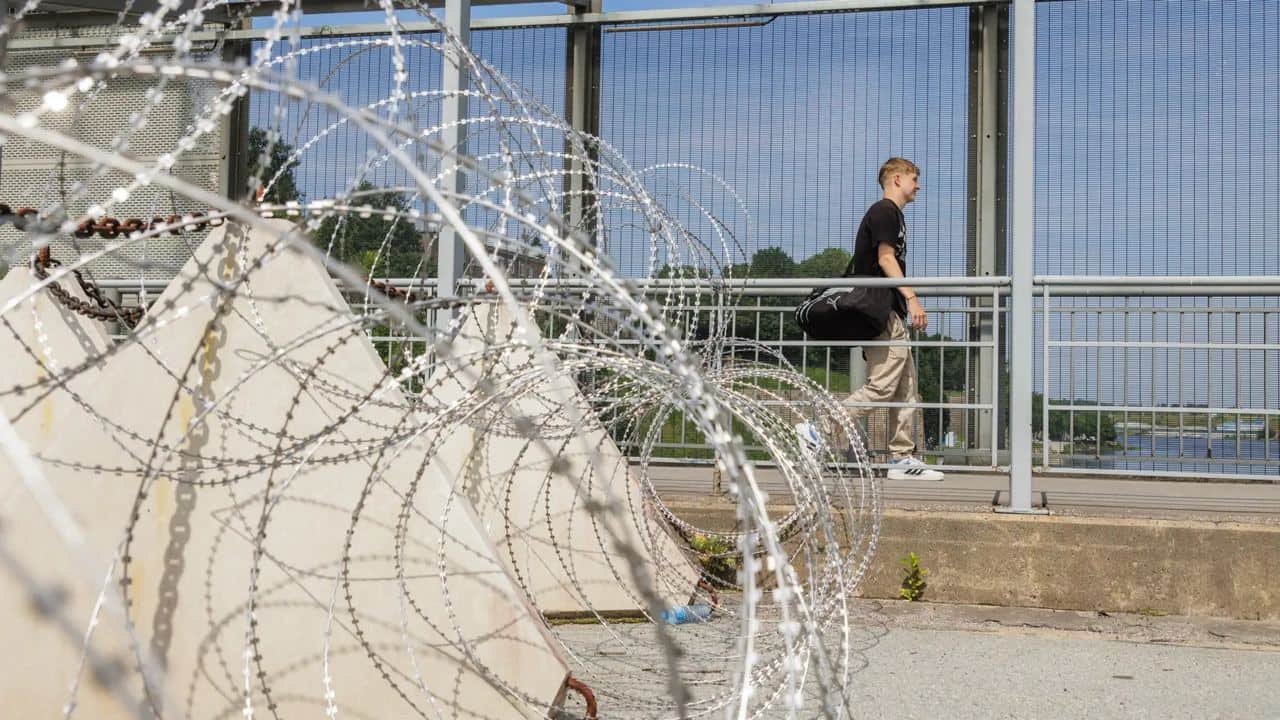
An Estonian man who was detained in Russia on suspicion of planning to fight for Ukraine had travelled to Russia to see his wife after she was denied asylum in Estonia, according to reporting by outlets IStories and Delfi.
Russia’s Federal Security Service (FSB) announced in April that it had arrested an Estonian citizen on suspicion of preparing to join Ukraine’s military as a mercenary. Journalists have now identified the man as 30-year-old Artur Kirmjõe, a former paramedic with the Scouts Battalion, an elite Estonian military unit.
Kirmjõe had travelled to Russia to be with his wife, according to his mother, Inga Allikas. Within days of his arrival, security officers raided the couple’s apartment and arrested him.
Russian authorities are investigating Kirmjõe on charges of preparing to commit a crime and mercenary activity. He faces up to 7.5 years in prison. Allikas says the charges are baseless and that her son travelled to Russia because of his wife, not for political reasons.
Kirmjõe met his future wife, a Russian woman identified as Lina (a pseudonym used for safety reasons), before Russia’s full-scale invasion of Ukraine. In March 2022, she travelled to Estonia and applied for political asylum, saying she had taken part in anti-war and opposition protests in the city of Vladimir and feared persecution in Russia. Kirmjõe offered her a place to stay.
In November 2022, Estonia’s Police and Border Guard Board (PPA) rejected her application, saying there was insufficient evidence that she faced a genuine risk of persecution in Russia. Lina appealed the decision in court and simultaneously obtained permission to marry Kirmjõe.
The couple did not manage to marry in Estonia. Her asylum appeal was unsuccessful, and she was given a week to leave the country.
The couple then appealed to Estonia’s Chancellor of Justice, whose office indicated that Lina’s impending marriage to an Estonian citizen could provide grounds for suspending the order requiring her to leave. But the response arrived only a day before she was due to depart.
Lina ultimately returned to Russia voluntarily, hoping to reunite with Kirmjõe later. At the same time, the PPA imposed a three-year ban on her entering the European Union.
Kirmjõe subsequently followed her to Russia. According to his mother, the couple planned to remain there until the entry ban expired, then return to Tallinn or move to another EU country.
They married in Vladimir in June 2024. After the wedding, they again asked Estonian authorities to lift Lina’s entry ban, this time on the grounds that she was married to an Estonian citizen. The PPA rejected the request again.
The agency argued that Kirmjõe could visit his wife in Russia and that the couple had not demonstrated that they were unable to maintain their family life outside Estonia. Officials also raised the possibility that the marriage in Russia was fictitious.
The couple disputed this and, among other arguments, pointed to the potential risks Kirmjõe faced when travelling to Russia because of his military service. The PPA did not find their concerns persuasive.
In mid-April 2026, Kirmjõe travelled to Russia once again to visit his wife, according to his mother. Within days, security officers broke into the couple’s apartment and arrested him.
The detention was not reported publicly until the summer, when the FSB’s Vladimir region directorate released a video showing a man whose face had been obscured. The authorities did not identify him by name at the time.
In the video, the man says that information he had read online had given him a negative view of the war in Ukraine. He says he then contacted Ukrainian representatives himself and asked for help joining Ukraine’s military and fighting against Russia. He subsequently apologises and says he is prepared to accept punishment.
According to Estonia’s Foreign Ministry, 20 Estonian citizens are currently behind bars in Russia. The ministry said it remains in contact with Kirmjõe’s mother but declined to disclose details of the consular assistance it is providing. It continues to advise Estonian citizens against travelling to Russia.