Victory Day celebrations scaled back across Russia as country prepares for mass internet outages

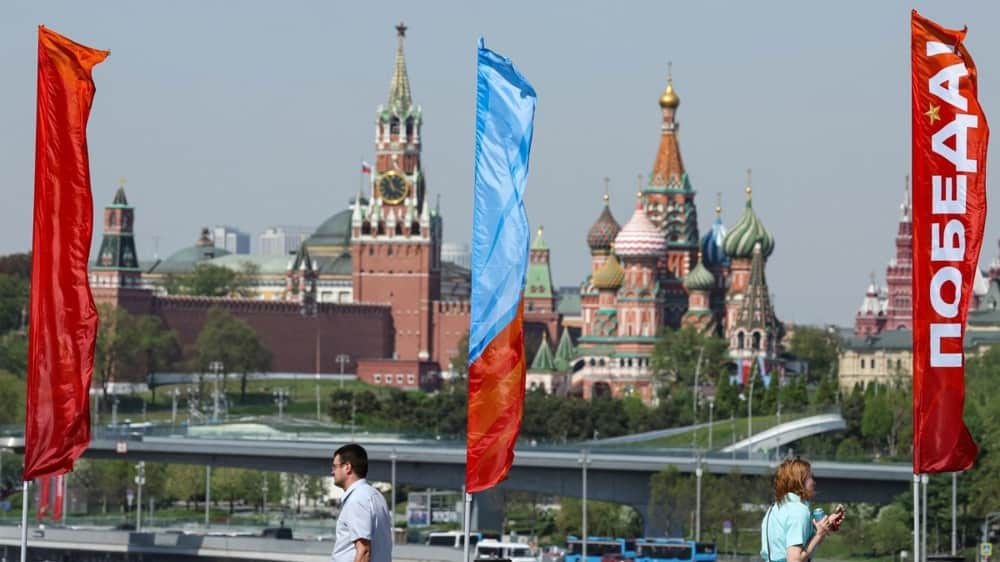
Over a third of regional capitals in Russia have cancelled their Victory Day parades on 9 May, while another 40% will hold parades without any military equipment, the independent investigative outlet Verstka reported on Thursday.
In total, only 18 of Russia’s 85 regional capitals will hold full parades featuring military vehicles. Last week, the Kremlin announced that the country’s largest Victory Day parade in Moscow would be held without any military vehicles for the first time in 19 years, citing the “current operational situation”.
The 27 cities where parades have either been quietly dropped from scheduling or cancelled outright include capitals in the vast majority of Russia’s western border regions, as well as Sevastopol and Simferopol in annexed Crimea.
The scaled-back celebrations come alongside plans for mass internet outages on Victory Day in at least 21 Russian regions, where telecom operators and banks have been warning users about expected outages between 5–9 May.
On Thursday, Russia’s Digital Development Ministry confirmed that both mobile internet and SMS messaging services would be completely shut down in Moscow on 9 May, including access to sites on so-called “white lists”, which have previously been exempt from restrictions.
A similar mobile internet shutdown was first trialled in Moscow and over 30 other Russian cities during Victory Day celebrations last year, with the official aim of preventing Ukrainian drone attacks. Since then, analogous disruptions have been regularly reported across Russia, including an unpopular shutdown in Moscow which lasted almost two weeks in March.
During his daily press briefing on Thursday, Kremlin spokesperson Dmitry Peskov said that “additional safety measures” were being taken “against the backdrop of the terrorist threat posed by the Kyiv regime”.
Peskov also confirmed that Moscow’s Immortal Regiment march, an event traditionally held on Victory Day to commemorate soldiers killed in the Second World War, would take place online. The Kremlin did not specify how Muscovites would be able to hold or watch the march online without internet access.