Political prosecutions in Russia rose by a third in early 2026, official data shows

The number of criminal cases opened on charges of publicly inciting extremism or terrorism rose by roughly one-third in the first quarter of 2026 compared to the same period last year, according to Russian Interior Ministry statistics reviewed by independent investigative outlet Mozhem Obyasnit.

Cases under the statute criminalizing “public incitement to terrorism, justification of terrorism, or propaganda of terrorism” increased 28%, from 352 to 451. Cases under the one outlawing “public incitement to extremist activity” rose 31%, from 180 to 236.

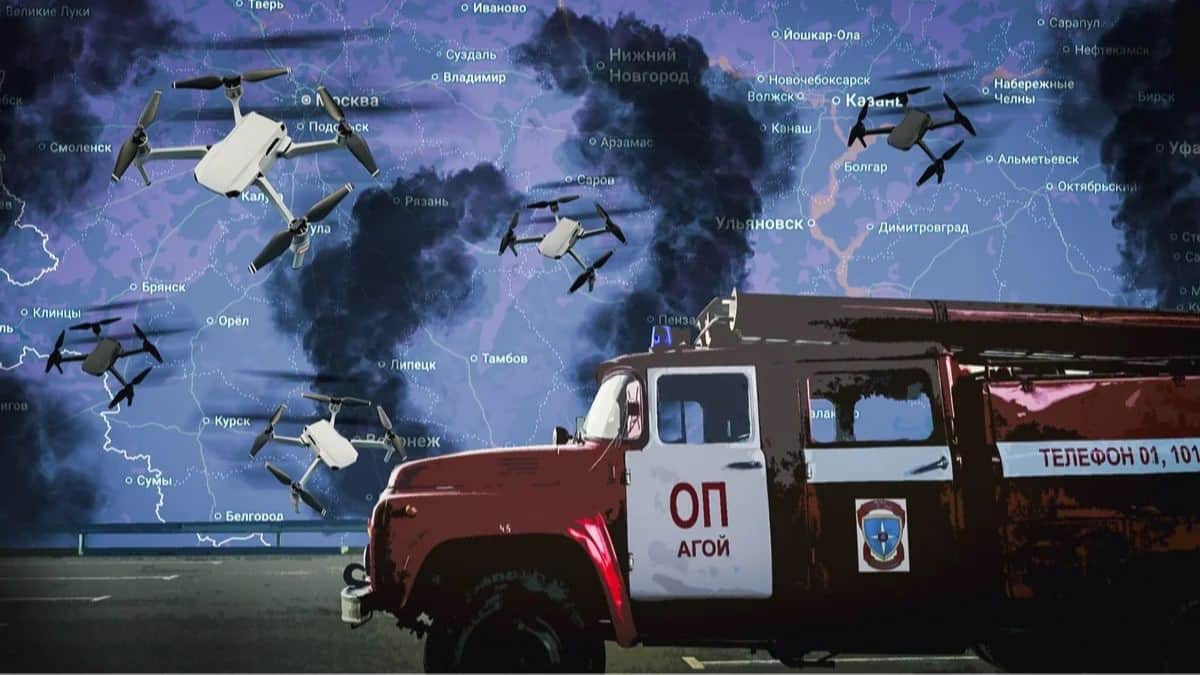
Russian lawyer and human rights activist Ivan Pavlov told Mozhem Obyasnit that the overwhelming majority of prosecutions under these statutes are political. “They're tied to the war and to the discontent people express in the comments,” he said. “Any Ukrainian drone or missile strike is now classified as a terrorist act.”

“So if someone voices displeasure or outrage at the authorities' actions, that can be prosecuted as justifying terrorism or inciting extremist activity. That's where the growth comes from: as incidents like these multiply, so does the number of such 'crimes.'”
In 2025, political convictions increased and average sentence lengths grew, Dmitry Anisimov, press secretary for the human rights project OVD-Info, told Mozhem Obyasnit. Security forces have also shifted toward more serious charges: while “discrediting” the military and spreading “disinformation” were the most common accusations in 2023, prosecutions for public justification of terrorism have climbed since 2024. “The line between these charges is blurry at best — but the anti-terrorism charge carries a heavier penalty,” Anisimov said.

Share
Topics