Russians have access to Telegram restored after near-complete block over weekend


Russia’s efforts to restrict access to messaging app Telegram lessened considerably on Monday after a near-complete block over the weekend, independent news outlet Agentstvo has reported, citing data from the Open Observatory of Network Interference (OONI), an online freedom NGO based in Italy.
Attempts to connect to Telegram from Russian networks on Monday were blocked in only 51% of cases, compared to nearly 80% between Friday and Sunday. Issues accessing Telegram reported to Russian outage tracker Sboi.rf were down to 1,500 on Monday, after Friday’s peak of nearly 14,000 complaints.
Widespread problems accessing Telegram in Russia were last reported around a week ago, causing speculation that Russia’s planned total block against the platform, originally due to come into force on 1 April, had already begun.
However, Russia’s media regulator Roskomnadzor appeared to encounter problems enforcing blocks on all restricted web traffic, according to a report by Forbes Russia on Wednesday. Access to Telegram was partially restored for Russian users on Tuesday through Thursday, with OONI data indicating that only 18% of traffic to Telegram on Thursday was blocked. Some other previously banned sites, such as Youtube and WhatsApp, have also become accessible on occasion.
Roskomnadzor has denied any issues with its RuNet traffic filtering tools, which Forbes said had become “overloaded” due to bandwidth restrictions when attempting to block Telegram. A Roskomnadzor representative told independent Russian media outlet Podyom that the reports did “not correspond with reality”, but offered no explanation for some restricted resources periodically becoming accessible.
The Kremlin has previously instructed internet service providers to throttle traffic on Telegram, and has already blocked all voice and video calls on the platform, as part of its broader crackdown on free and uncensored internet access for Russians.
Following weeks of mobile internet outages in Moscow, Roskomnadzor has now expanded the use of “whitelists” of authorised websites to all networks in the Russian capital, which limit internet traffic to a small number of domains pre-approved by the Kremlin.
On Saturday, internet users in Russia’s second city St. Petersburg also began experiencing a near complete loss of mobile internet coverage, indicating that the restrictive measures taken in Moscow are now being replicated in other major Russian cities.
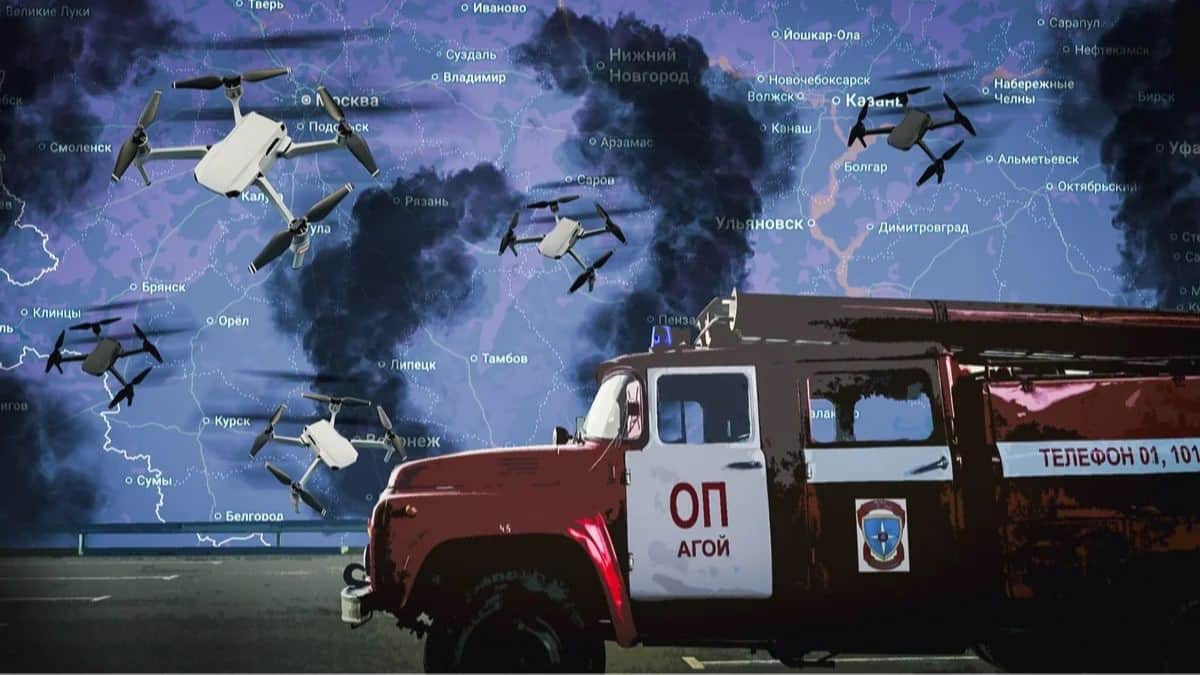
Officially, the Kremlin blames its expansive internet restrictions on security concerns regarding Ukrainian drone strikes, and alleged cooperation between foreign social media platforms and Ukraine’s security services.
At a briefing two weeks ago, Kremlin spokesperson Dmitry Peskov told reporters that outages would last “as long as additional measures are necessary to ensure the safety of our citizens.”