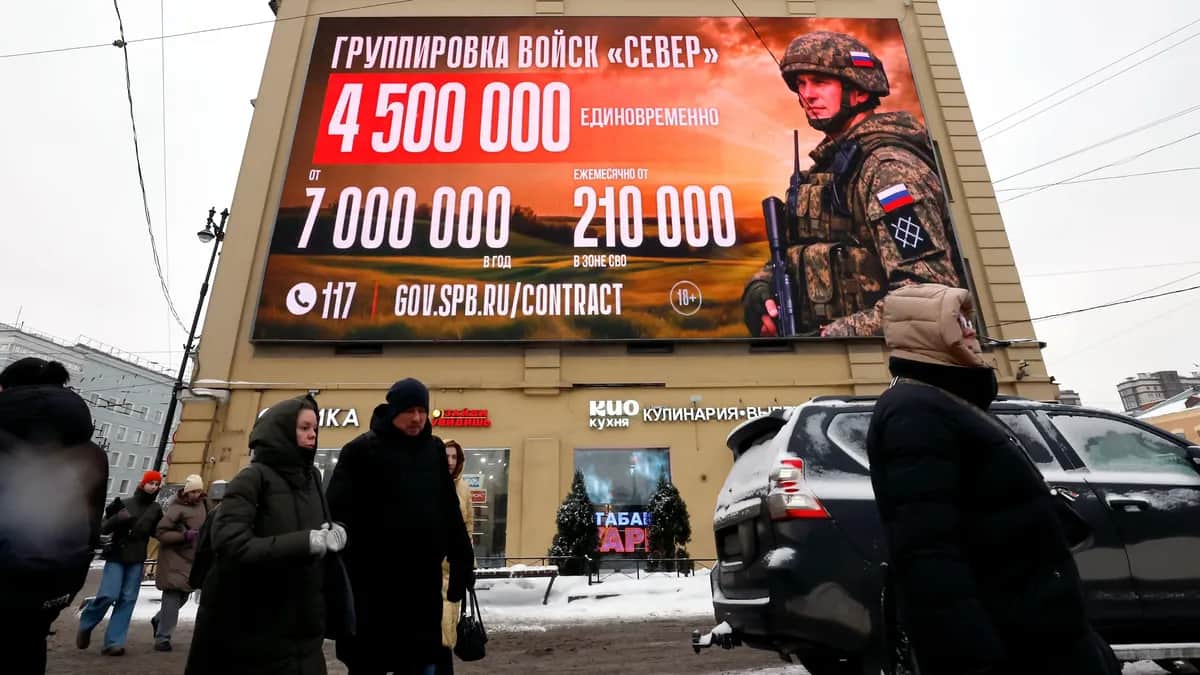
Despite a sudden reduction in the size of the military enlistment bonuses paid out by Russia’s regions and republics to bolster recruitment late last year, the amounts being disbursed to those who sign up began rising again recently and are now at their highest level at any time since the start of the war in Ukraine.
Those who voluntarily sign a contract with the Defence Ministry are at present not only guaranteed a significant one-time cash payout, but also a broad package of other benefits, which are overall more generous than those offered to large families or people with disabilities.
In autumn 2025, for the first time since the war began, several regions sharply reduced the size of the signing bonuses they paid out. For example, the republic of Tatarstan in Russia’s Volga region went from paying out a colossal €29,700 to just €4,400, while at the lower end, the neighbouring republic of Bashkortostan reduced its signing bonus from €14,300 to €6,600.
Even more startling was the decision by the authorities in Russia’s second city St. Petersburg to cancel a payout of €17,600 to those who enlisted in the Combat Army Reserve with immediate effect. In an act of baffling cruelty, new recruits were only informed of the change after they’d signed their contracts.
Governors around the country attributed the signing bonus reductions to budget deficits, and they weren’t lying — last year saw the total regional budget deficit reach 1.48 trillion rubles (€16.3 billion), over three times larger than the regional budget deficit for 2024 (407 billion rubles, €4.5 billion), which was itself the highest recorded deficit at the time.
At the time, it seemed that financial constraints might force Russia’s regions and republics to cap military signing bonuses at a far more modest size. However, the regions entered the new year with revised budgets and renewed optimism, and those sums began climbing again.
“Sooner or later the federal authorities will plug all the budget holes — through subsidies, debt write-offs, or preferential loans.”
Almost all the Russian regions that reduced the size of their signing bonuses late last year raised them again in 2026, most returning them to their previous levels, meaning that bonuses are still rising regardless of whether regional budgets can realistically absorb them, simply as pressure from Moscow for each region to meet its military enlistment quotas is far more persuasive than eventual budget deficits.
Every region that increased payments for contracts with the Defence Ministry in 2026 planned its budget for the current year with a deficit — which in total will amount to about €4.3 billion. Most likely, however, the real deficit will exceed the planned one, as happened both in 2024 and 2025.
“Poor regions have nothing to lose,” explains Russian defence expert Pavel Luzin. “Sooner or later the federal authorities will plug all the budget holes — through subsidies, debt write-offs, or preferential loans. All they need is to get through the day and survive the night, reporting back with soldiers and ‘patriotism.’ Each region is acting according to the current administrative reality.”
At the same time, fluctuations in the average size of regional signing bonuses have been seen for the first time — until October 2025, the figure had only been rising. Although the indicator is now at its highest level — about €17,600 — the pace of growth has slowed sharply.
For example, in February 2025 the average payment was 5.4 times higher than a year earlier. By 2026, however, the average payment had increased by just 1.5 times compared with 2025.
One-time payments for signing a contract with the Defence Ministry represent only one part of the financial burden the war places on regional governments, however, as regional governments are also responsible for funding benefits programmes for soldiers and veterans, as well as paying out compensation to those injured and to the families of those killed in the war.
Though some of these benefits, such as priority access to state and municipal services, allocating university places through quotas, priority medical care, or recuperation in sanatoria, cost regional budgets little or nothing, other veteran benefits such as subsidised energy and heating, free school meals, subsidised public transport access and home visits from social workers, require direct spending.
Russians who have enlisted to fight in Ukraine often enjoy higher than average standards of living. On top of what are by Russian standards enormous signing bonuses, a Russian soldier’s monthly salary of approximately €2,300 is more than three times the size of the average Russian wage, and almost five times the size of the average wage in some parts of the country.
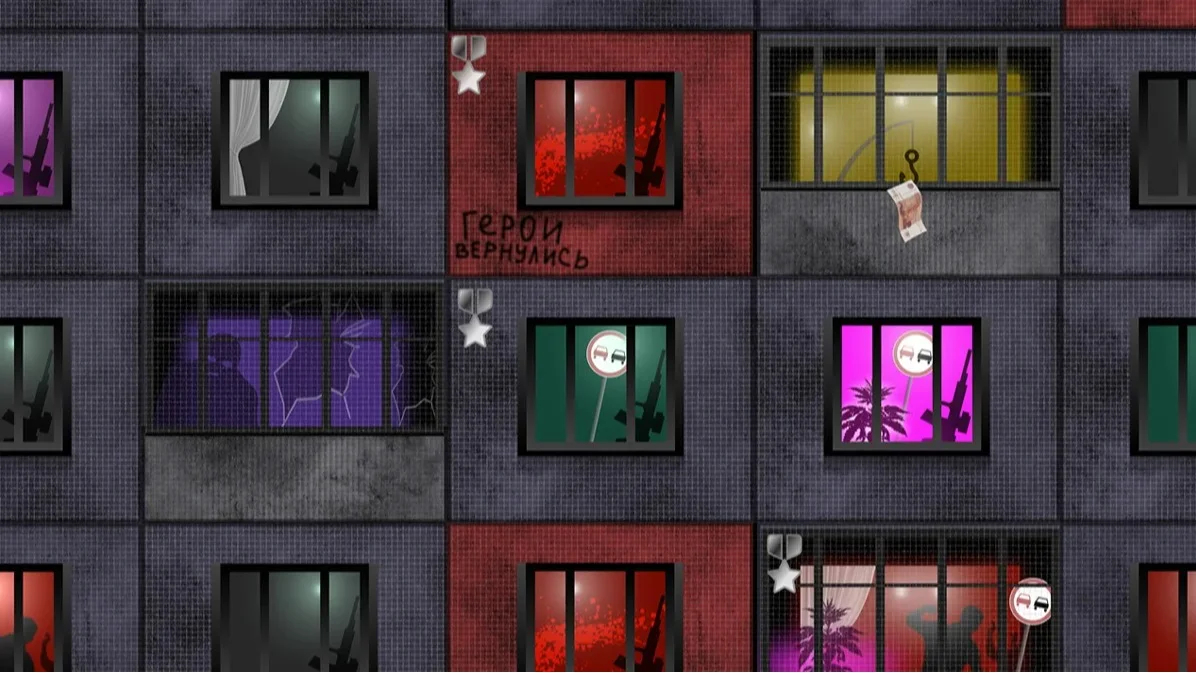
The state’s largesse towards those that enlisted to fight in Ukraine dwarfs the benefits provided to other, arguably far more needy, groups such as large families and people with severe disabilities. Indeed, Novaya Gazeta Europe’s calculations show that soldiers receive nine times more support from the Russian government than large families, and three times more than people with severe disabilities.
This includes subsidies for key workers and packages designed to get them to move to remote areas. For example, the maximum possible golden handshake payment for a doctor who is a specialist in a necessary field and who is willing to relocate to a remote and poorly connected area of the Leningrad region would amount to about €26,600, where as somebody enlisting to serve in the army in the same region would be eligible for a signing bonus of about €39,000.
Professional soldiers and their families are also eligible for a wide range of additional payments and benefits: the write-off of loans of up to about €110,000, a land certificate or compensation of about €5,000, grants of up to €3,800 to start a small business or to train for a new skill, as well as admission to universities by quota.
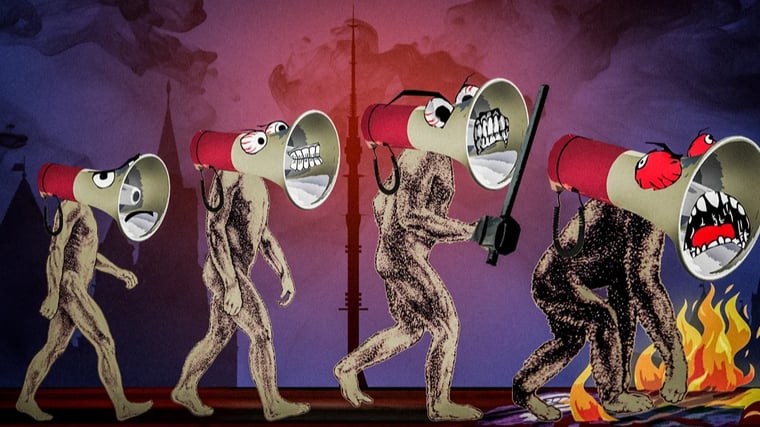
The abundance of benefits creates the impression of a large-scale social policy. However, according to experts, most of these measures — with the exception of direct payments — are largely symbolic.
“Most benefits for participants in the ‘special military operation’ and support for their families are, to a significant extent, propaganda,” says Luzin. “They are cheap to provide, but they allow regional officials to report success without actually solving any systemic problems. Kindergartens, free public transport — these things are of marginal importance.”
According to Luzin, the main long-term financial burden on the state will be paying for veterans’ prosthetics and providing lifelong support for those who lost the ability to work while fighting in Ukraine — potentially hundreds of thousands of people.
“Buying a prosthesis once and making sure nobody starves — there are enough resources for that. But replacement prostheses every few years and lifelong support for disabled veterans? That’s something nobody is seriously planning for right now.”