Minsk says Russians can no longer avoid draft by fleeing via Belarus

Belarus will no longer permit Russians subject to a military draft notice to leave the country, Polish-based news outlet Belsat reported on Wednesday, citing information from the Belarusian State Border Committee (GPK).
Advising affected individuals to “contact the relevant authorities of the Russian Federation”, a spokesperson for the Belarusian GPK said that if an individual was found “on a database” of Russian-imposed travel bans, he would be prevented from leaving the country.
The confirmation comes after a Russian man was prevented from boarding two flights in Minsk earlier in April because he had received a conscription notice from the Russian military. He had also previously been stopped while attempting to leave Russia via the land border to Belarus, but subsequently managed to cross the border on a train via Smolensk.
According to the Russian Movement of Conscientious Objectors, the man’s case is the first known instance of travel restrictions being imposed on Russian conscripts both at the Belarus-Russia land border, and when attempting to leave Belarus itself.
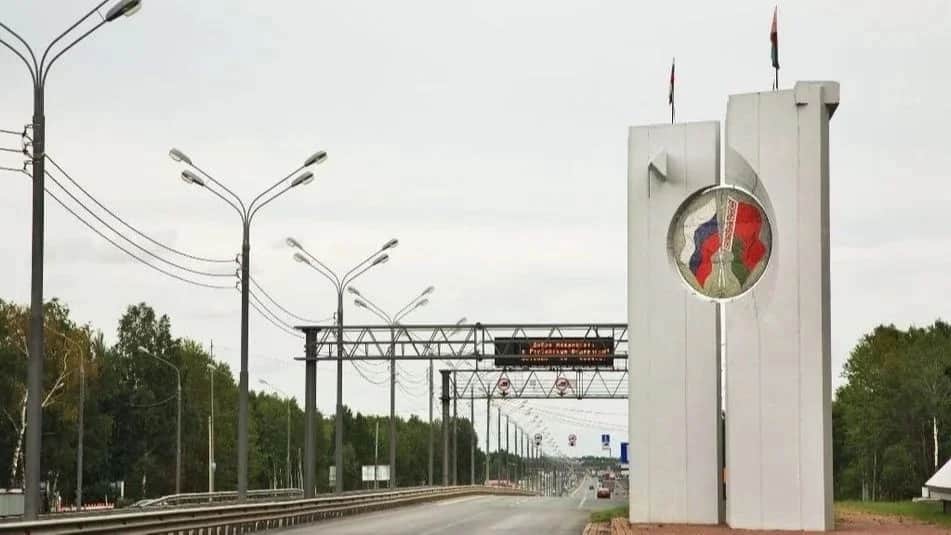
Formal border controls have been largely abolished between Belarus and Russia since 1995, under the terms of the Union State Treaty. The previous lack of systematic cooperation between Belarusian and Russian border officials has thus made Belarus a popular route for Russians fleeing the draft, who are otherwise legally barred from leaving Russian territory.
Since August 2025, Russia has implemented a fully digital conscription system, intended to automatically place conscripted Russians on a travel ban database. However, an IStories investigation in December found that the system of data exchange between military recruitment offices and border guards was not yet functional.
One expert from Shkola Prizyvnika, an NGO which helps conscripted Russians flee the country, told Novaya Europe that it was unlikely that Belarus had been given access to Russia’s digital conscription database, given that the system does not yet work within Russia itself.
Instead, they argued the recent reports were more likely a byproduct of Russian and Belarusian border officials attempting to synchronise their operations, thereby fulfilling the two countries’ obligations under the Union State Treaty.