Russia's Education Ministry sets 2% quota for university students to fight in Ukraine

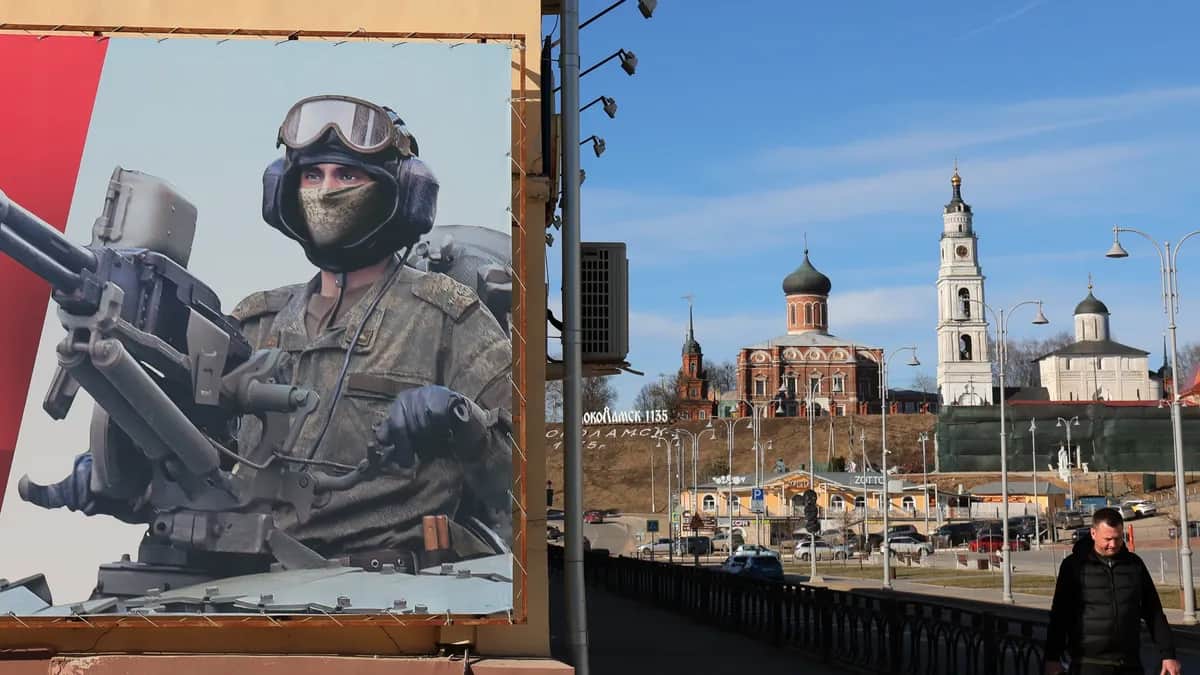
Russia’s Education and Science Minister Valery Falkov informed the rectors of the country’s largest universities earlier this year that at least 2% of their total student body must enlist to serve in Ukraine, independent news outlet Faridaily reported on Wednesday, citing a source close to the head of a Moscow university.
As there were 2.2 million men enrolled in Russian universities in 2025, meeting the quota demanded by the Education and Science Ministry would effectively mean that the Russian military would gain an additional 44,000 recruits. Were the same requirement be set for technical colleges, that number would rise to at least 76,000.
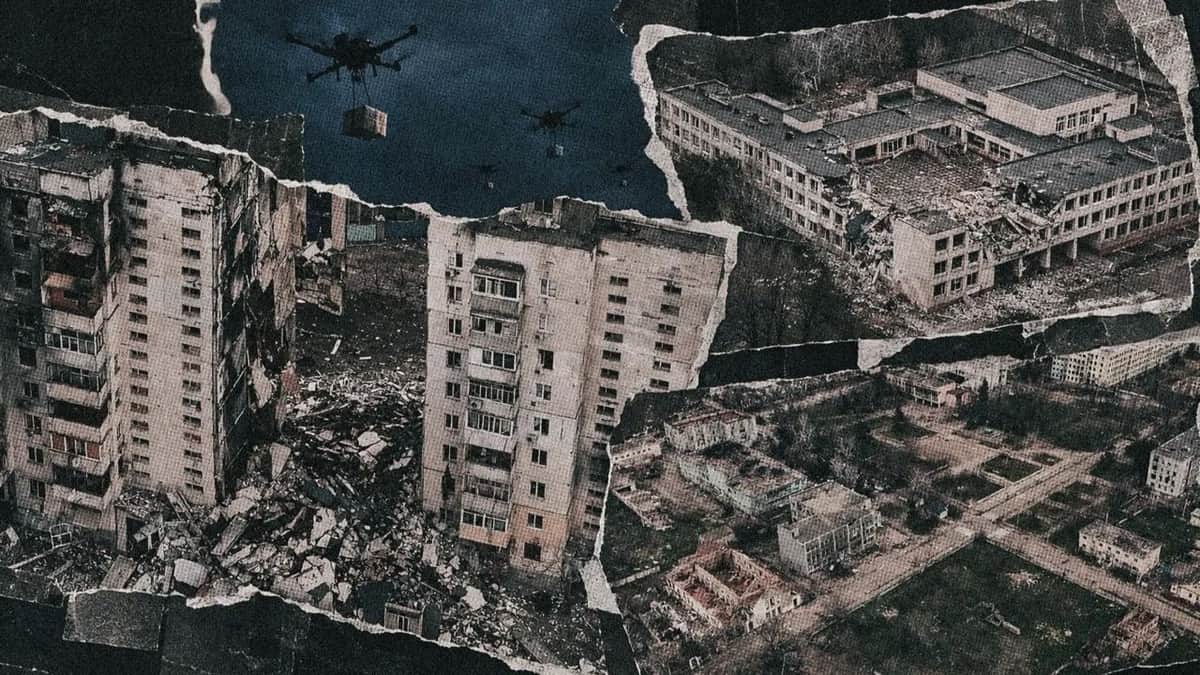
In early March, a leaked Defence Ministry memo outlined plans to recruit some 78,800 people into unmanned combat units this year, since when universities across the country have been offering students significant incentives to take extended leave from their studies if they sign up to serve in Ukraine.
Though military recruiters were holding drives in educational institutions last year, they have been seen far more frequently since February, according to Faridaily. A senior staff member at a university in Siberia was able to confirm that Falkov did indeed meet with Russian rectors to discuss military enlistment earlier this year, Faridaily said.
An investigation by independent media outlet Echo in late February found that the Defence Ministry was actively attempting to recruit students at over 70 universities and technical colleges across Russia. Nevertheless, on Monday Kremlin spokesperson Dmitry Peskov stressed that a declaration of full mobilisation was “not on the agenda”.