Kremlin’s oil revenues rise to highest level since the start of war in Ukraine

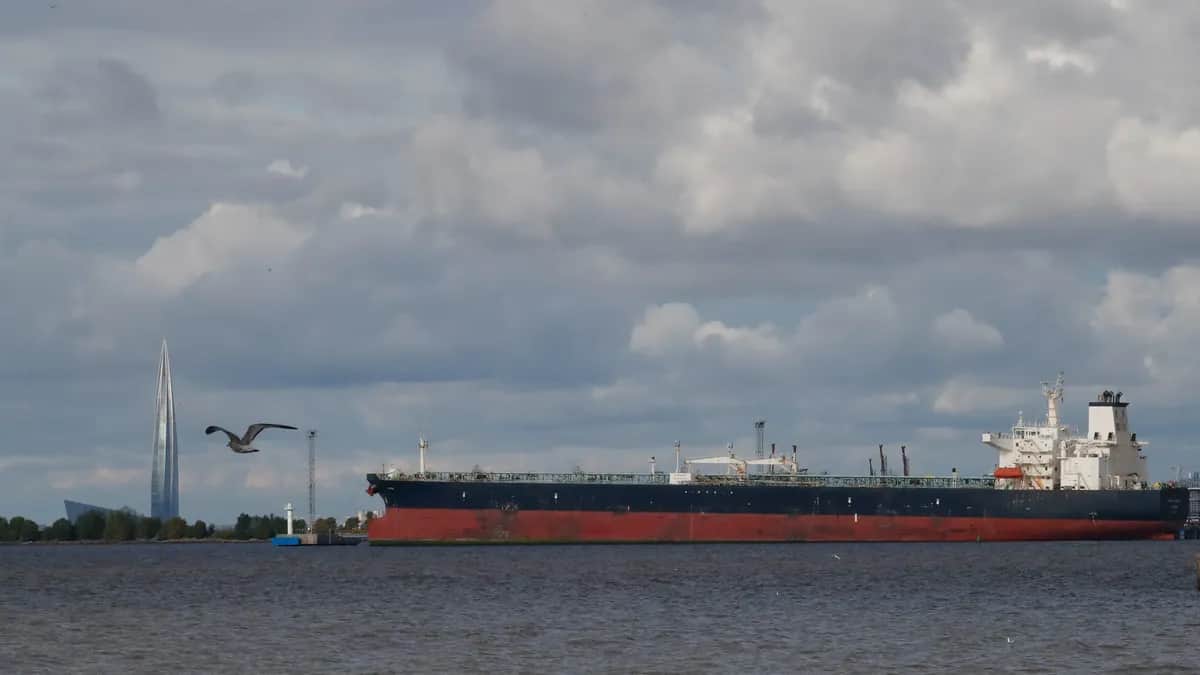
Russia’s daily revenue from the sale of its oil abroad has doubled since January, jumping from an average of $135 million to $270 million and bringing Russian oil revenues to their highest level since March 2022, Bloomberg reported on Tuesday.
The rise in revenues has been driven by both increased oil shipment volumes from Russian ports, as well as the massive increase in prices for Russian oil grades amid disruptions to global energy supplies as a result of the US-Israeli attacks on Iran.
Bloomberg said Russia was also benefiting from a sanctions waiver issued by the US Treasury two weeks ago, which has seen the country’s flagship Urals crude command a premium over North Sea Brent in the Indian market for the first time since Russia’s invasion of Ukraine.
Russian business daily Kommersant reported on Wednesday that ESPO, a premium Russian export grade drilled in Russia’s Far East, was trading at over $100 per barrel for the first time in at least 10 years. The primary customer for ESPO crude is China, which has also increased its consumption of Russian oil after disruptions in supplies from the Gulf.
“If these prices are maintained at least until June, the [Russian] budget will be balanced as approved last year, perhaps even better than planned”, economist Vladislav Inozemtsev told independent news outlet The Insider on Wednesday.
“The rise in oil prices will be followed by a fall in the ruble’s exchange rate”, Inozemtsev continued. “Revenues will be higher, but they will be channelled into closing the deficit, and not into any significant improvement in the economy.”
The news comes a day after the Kremlin confirmed it was reconsidering a planned tightening of its fiscal rules, delaying a planned lowering of the “cut-off price” of Russian oil until next year, as Russia’s budget calculations continue to benefit from the attacks on Russia’s strategic partner Iran.
On Monday, Vladimir Putin urged restraint in assessing the impact of the Iran war on the Russian budget, calling for “prudent decision-making [...] to guarantee the long-term balance” of the country’s finances.