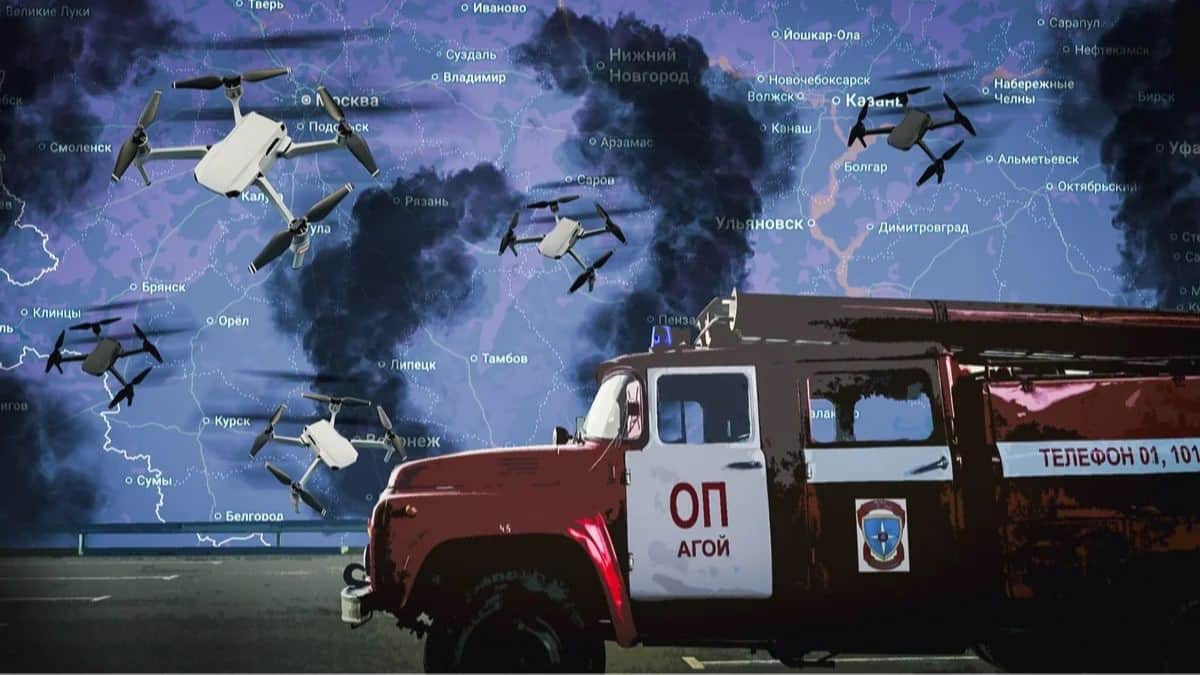
Ukraine has significantly stepped up its attacks on Russian cities and industrial sites in recent months, using long-range drones, Storm Shadow missiles supplied by the UK and France, as well as its own domestically developed Flamingo long-range cruise missiles.
Last week, Moscow Mayor Sergey Sobyanin said that Moscow had come under attack from the highest number of Ukrainian drones targeting the capital since the start of the war. Other Russian cities have also reported an increase in strikes.
What explains this rise — and where might Ukraine strike next? Novaya Gazeta Europe spoke to military analysts and experts about the growing number of drone raids and missile attacks on Russian territory.
A record wave
“Sobyanin reported around 250 drones intercepted over that weekend, either on approach to Moscow or at secondary defensive lines further out,” an analyst from the Georgia-based investigative group Conflict Intelligence Team (CIT) told Novaya Gazeta Europe, speaking on condition of anonymity. “That’s not just a record for this year, it’s a record for the entire war.”
Quite what the Armed Forces of Ukraine (AFU) hoped to gain by striking the Russian capital, however, is not entirely clear. “Given that Moscow is the most heavily defended area in Russia, and that none of the drones appears to have reached their targets, it’s difficult to say what exactly the objectives of the attack were,” the CIT analyst said.
“It may be about creating disruption — delays at airports, internet outages, a general sense of tension. Another potential objective could be tying up Russia’s air defence systems, so that any plans to redeploy them to less protected regions are abandoned. But without confirmed hits or even much footage of the drones, it’s hard to draw firm conclusions.”
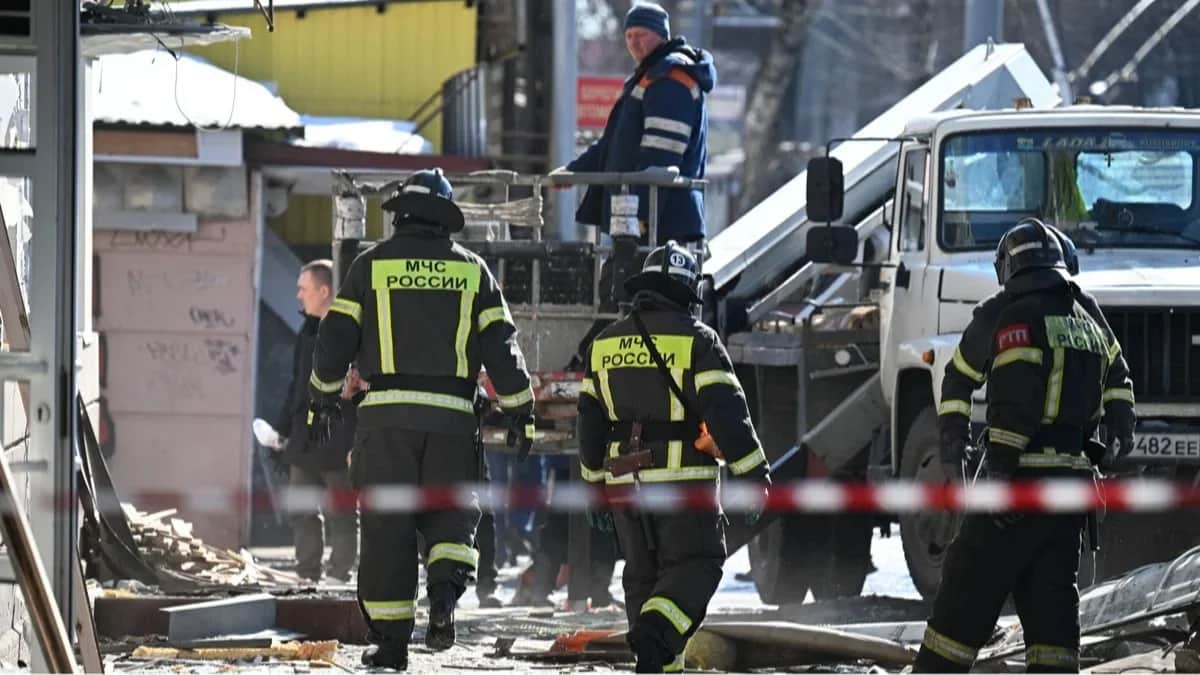
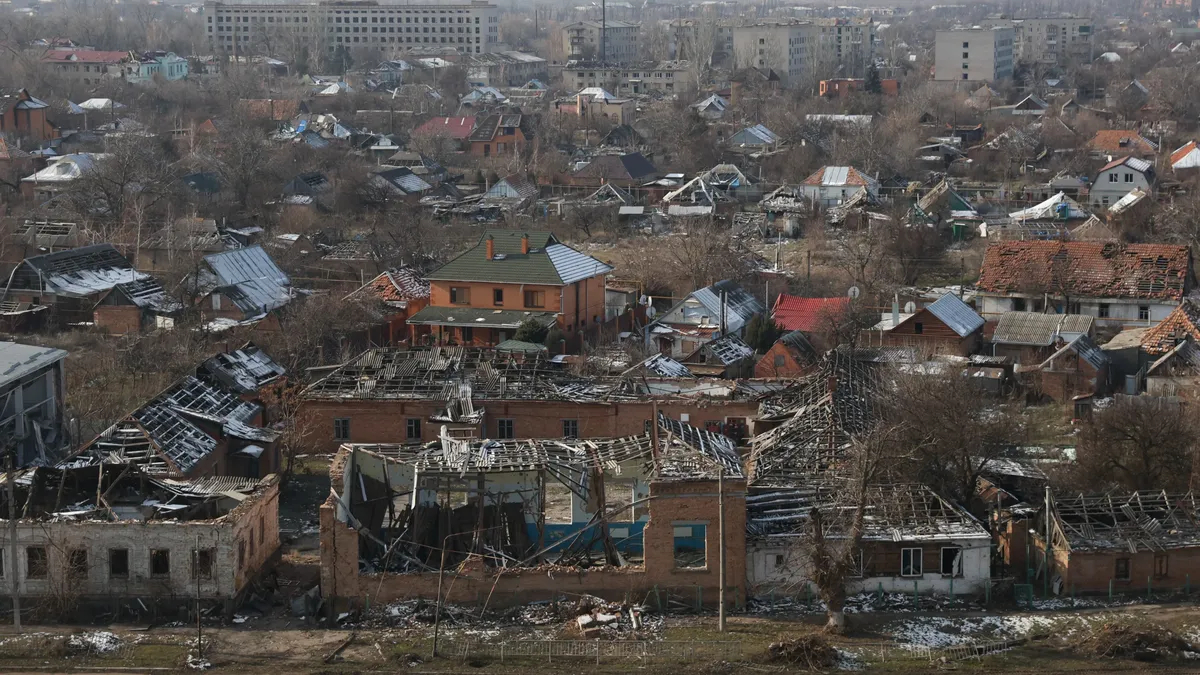
Municipal workers clear up rubble after the Ukrainian strike on the western Russian city of Bryansk, 11 March 2026. Photo: Maxim Blinov / Sputnik / Imago Images / Scanpix / LETA
According to Alexander Kovalenko, a military and political analyst with the Ukrainian group Information Resistance, Moscow is currently the best-protected region in Russia in terms of air defence, surrounded as it is by a dense, multi-layered system of anti-aircraft defences, and well supplied with equipment and ammunition. One of Ukraine’s objectives, he suggests, is to wear those systems down through frequent engagement.
“The aim is to exhaust Russia’s air defences and create shortages in anti-aircraft munitions,” Kovalenko said. “Judging by the reaction of pro-Kremlin military bloggers and propagandists, this is having an effect.” Ukraine is also seeking to gather intelligence, disrupt airport operations and inflict economic damage, he added.
“Large-scale attacks on Moscow are primarily intended to expose and exhaust the capital’s air defence systems,” said Roman Svitan, a Ukrainian military expert and retired colonel. “I wouldn’t be surprised if the next step is missile strikes that bypass the weak points identified by these drone raids.”
“At the same time, by concentrating additional air defence systems around Moscow, Russia is forced to pull them away from the front line or from other key sites — making those targets easier to hit.”
Intensifying strikes
“The escalation is primarily linked to the expansion of long-range drone manufacturing,” Svitan told Novaya Europe. “Storm Shadow and SCALP missiles are expensive, supplied in very limited numbers and are for use against fortified targets. Oil infrastructure and other energy facilities, by contrast, are usually targeted by drones.”
Ukraine is now producing a wide range of long-range strike drones in the hundreds each day, according to Ukrainian experts. Russia, Svitan argues, cannot fully protect its cities from these attacks. “Even a single city like Belgorod is constantly under fire,” he said. “Drones are effectively operating freely over much of European Russia.”
The choice of weapon depends on the target. “If Storm Shadow or SCALP missiles are available, it makes sense to use them,” the CIT analyst said, who gives the example of a recent Ukrainian strike on an important microelectronics plant in the Russian city of Bryansk , for which Storm Shadow missiles “were likely chosen as their technical characteristics made them more suitable. They may have a shorter range than Flamingo missiles, but in this case, that didn’t matter. They are more advanced, harder to detect and more resistant to electronic interference.”
At the same time, other strikes — such as an attack on a military plant in the city of Votkinsk in Udmurtia in central Russia in February — were carried out using Flamingo missiles, suggesting that the AFU is using a mix of systems depending on the situation. How far the escalation continues will depend on Ukraine’s own defence industry and the degree of support Kyiv continues to receive from its allies.
“The intensity of strikes depends entirely on available capabilities,” the CIT analyst said. “If there are enough weapons, the attacks will continue. But there’s a great deal of uncertainty — both regarding Western assistance and Ukraine’s own production capacity.”
The Ukrainian company behind the Flamingo missile previously claimed it could produce up to 200 missiles per month, though analysts say that level of output has not yet been observed. However, Ukraine’s production of long-range drones is now approaching — though not yet matching — that of Russia.
Ukraine is now deploying roughly twice as many drones as it did a year ago — even accounting for frequent overestimations by Russia’s Defence Ministry
Storm Shadow and SCALP missiles, Kovalenko noted, are highly sophisticated weapons that are difficult for air defence systems to intercept, making them suitable for heavily protected targets.
By contrast, the Ukrainian-made Flamingo missile is cheaper and simpler to produce, while offering greater range and a larger warhead. Ukraine is also developing more advanced systems, such as the long-range Neptune missile, capable of striking targets up to 1,000 kilometres away — though these require both significant resources and more time to manufacture. Closer to the front, Ukrainian forces are increasingly using drone platforms that carry several smaller FPV drones, typically operating within 20–30 kilometres of the front line.
Overall, analysts agree that the number of Ukrainian drone strikes on Russia has increased significantly. According to Kovalenko, Ukraine is now deploying roughly twice as many drones as it did a year ago — even accounting for what he describes as frequent overestimations by Russia’s Defence Ministry regarding the number of AFU drones it intercepts.
New objectives
“There is definitely an increase in strikes,” said Russian military researcher Kirill Mikhailov. “Priority targets include oil infrastructure — a key source of revenue for the Russian state — as well as defence industry facilities, particularly those producing explosives and missiles. These strikes also serve as a form of preemptive defence against Russian attacks on Ukraine.”
Attacks on energy infrastructure in the border region of Belgorod, he added, often come in response to Russian strikes on Ukraine’s own energy system. In the near future, energy assets — especially oil — are likely to remain a central focus for the AFU.
According to Svitan, rising global oil prices in light of the US-Israeli airstrikes on Iran, have made it even more important for Ukraine to limit the flow of revenue into Russia’s budget. At the same time, production facilities for drones and missiles used against Ukraine are also likely to be targeted.
A crater that was formed by AFU shelling of an electrical substation in the western Russian city of Belgorod, 12 March 2026. Photo: Andrey Borodulin / AFP / Scanpix / LETA
Despite earlier expectations, however, Ukraine’s missile production remains limited. Svitan notes that fewer than three Flamingo missiles are currently being produced per day, and the system has so far been used only a handful of times.
For now, the overall scale of deep strikes — attacks far inside Russian territory — has not fundamentally changed. “We’re not seeing a qualitatively new level yet,” the CIT analyst said. “It looks broadly similar to the past six months.”
Many strikes follow a pattern of retaliation. For example, an attack on Belgorod followed a large-scale Russian strike on the Kyiv region. “It’s almost a direct response cycle,” the analyst said. “If there’s an attack on Ukrainian energy infrastructure, there will almost certainly be a strike on infrastructure in the Belgorod region later the same day.”
“I would not rule out that by 2027, many Russians — including those in Moscow — may find themselves seeing the New Year in by candlelight.”

At the same time, there has been a shift in targeting. Compared with the second half of last year, there are fewer AFU strikes on Russian oil depots and refineries. Instead, attacks are now aimed more at defence industry factories including chemical plants and missile production facilities.
“The focus appears to have shifted,” the analyst said. “Previously, it was oil infrastructure; now it seems to be the defence sector. But this could change again later in the year.”
“Strikes on Russian territory will continue to scale up,” says Kovalenko. “In 2026, they will be more intense than in previous years. I would not rule out that by 2027, many Russians — including those in Moscow — may find themselves seeing the New Year in by candlelight.”
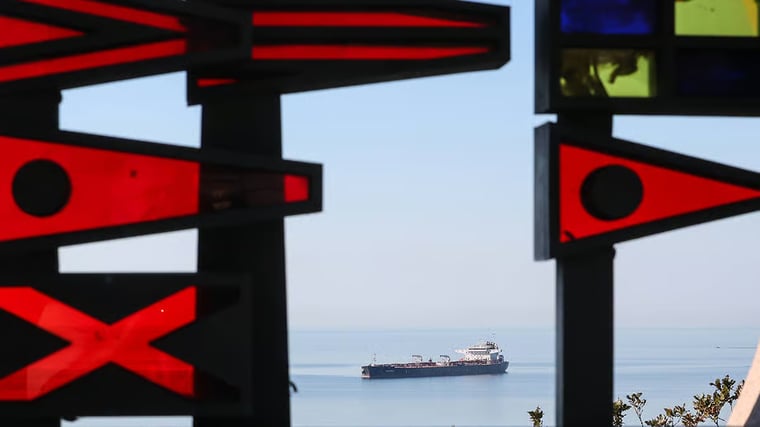
“The range of targets will expand,” he continues. “Ukraine is likely to intensify strikes on oil infrastructure, gas transport systems and industries that generate revenue for the Russian state.”