By the third day of their unprecedented airstrikes, the Israeli and US militaries had already attained almost total aerial superiority over Iran, whose entire air defence network, built mainly from systems purchased from Russia and China, was neutralised and left unable to counter the relentless bombardment.
At the same time, the Tehran regime is continuing to strike its neighbours with missiles and drones. Novaya Gazeta Europe asked various military analysts about the remaining military options Iran has at its disposal, and how likely it is that they could be used effectively in the conflict.
Procurement programme
The first major purchase of Russian weapons by the Tehran regime took place in the mid-2000s, when an agreement was signed for Moscow to supply its Iranian partners with short-range Tor-M1 air defence systems, which are used at altitudes of up to 10km and distances of up to 12km to protect troops and military facilities from low-flying targets.
Russian-made S-300 medium- and long-range anti-aircraft missile systems (AAMS) are key tools used by the Iranian military to defend the country’s airspace that are used to intercept enemy aircraft, cruise missiles and warheads at a distance of up to 200 kilometres. Tehran first agreed to buy them from Moscow in 2007, with the deliveries themselves being completed in the mid-2010s.
According to a report published by German public broadcaster Deutsche Welle last month, in December Iran signed a procurement deal with Russia that would see it purchase 500 Verba mobile launchers and approximately 2,500 9M336 portable anti-aircraft missiles from Russia for €500 million. The contract is to be fulfilled within three years. Journalists believe that Tehran approached Moscow with a request to purchase portable missiles in July last year after Israel and the US struck Iran's nuclear facilities.
“In January 2026, evidence surfaced that Iran was also in possession of up to six Russian Mi-28 attack helicopters, which Iranian pilots already appear to be mastering in the skies over Tehran.”
In an article published in digital publication Carnegie Politika on Saturday, Iran expert Nikita Smagin noted the increase in Russian arms supplies to the Islamic Republic in recent years, adding that Tehran had purchased its first combat training aircraft, armoured vehicles, small arms and attack helicopters from Moscow.
“In 2023, for example, Tehran received its first Yak-130 trainer jets from Moscow, which Iranian pilots have been using for the past two years,” Smagin wrote, adding, "It would appear that more of these aircraft were delivered in 2025: an An-124 military transport aircraft made at least four flights last year to Tehran from Irkutsk, where the Yak-130 is produced. In addition, new details emerged last fall about the contract to supply Su-35 fighter jets: forty-eight aircraft are to be delivered by Russia in 2026–2028.”
“In January 2026, evidence surfaced that Iran was also in possession of up to six Russian Mi-28 attack helicopters, which Iranian pilots already appear to be mastering in the skies over Tehran.”
Iranian medium-range Nazaat missiles during the annual Army Day celebrations at a military base in Tehran, Iran, 17 April 2024. Photo: Abedin Taherkenareh / EPA
S-300 and Tor air defence missile systems
“Iran has many different types of weapons, including cruise missiles, ballistic missiles and long-range drones,” Israeli military observer David Sharp tells Novaya Europe. "When it comes to air defence systems, Iran also has old Western systems that have been modernised.”
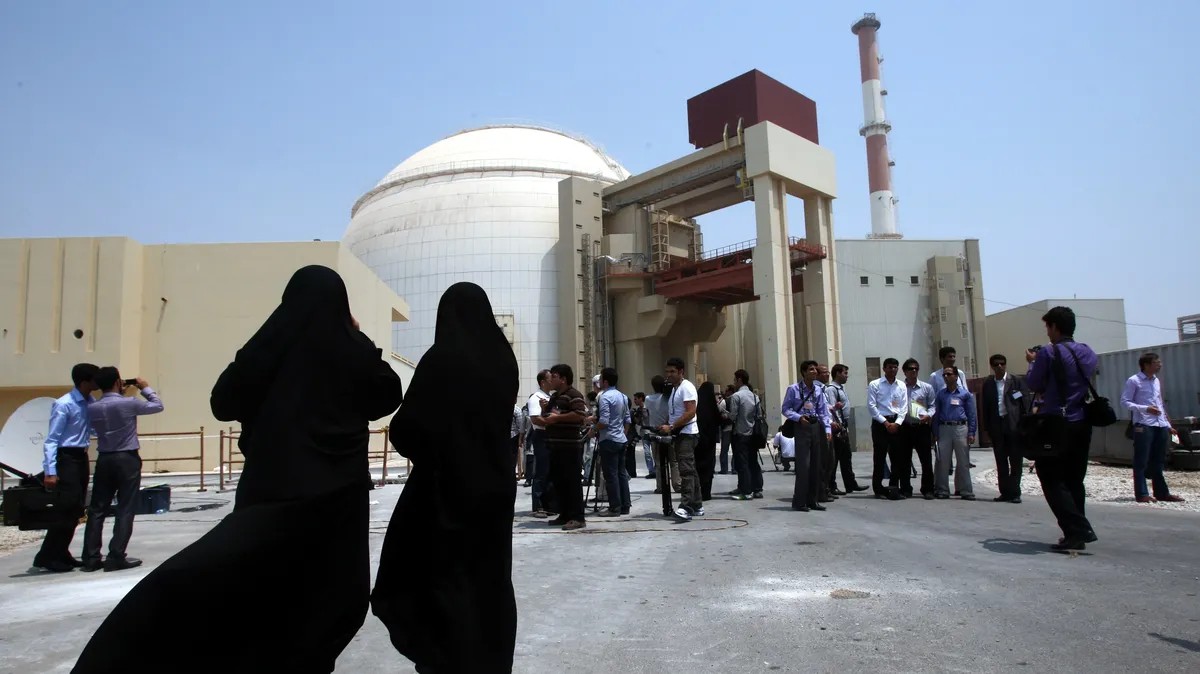
“However, until the 12-day war of 2025, the backbone of Iran's air defence was four S-300 PMU-2 divisions purchased in the previous decade, Tor air defence systems delivered more than 15 years ago, as well as radars and other equipment necessary for detecting flying targets.”
“But all these S-300s were destroyed in June 2025 by Israeli saboteurs and aircraft and did not become a serious factor in the hostilities. Both last summer and now, Iran's air defence has failed to achieve any success.”
The Russian air defence systems never had a chance to prove themselves. They were blown up by Israeli special forces in the summer of 2025.
Sergey Migdal, a security expert and former employee of the Israeli special services and police, told Novaya Europa that Iran still had American HAWK air defence systems that date from the time of the Shah's rule in the 1970s.
“The Iranian Air Force also had several old American F-14, F-4 and F-5 Phantom fighter jets. Most of them were destroyed by the Israeli Air Force during the 12-day war. But the remnants are now being finished off at airfields.”
In the field of air defence, the Iranians relied on Russian S-300s. There was also information that the Iranians had been given one S-400 Triumph division. Chinese systems similar to the Russian ones were also purchased. But all of this has already been destroyed.
According to Migdal, the Russian air defence systems never had a chance to prove themselves. They were blown up by Israeli special forces in the summer of 2025. The radars, which the Iranians have managed to get working to date, are being attacked by the Israelis and Americans with special HARM anti-radar missiles that home in on enemy radar stations.
Missiles and drones
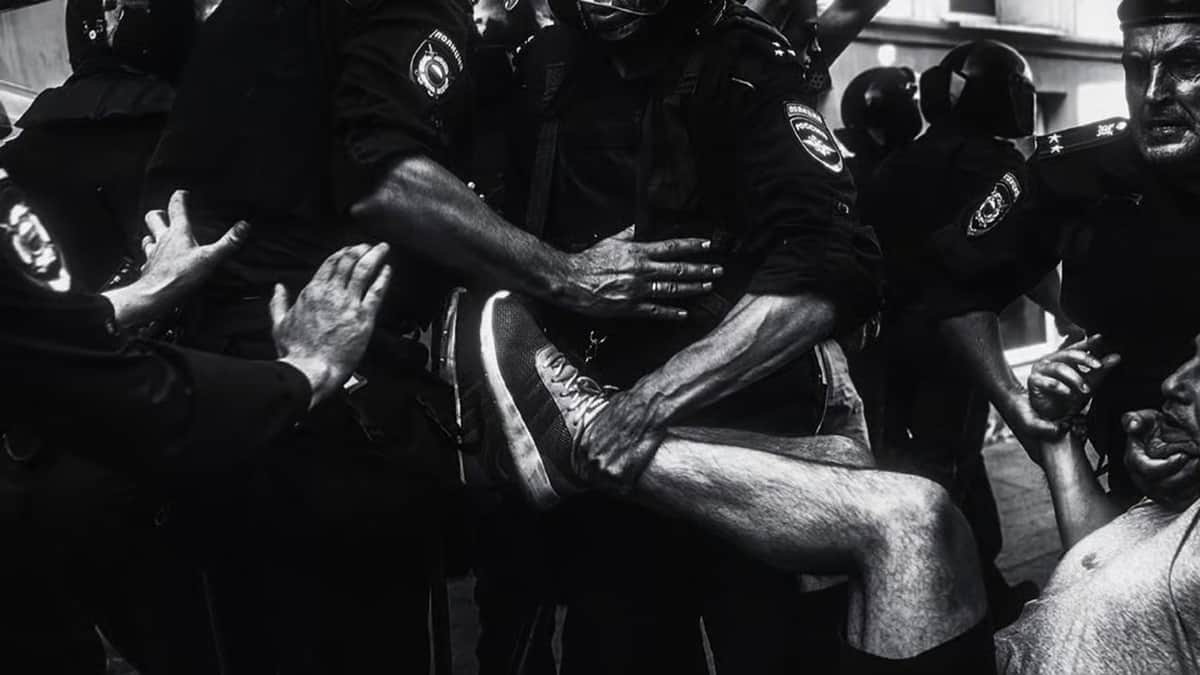
Expert David Sharp also talks about the delivery of Mi-28 attack helicopters and Spartak armoured vehicles, which were used to disperse protest demonstrations. In addition, according to Sharp, Iran has already received Yak-130 combat training aircraft. There were also rumours about the delivery of Su-35 fighter jets, but it appears that Russia did not manage to deliver them in time.
According to David Sharp, a lot of Chinese weapons are being supplied to Iran. In most cases, these are licensed productions of Soviet and Russian weapons, including air defence systems and missiles.
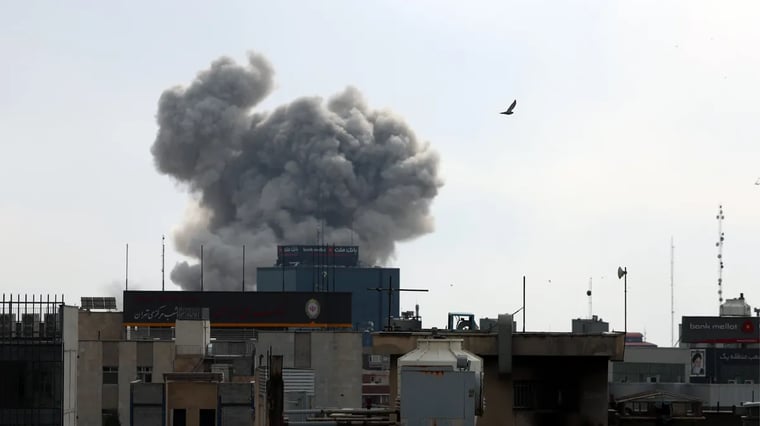
“The fact that there were no large-scale attacks on the night of 2 March may already indicate that Iran is either running out of weapons or those who are ready to use them.”
“The Russians sold Iran 12 or 14 Mi-28 helicopters,” says Sergei Migdal. “Theoretically, they can shoot down allied drones. But in practice, nothing is known about this yet. Drones can also be shot down with Verba MANPADS, several dozen of which were brought to Iran by the Russians as part of a deal for a future large delivery. But nothing is known about their use in the ongoing war either.”
Sergey Migdal claims that Iran still has tens of thousands of missiles and drones that can be used to attack neighbouring countries. And hundreds of missiles capable of reaching Israel.
“Arms production facilities are being actively attacked by Israeli and US aircraft,” Sharp told Novaya Europe. "However, Iran still has extensive stockpiles of missiles and drones of various ranges. In fact, there may be tens of thousands of drones in storage. However, the fact that there were no large-scale attacks on the night of 2 March may already indicate that Iran is either running out of weapons or those who are ready to use them.”