Suspected shooter of Russian military intelligence deputy head named and charged with attempted murder

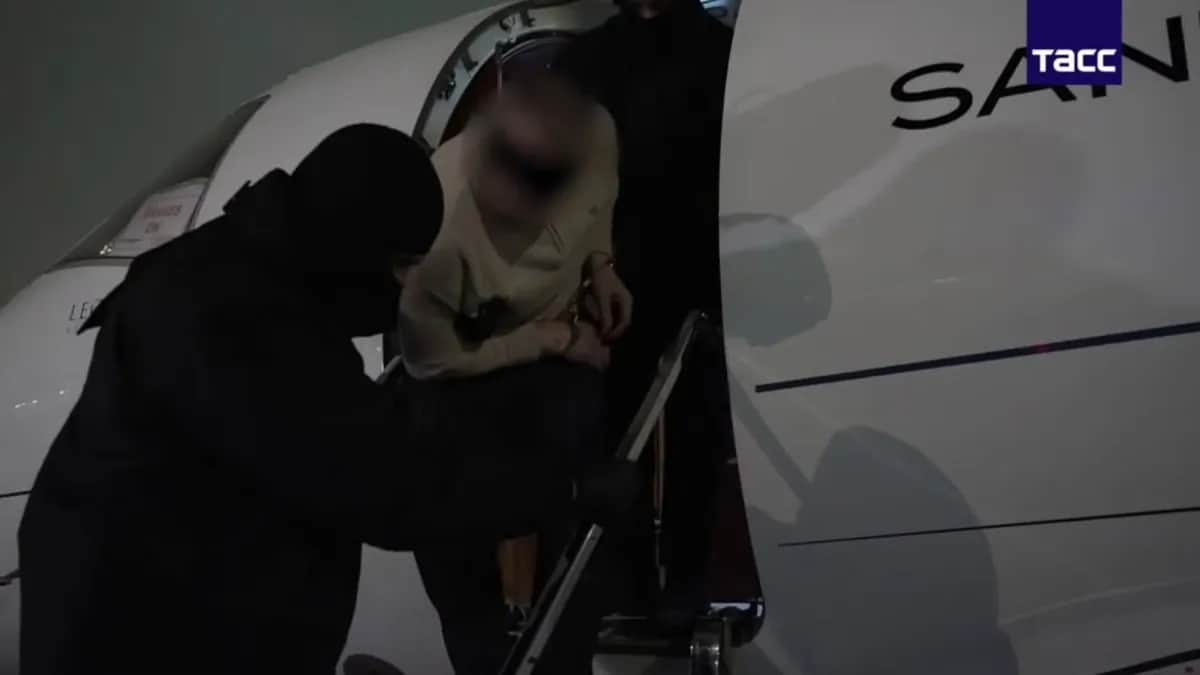
Russia’s Federal Security Service (FSB) has named the individual it suspects of attempting to assassinate the deputy head of Russia’s GRU foreign military intelligence agency in Moscow on Friday morning as Lyubomir Korba, TASS reported on Sunday.
According to the FSB, Korba was detained with the assistance of UAE law enforcement agencies in Dubai on Saturday, having fled there immediately after shooting Lieutenant General Vladimir Alekseyev three times outside his apartment on Friday.
After being flown back to Moscow on Saturday, Korba was arraigned by a Moscow court and charged with Alekseyev’s attempted assassination, Russian business daily Kommersant reported.
Though the Russian security services are still trying to establish who ordered the hit, Korba is believed to have had two accomplices on the ground, the FSB said. One of them, whom it named as Viktor Vasin, has already been detained in Moscow, while another, Zinaida Serebritskaya, apparently fled to Ukraine after the attack and is still at large. All three suspects are Russian citizens.
Russia’s Investigative Committee said that Korba had arrived in Moscow in late December “on assignment for the Ukrainian special services” to carry out a terror attack, and confirmed that he was being investigated for attempted murder, illegal trafficking of firearms, and the attempted murder of a military serviceman.
According to leaked information from the investigation, Korba was born in the western Ukrainian city of Ternopil in 1960, and was listed on the city’s electoral roll as recently as 2014. However, Korba was also a legal resident of Moscow who held a Russian driving licence.
Russian Foreign Minister Sergey Lavrov publicly blamed the Ukrainian intelligence services for the attempted assassination on Friday, calling it a “terrorist attack” that he said “confirmed the Zelensky regime's intention … to disrupt the negotiation process”.
Nevertheless, several Western officials have cast doubt on that version of events, suggesting that Kyiv would have been unlikely to risk angering US President Donald Trump by carrying out such a high-level killing while US-brokered peace talks were ongoing.