After the allied powers granted Italy less territory than he thought acceptable at the end of World War I, poet and Italian war hero Gabriele D’Annunzio described his feeling of betrayal as a vittoria mutilate — a mutilated victory.

Jonas Heins
MA in European and Global Studies at University of Padova, Italy
The term quickly caught on with Italian nationalists, who in 1919, under the leadership of D’Annunzio, seized the Adriatic port city of Fiume claiming that their wartime sacrifice had been squandered by unjust peace terms and weak political leaders. The narrative of a nation betrayed also led to the creation of the fascist movement by a young Benito Mussolini in Milan, which converted popular disillusionment into violent action and, ultimately, political power.
Today, almost four years after Moscow’s full-scale invasion of Ukraine began, Western leaders continue to speak with optimism about a putative peace settlement that would end the Russian war in Ukraine. But while in the West peace is treated as a technical issue of territorial lines and security guarantees, the domestic implications for Russia appear to be less of a consideration, possibly coming back to haunt us in the near future.
Should Vladimir Putin accept a peace deal that falls short of his professed objectives in Ukraine, he risks triggering a moment analogous to Italy’s 1919 mutilated victory. Having alienated ultra-nationalists, disaffected veterans and experienced soldiers, the current Russian government might find itself embroiled in a new power struggle, leading not only to domestic, but also to further international instability.

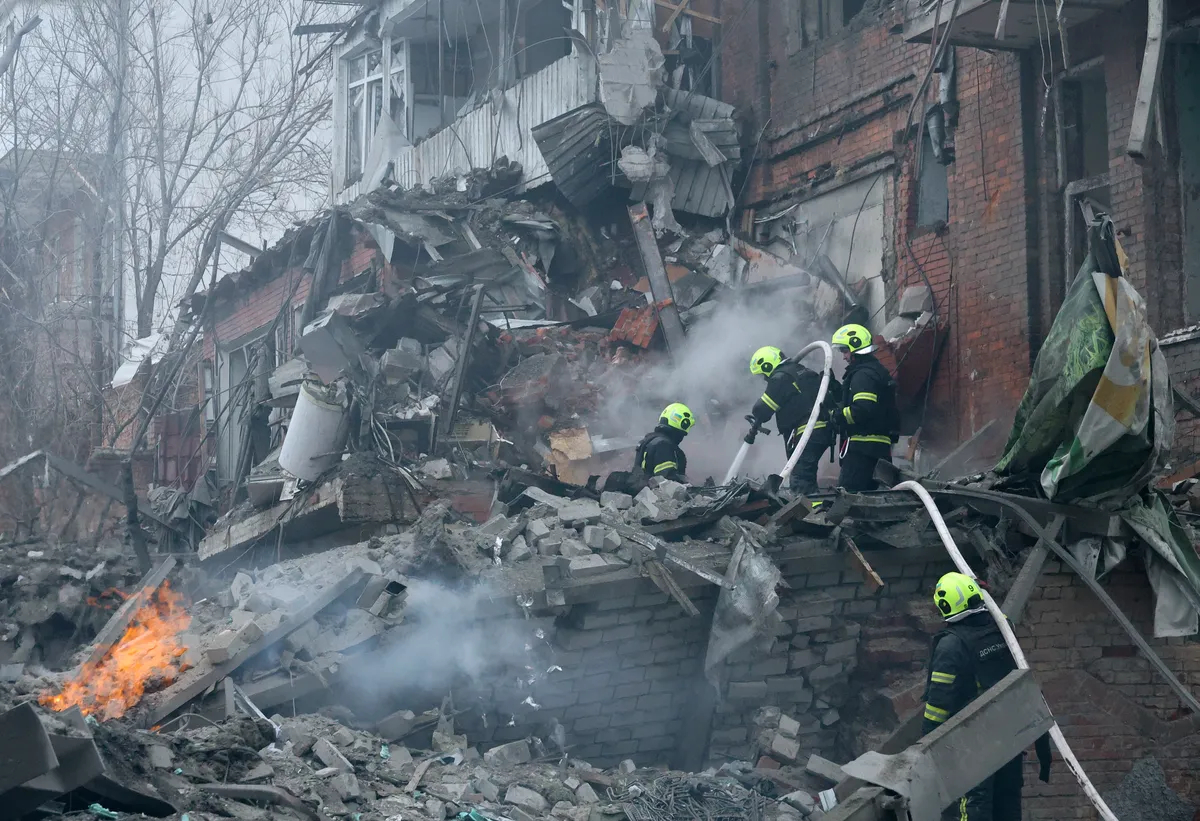
Rescue workers put out fires following a Russian airstrike on a residential area of Kharkiv, northeastern Ukraine, 2 January 2026. Photo: EPA / SERGEY KOZLOV
When Italy’s leadership failed to secure the territories of Fiume and Dalmatia after World War I, Italian nationalists and veterans considered this a denial of their sacrifice, quickly cementing the myth that the negotiated peace was possibly worse than no peace at all. It is precisely this sentiment that Mussolini and his fascist movement would later channel into their authoritarian ideology built on strength and aggression as national renewal, while rejecting the idea of compromise and peace.
Fascism could never be content with the peace that ensued after millions of young men had already lost their lives in the trenches of World War I. Where nationalist and veteran identities are indistinguishable from victory, the dangers of delegitimising negotiated outcomes loom over unfavourable peace settlements.
In our times, Putin has declared maximalist goals for his invasion of Ukraine, and the Kremlin has publicly maintained the illusion that a total victory over Kyiv is inevitable, while Ukrainian President Volodymyr Zelensky continues to insist that any peace settlement should align with Ukrainian sovereignty.
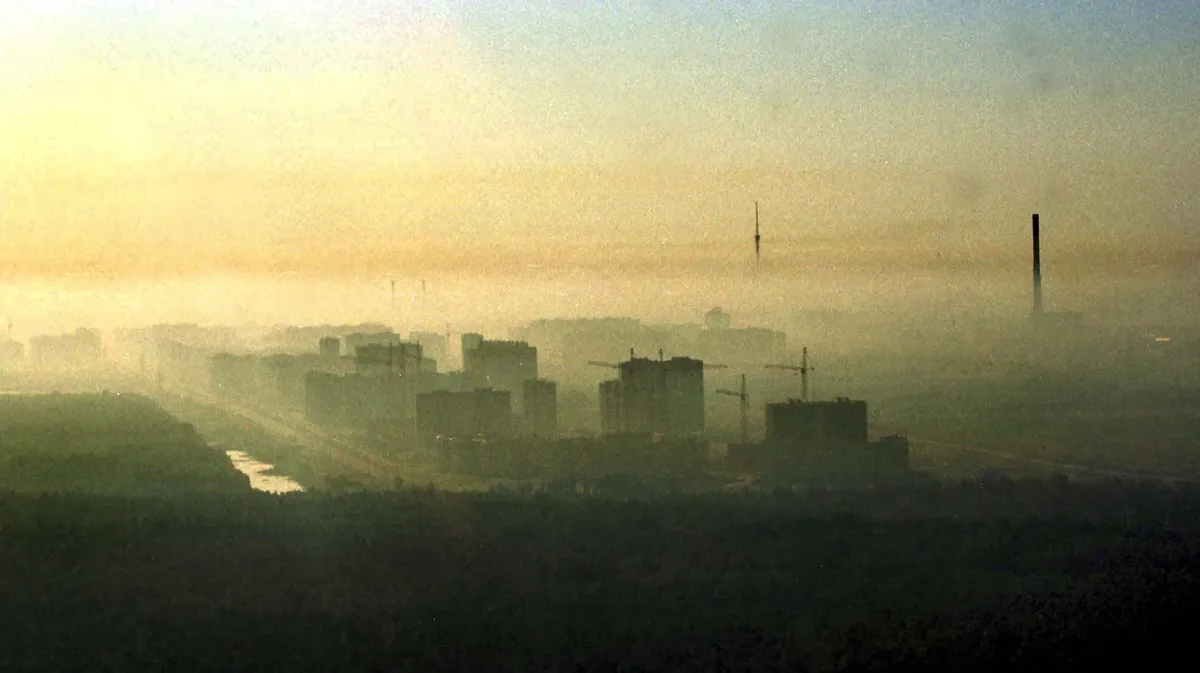
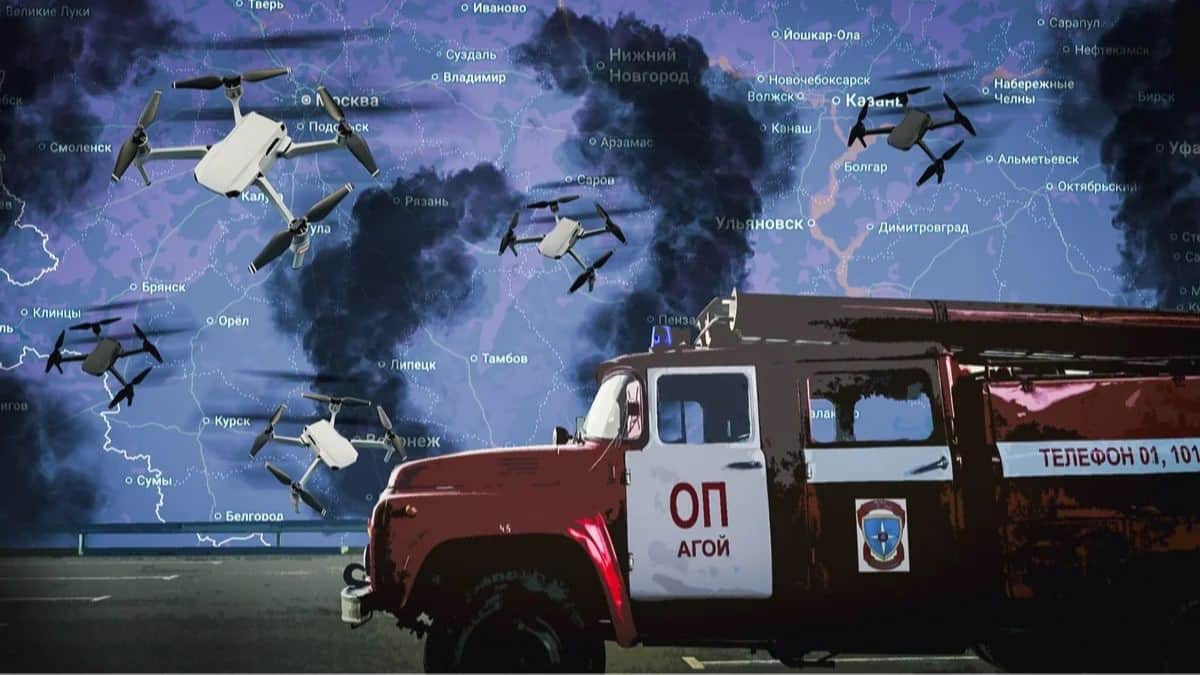
Russia’s progress on the battlefield is slow, however, and involves its forces making slow gains at agonising cost while subjecting Ukrainian civilians to an unrelenting barrage of missiles and drones. The disconnect between the maximalist propaganda and the reality on the frontlines is a fertile breeding ground for war fatigue and frustration among Russia’s forces, who, while Putin might claim to have achieved a version of victory in peace negotiations, may not see such an outcome in quite the same light.
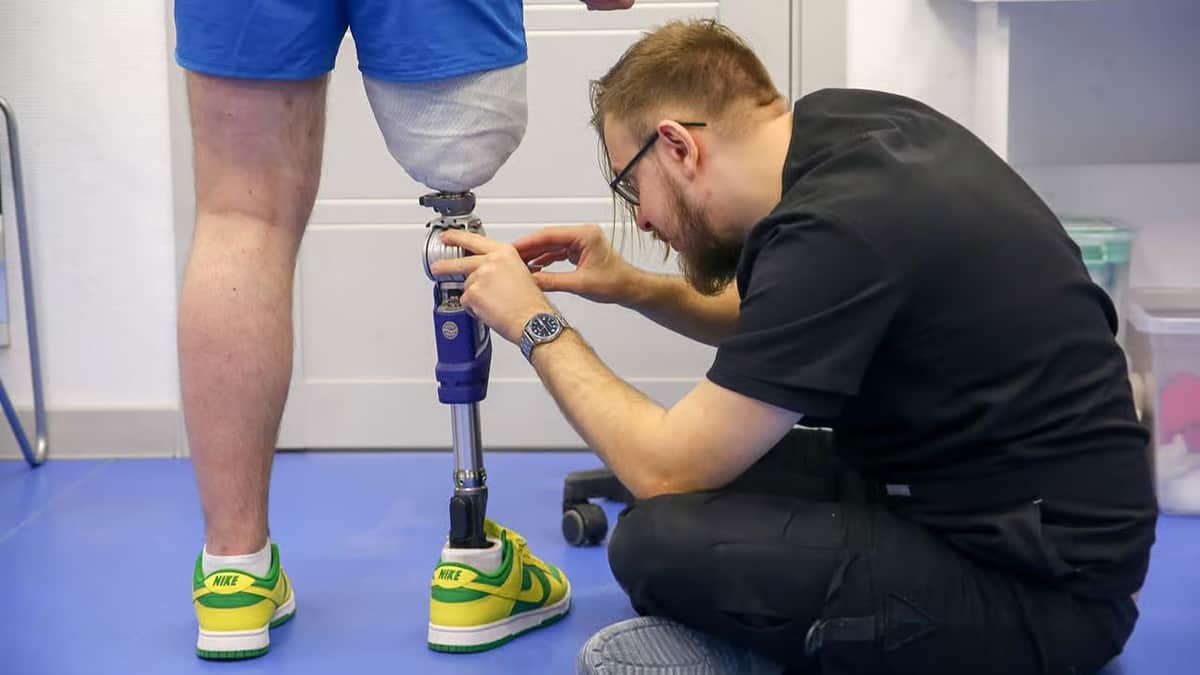
Russia’s war against Ukraine has already left Russian society with no shortage of veterans, including those who were granted early release from prison after enlisting to fight in Ukraine, despite having been convicted of serious violent crimes. Given the lack of social care in Russia, many of these veterans are unable to reintegrate into society.
Lest we forget, frustration at the Kremlin’s leadership led the mercenary Wagner Group to mutiny in 2023, when the group’s co-founder Yevgeny Prigozhin led his forces on a march towards Moscow, exposing serious rifts within the Russian military high command and underscoring that even Putin’s grip on power demands careful balancing.
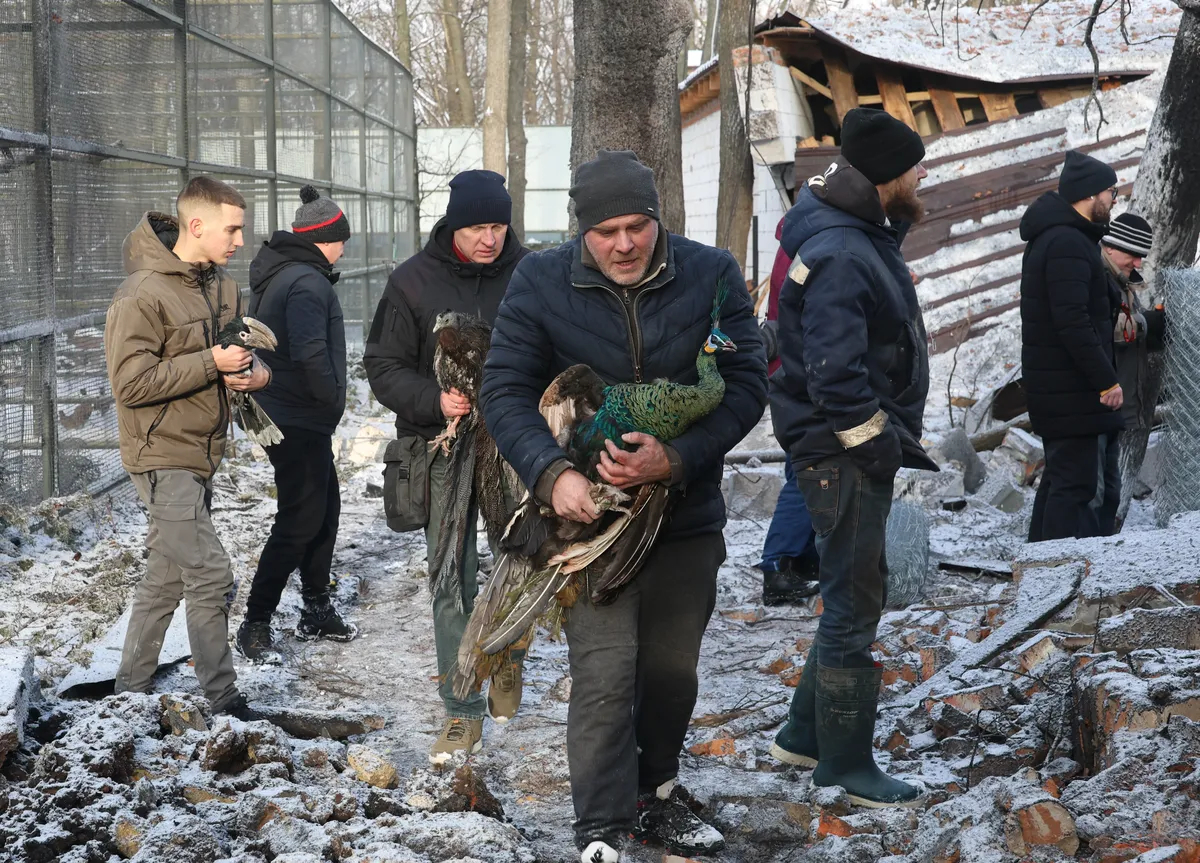
Staff members remove birds from a damaged aviary at the Feldman EcoPark in Kharkiv following a Russian glide bomb strike, 1 January 2026. Photo: EPA / SERGEY KOZLOV
Prigozhin was not the only pro-war Russian exasperated at the Kremlin’s military campaign in Ukraine. Imprisoned, but with a large online audience, Igor “Strelkov” Girkin, a former Russian-controlled militia commander in both Donbas and Crimea, continues to excoriate the Kremlin from the comfort of his prison cell, where he ended up after apparently believing that his ultranationalist stance would allow his criticism of the regime to go unpunished.
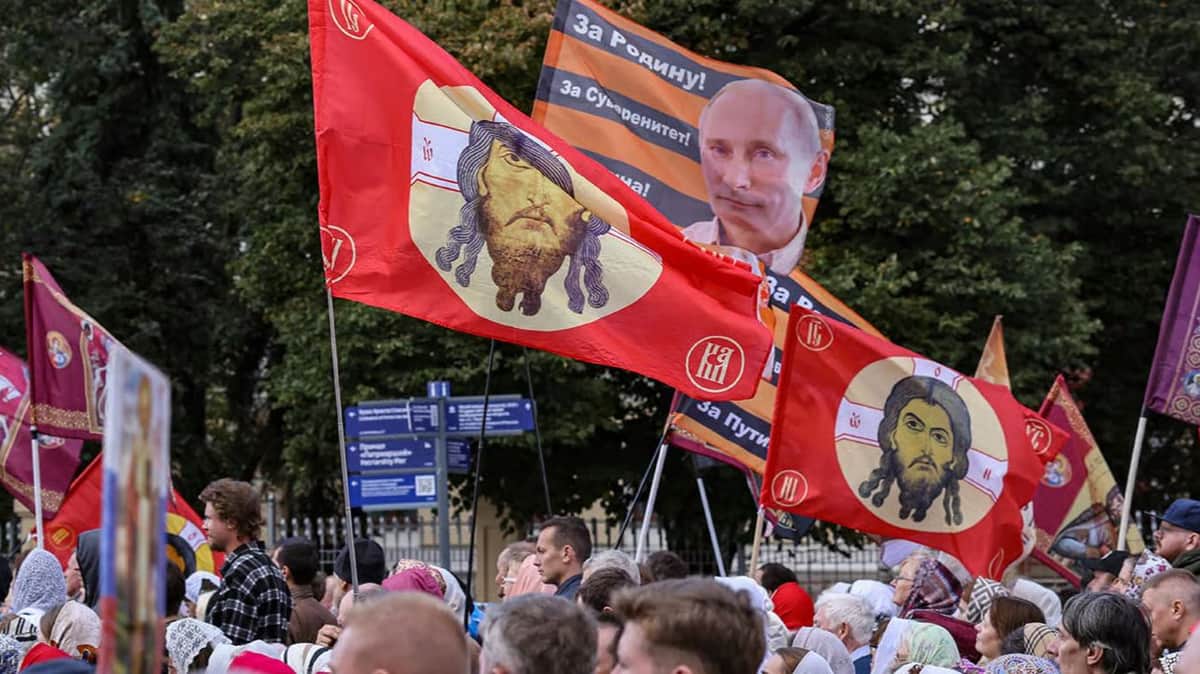
A peace deal that falls short of Russia’s maximalist aims, no matter how much the Kremlin touts it as a victory, is likely to infuriate a potent combination of veterans, radicals, and frustrated nationalists — a potentially explosive force ripe for exploitation by a populist movement echoing the experience of early 20th-century Italy.
With the experience of post-World War I Italy in mind, policymakers in the West must avoid an outcome that would allow the Kremlin to claim any sort of victory without having truly won the war. A negotiated settlement that merely freezes the conflict while Russia occupies swathes of Ukrainian territory and holds Ukraine’s people hostage is precisely the kind of mutilated victory history warns against.
The continuation and even increase in Western military support for Ukraine is no mere moral or legal imperative, it is a strategic one.
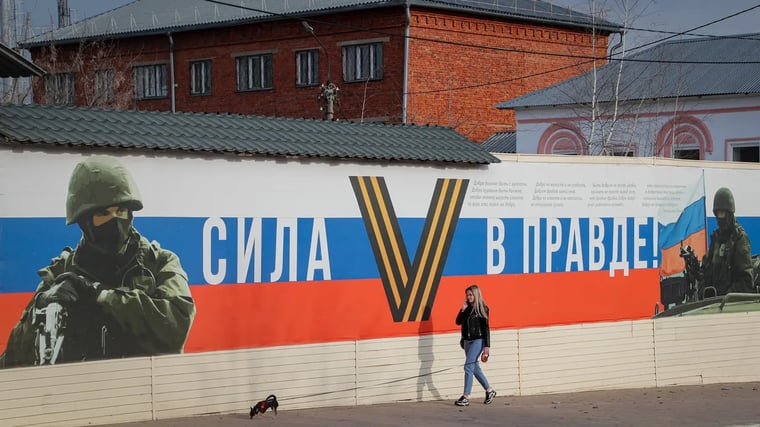
Such an outcome would leave Russia neither credibly victorious, nor decisively defeated, opening the gates for ultranationalists and hardliners to contest Putin’s approach, perhaps violently so. With this in mind, the more stabilising outcome would be a clear Russian loss on the battlefield rather than a premature peace, unless Ukraine itself sues for it. Though this would be painful for Russia, it would also narrow the scope for nationalist myth making.
Therefore, the continuation and even increase in Western military support for Ukraine is no mere moral or legal imperative, it is a strategic one, as enabling Kyiv to profoundly undermine Russia’s military capabilities would make it far less likely that post-war Russian politics falls prey to the narratives of betrayal peddled by frustrated nationalists.
Of course, this is by no means an argument for endless war in Ukraine, every day of which carries a terrible human cost. This is, however, an argument against the half-measures being employed prematurely and which only serve to prolong instability.
A conflict ending inconclusively, seeing thousands of Russian soldiers return home with more grievances than answers and a leadership unable to reconcile its rhetoric with reality, is more likely to produce future aggression than a war ending with a clear outcome. It is imperative that Russia does not claim victory over Ukraine in any form, be it triumphant or mutilated.
Supporting Ukraine for as long as it takes to bring about a Russian defeat will be costly, although for countries other than Ukraine that cost is financial rather than one measured in blood, and history shows that the cost of stopping short could be far greater.
Views expressed in opinion pieces do not necessarily reflect the position of Novaya Gazeta Europe.
Join us in rebuilding Novaya Gazeta Europe
The Russian government has banned independent media. We were forced to leave our country in order to keep doing our job, telling our readers about what is going on Russia, Ukraine and Europe.
We will continue fighting against warfare and dictatorship. We believe that freedom of speech is the most efficient antidote against tyranny. Support us financially to help us fight for peace and freedom.
By clicking the Support button, you agree to the processing of your personal data.
To cancel a regular donation, please write to [email protected]