Now or never
If Europe can come together to end the war in Ukraine, it will also be able to strengthen its position on other key fronts

24th MECHANISED BRIGADE PRESS SERVICE
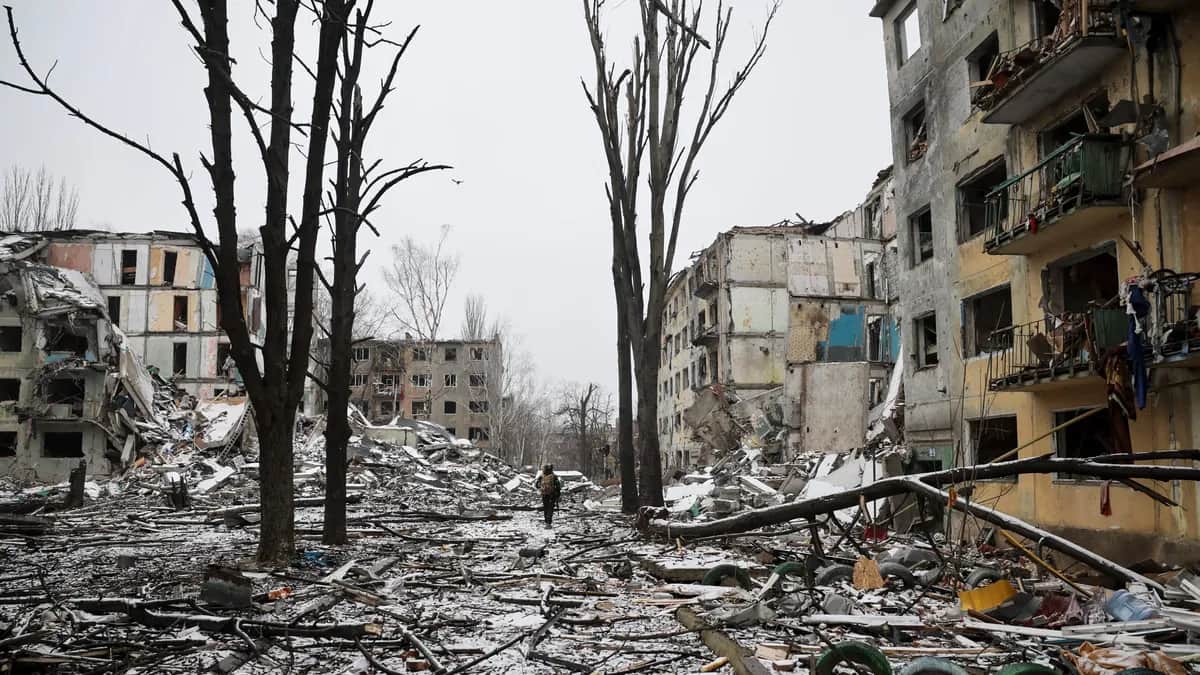
It is past time that Europeans get serious about Ukraine. With Vladimir Putin posing the greatest threat to European security since the end of the Cold War, the stakes are clear. US President Donald Trump’s approach to the issue has rightly terrified European leaders, but rather than proactively defending their interests, they have spent most of their energy reacting to events and attempting damage control.
On the diplomatic front, Putin’s strategy is to “keep the Europeans out, Americans in, and the Ukrainians down”.
Meanwhile, Putin’s sacrifice of Russian blood and treasure shows that he remains firmly committed to the war effort. Now that he has rewired the machinery of state and the broader economy for conquest, Russia produces several times as much ammunition as Ukraine every year. It can outproduce Ukraine in drones, and it is introducing new technologies, like glide bombs, that are difficult to defend against. And on the diplomatic front, Putin’s strategy to “keep the Europeans out, Americans in, and the Ukrainians down”, to quote a Russian close to the regime who spoke to me anonymously, is paying off, judging by Trump’s increasing pressure on Zelensky to accept unfavourable terms.
Most importantly, the Ukrainian public, which has shown incredible bravery since the very first hour of the war, may now be approaching the limits of what it can tolerate. Military aid, in dollar terms, to Ukraine fell by 43% in July and August this year, and the Ukrainian army is facing acute manpower shortages amid growing public resistance to conscription. Moreover, the country’s domestic politics are in turmoil, owing to a corruption scandal that has toppled Zelensky’s powerful chief of staff, Andriy Yermak.
Even if Europeans manage to avert the worst-case scenario in the near term, they should be thinking about how they can prevent disaster in the longer term. Rather than only preparing for the next horror show from Steve Witkoff and Kirill Dmitriev, the US and Russian envoys, respectively, they should be drafting their own plans and making it clear that they are the true party of peace.
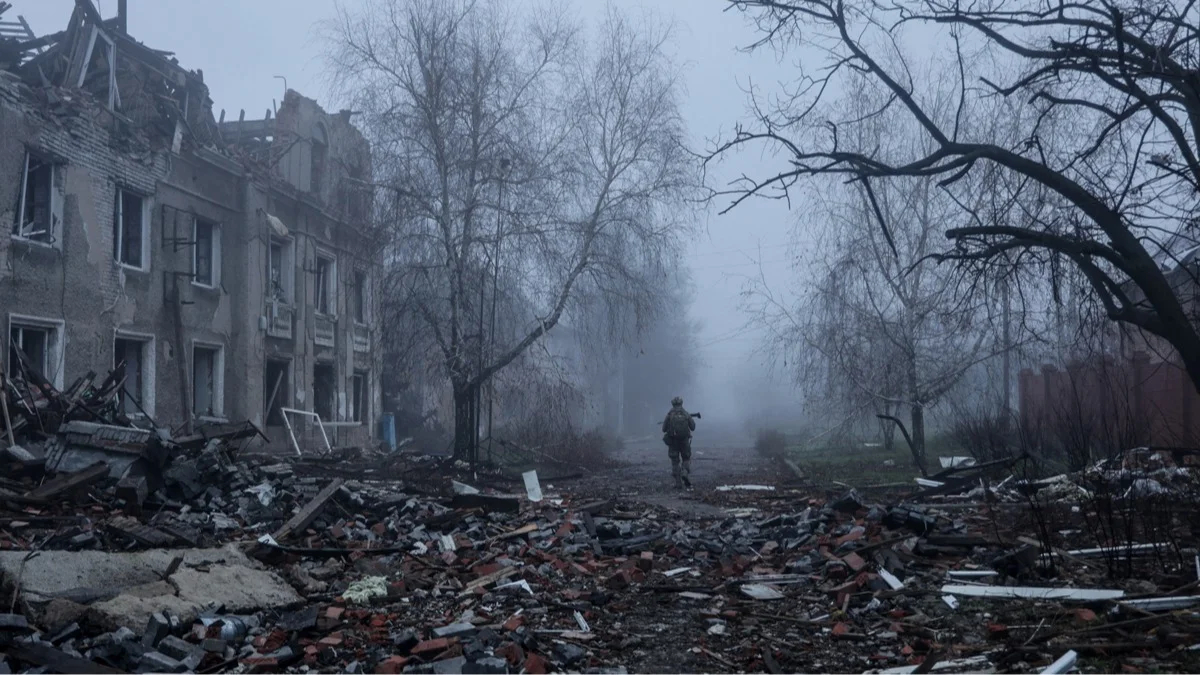
The first step is to mobilise Russia’s frozen assets, which are sufficient to provide Ukraine with financial support for at least the next two years. This is the main source of European leverage over both Russia and the US, and even Ukraine, but unedifying arguments with Belgium, where the funds are technically held, on the issue have made Europe look bungling and weak, and ultimately resulted in Europe failing to reach a deal on using Russian funds on Thursday.
Once fresh loans to Ukraine are in place, European leaders should not squander their momentum. The Ukrainians cannot sustain many more months, let alone years, of attritional war. They must ask themselves how they want the war to end. What, realistically, is the best-case outcome for next year?
For Europe, getting serious means high-level discussions about what credible security guarantees could look like. At a minimum, there will need to be a snapback mechanism for sanctions, financing, and weapons deliveries in the event that Russia attacks again. At the same time, Europe must be willing to talk to the Russians directly, especially if Trump tires of the process and walks away.