Russian human rights activist who revealed cases of prison torture arrested for treason

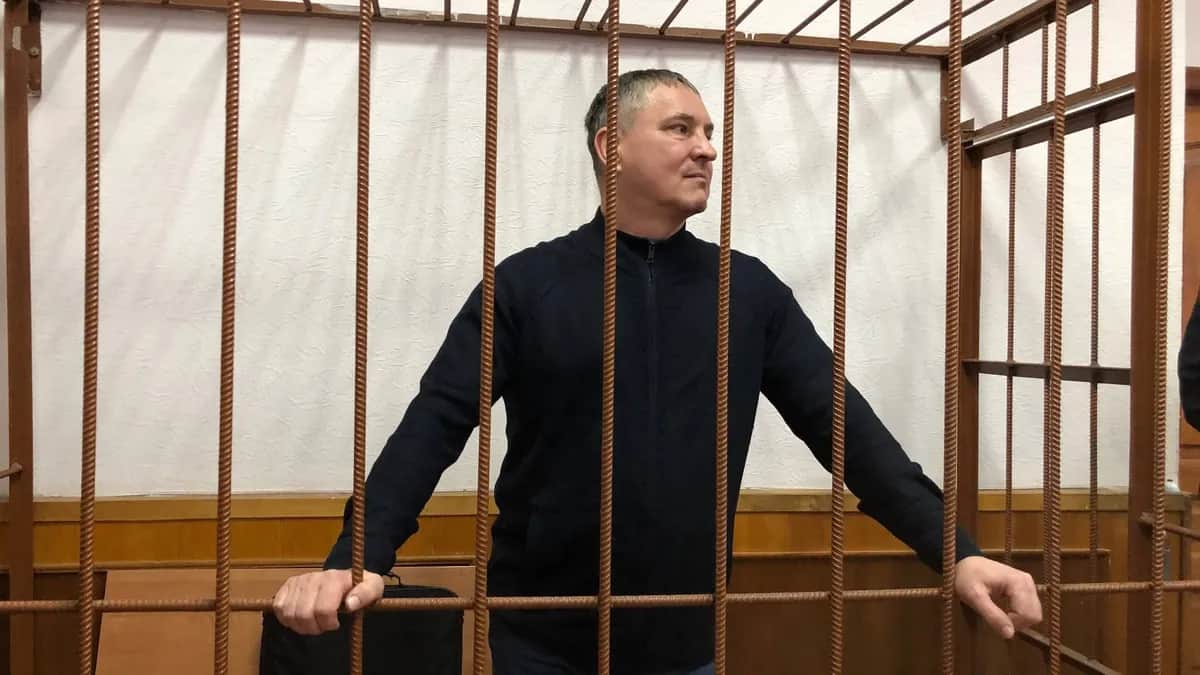
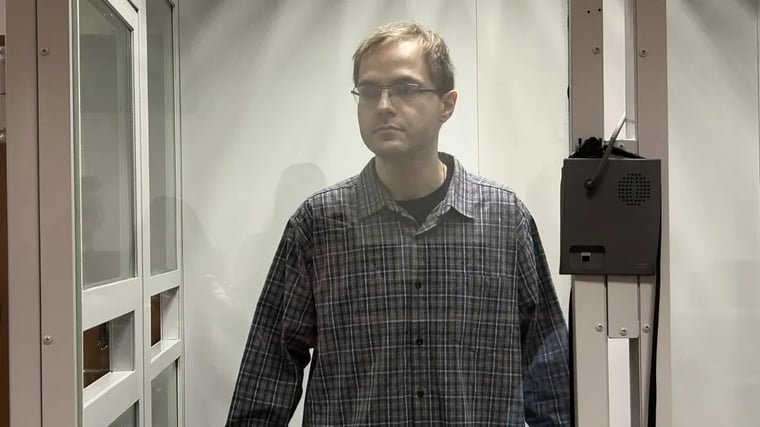
A court in the city of Yekaterinburg has remanded Russian lawyer and human rights activist Alexey Sokolov in custody on charges of treason, independent news outlet Mediazona reported from court on Thursday.
Sokolov, 52, is a prominent human rights lawyer who, in 2005, founded the non-governmental organisation Pravovaya Osnova, which provides legal aid to prisoners and seeks to expose abuse within the Russian penal system, and has represented victims in complaints taken to the UN Committee Against Torture.
While the hearing was held behind closed doors, members of the public were permitted to be present in court when its ruling was announced. Sokolov told supporters that he had been charged with treason for revealing instances of torture and human rights violations within the Federal Penitentiary Service, “including to foreign organisations”.
According to investigators, Sokolov posed a “security threat” to the Russian state, Mediazona reported. Treason charges in Russia carry a maximum sentence of life in prison.
On Monday, Sokolov and two other lawyers from the Ural Human Rights Defenders project, a prisoner advocacy group, Roman Kachanov and Larisa Zakharova, had their homes searched as part of an investigation into their involvement in an unspecified “undesirable” organisation.
According to the authorities, the defendants had obtained grants from the Norwegian Helsinki Committee and the National Endowment for Democracy, a US-based private nonprofit foundation, both of which have been declared “undesirable organisations” in Russia, to carry out human rights activities in detention facilities. Kachanov and Zakharova were both placed in pretrial detention on Wednesday.
Earlier this month, Mediazona said that Sokolov was also being tried for “repeatedly displaying extremist symbols” for links to Facebook in posts on his Telegram channel. Russia designated Facebook’s parent company Meta a “terrorist and extremist” organisation in 2022. Sokolov told Mediazona that the links to Facebook had only been added to his posts once the authorities had access to his mobile phone.