Russia’s Central Bank to sue Euroclear as EU weighs up reparations loan to Ukraine

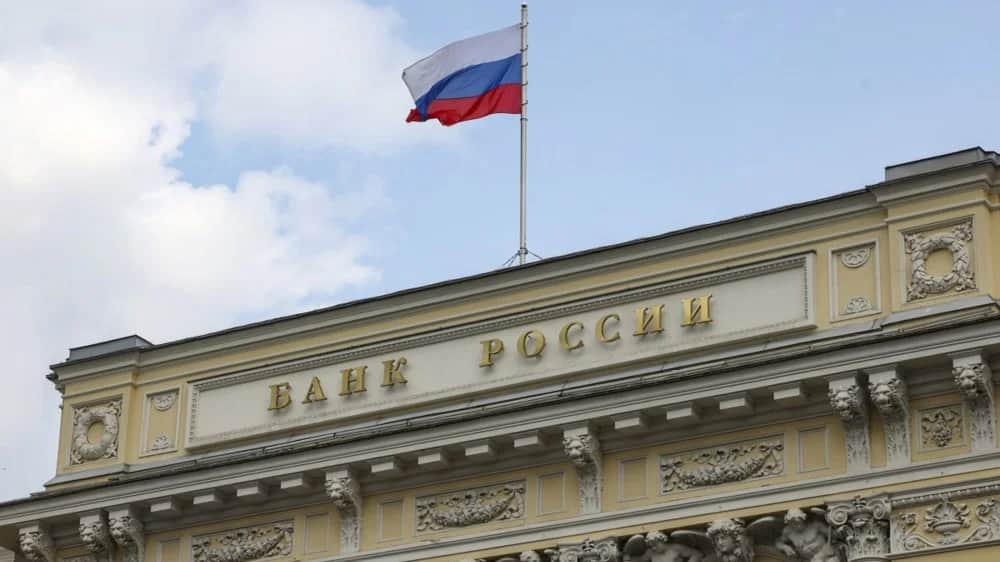
Russia’s Central Bank announced on Friday that it would file a lawsuit in a Moscow commercial court against the Belgian securities depository Euroclear, where Russian assets worth around €190 billion have been frozen since the start of the full-scale invasion of Ukraine.
In its press release, the Central Bank said that any proposals for its assets to be used “directly or indirectly” would “contradict international law, including in respect of immunity of sovereign assets”. Further details, including the amount the Central Bank intends to claim in the lawsuit, have not been disclosed.
This marks the first time Russia’s Central Bank has commented on the European Commission’s plans to use its frozen assets held in Western countries as a reparations loan to Ukraine, under which some €90 billion of frozen Russian assets will be used as collateral.
The European Commission’s move has been met with resistance from Belgium, where Euroclear is based, which fears that Russia could hold it liable for an amount equivalent to a third of Belgium’s annual GDP should the assets be unfrozen and transferred to Ukraine.
Earlier this week, Faridaily, an independent Telegram news channel founded by ex-BBC Russian journalist Farida Rustamova, cited high-ranking Russian officials who said the Kremlin would be “open to the idea” of using some of its frozen foreign assets to fund Ukraine’s post-war reconstruction as part of an eventual peace deal.
However, according to Faridaily’s sources, Moscow remains opposed to the EU’s reparations loan, saying its potential approval would be “tantamount to a declaration of war”.
On 11 December, EU ambassadors voted to grant the European Commission emergency powers to keep Russian assets frozen indefinitely, rather than renewing the freeze every six months. This is seen as a first step towards using Russian assets as collateral for a reparations loan to Ukraine, according to Radio Free Europe/Radio Liberty.