Nearly four years into Russia’s full-scale invasion of Ukraine, the push to end the war is intensifying with not one but two proposals being produced in the last few weeks as American envoys shuttle between Kyiv and Moscow.
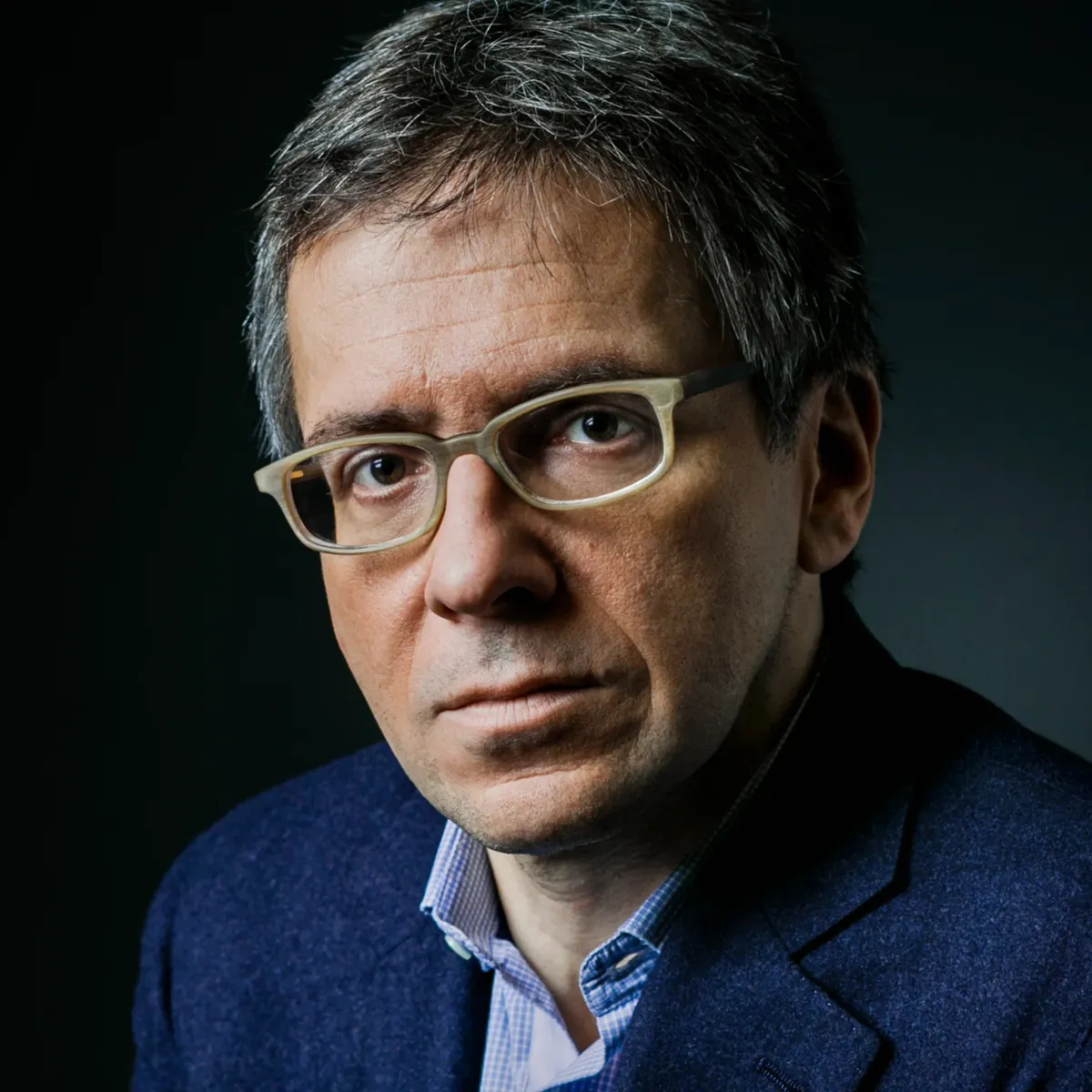
Ian Bremmer
President of political risk research and consulting firm Eurasia Group
Amid public displays of applause — more often than not feigned — for Donald Trump’s efforts to stop the bloodshed, everyone is scrambling to shape the terms of peace, as well as the realities on the ground.
Yet despite the flurry of diplomatic activity, the odds of a ceasefire remain slim. We are unlikely to see one within weeks, or even within months. The reason is straightforward: Russia and Ukraine still have fundamentally incompatible goals, and neither side has found sufficient reason to compromise. Trump’s singular focus on getting a deal (no matter the details) has not changed either party’s strategic calculus.
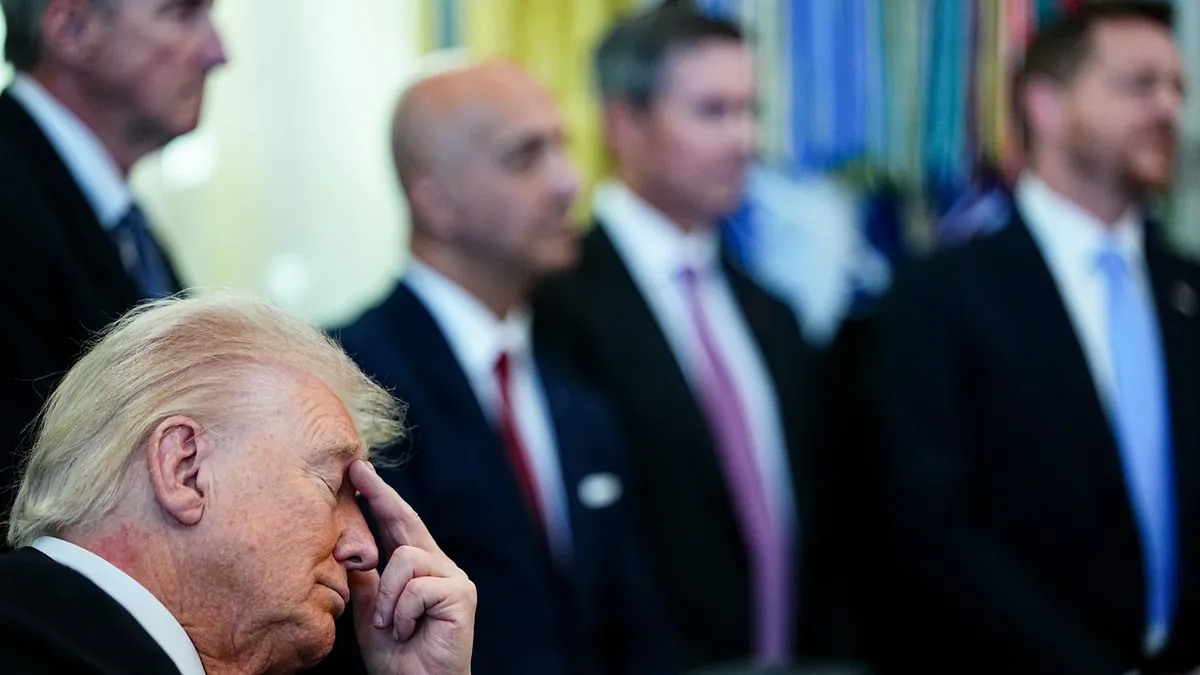
Trump has made ending the war, regardless of the consequences for Ukraine and Europe, a high priority for his second term, and he is annoyed that it has not happened already. When you want to get a deal at the lowest possible cost and don’t particularly care about the terms or the wider short- or long-term implications, the path of least resistance is to pressure the weaker party.
The weaker party, of course, is Ukraine, not just because it has a smaller economy, population, and military than Russia, but also because it is caught up in a corruption scandal that recently claimed Ukrainian President Volodymyr Zelensky’s chief of staff, Andriy Yermak. Recognising that Zelensky is in a challenging position domestically, Trump and his advisers smell an opportunity. Pressuring Ukraine now may be more likely to yield results.
But what they apparently don’t understand is that Zelensky’s weakness makes concessions harder, not easier. While recent polling suggests that only one quarter of Ukrainians want to fight until total victory, a dramatic reversal from the war’s early years, the same polls show that most Ukrainians still want an end to the war on Ukrainian, not Russian, terms.
Even if he was so inclined, a politically vulnerable Zelensky cannot support a deal that smells like capitulation, and which his own people and military would overwhelmingly oppose. For its part, Russia knows that it holds the stronger position and is not trying to reach terms that Ukraine might accept.
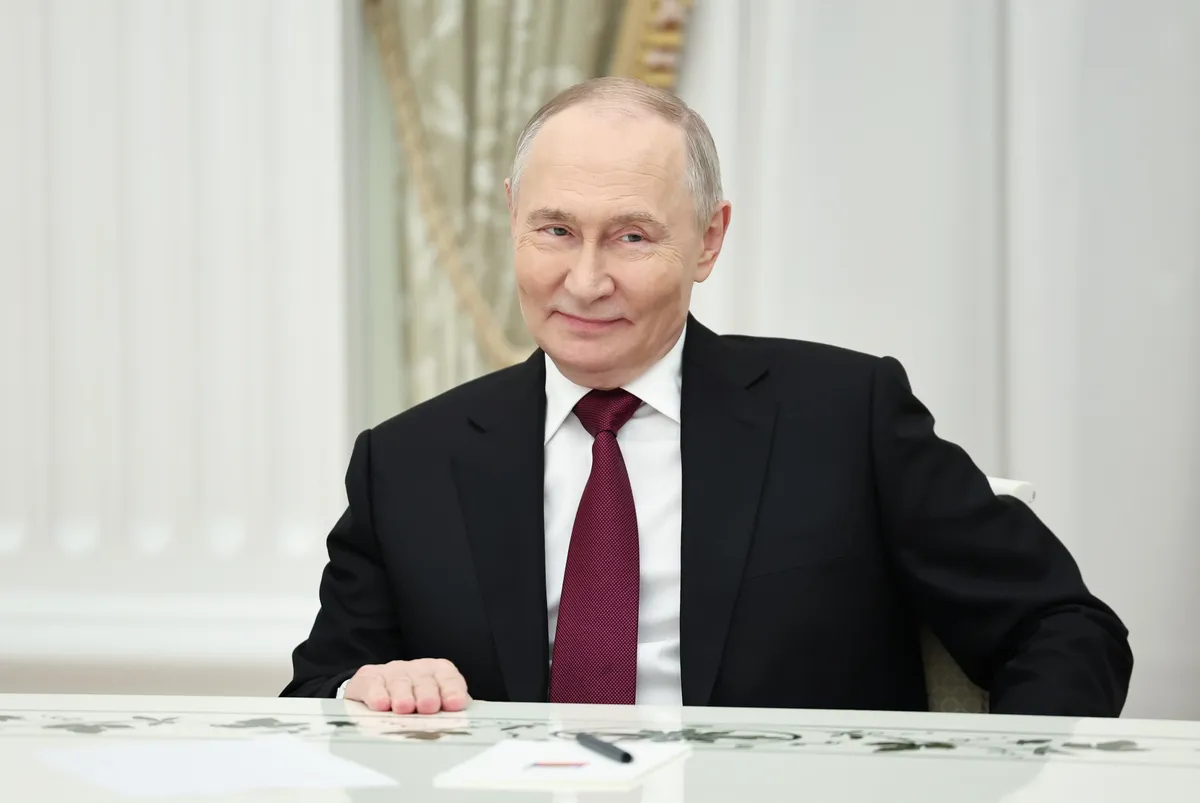
Vladimir Putin meets with US Presidential Envoy Steve Witkoff and Trump's son-in-law Jared Kushner at the Kremlin, 2 December 2025. Photo: EPA/Alexander Kazakov / Sputnik / Kremlin Pool
In fact, Vladimir Putin isn’t trying to end the war at all, because he believes he can achieve better outcomes on the battlefield than at the negotiating table. Russian forces are making slow, grinding progress in Donbas, and though the costs are enormous — tens of thousands of casualties, economic strain, and international isolation — Putin has shown that he is willing to bear them. He remains convinced that time is on his side.
By making maximalist demands that he knows Ukraine cannot possibly accept such as de jure recognition of Russia’s territorial annexations, Ukrainian neutrality with no meaningful security guarantees, and effective limits on Ukraine’s sovereignty, Putin is exploiting Trump’s impatience for a deal.
The Kremlin’s goal is not to negotiate in good faith; it is to appear cooperative to Trump and sympathetic European leaders such as Hungarian Prime Minister Viktor Orbán and Slovakian Prime Minister Robert Fico, in the hopes that the United States will blame Ukraine for the inevitable diplomatic failure. In Putin’s best-case scenario, this strategy gets Russia two things: greater impunity in its attacks on Ukraine (which might otherwise provoke American blowback) and a more divided NATO.
The other limit to Putin’s strategy is that Trump no longer controls Ukraine’s lifeline as European countries are now fully bankrolling Ukraine’s war effort.
But Putin’s strategy has limits. Trump has already shown he can turn on Russia, too. When he grew frustrated with Putin’s intransigence earlier this year, the US granted Ukraine permission to conduct long-range strikes inside Russia, imposed new sanctions on Russian energy giants Rosneft and Lukoil, and pressured India to reduce its purchases of Russian oil.
Moreover, Ukraine, Europe, and US Secretary of State Marco Rubio have done enough (so far) to maintain intelligence sharing with Ukraine, and to continue allowing deep strikes on Russian oil infrastructure.

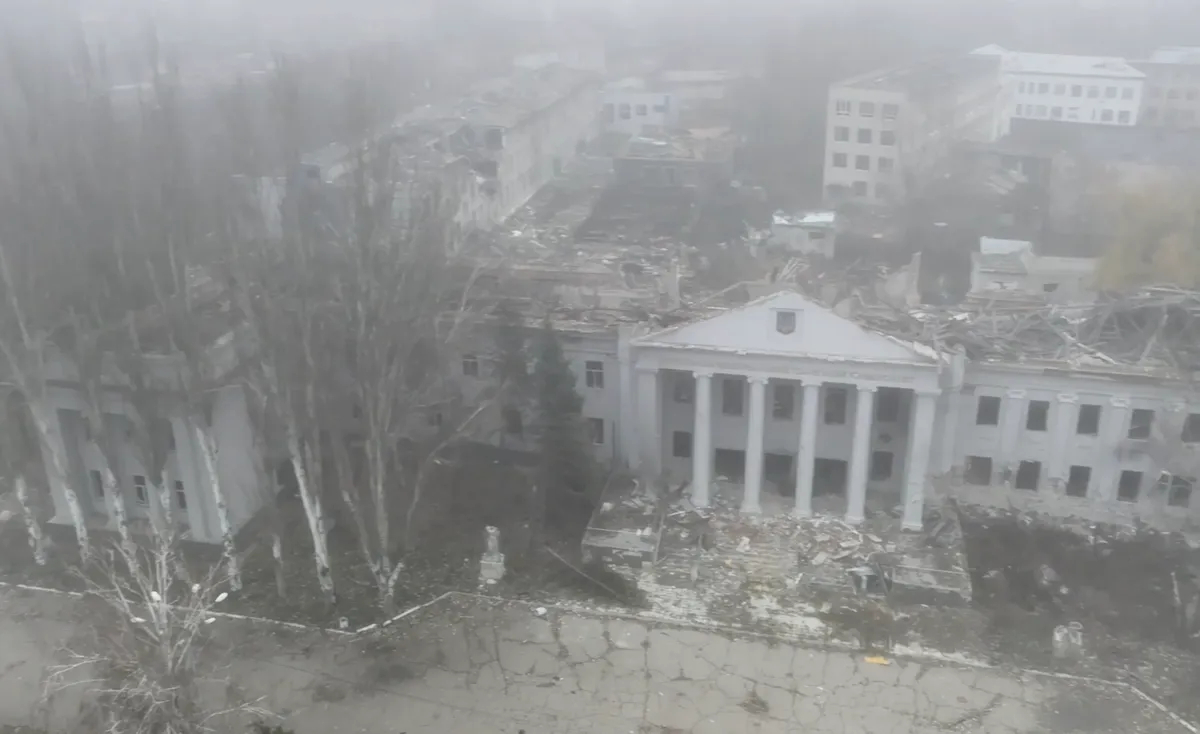
A still from a Russian Defence Ministry video shows an arial view of downtown Pokrovsk in Ukraine’s Donetsk region, 2 December 2025. Photo: EPA / Russian Defence Ministry
The other limit to Putin’s strategy is that Trump no longer controls Ukraine’s lifeline. The US is selling weapons and providing intelligence, but European countries are now fully bankrolling Ukraine’s war effort. That considerably diminishes Washington’s leverage over Kyiv. And whether by leveraging Russia’s frozen assets or by issuing more common debt, European leaders have made clear that they won’t let Ukraine lose for lack of money.
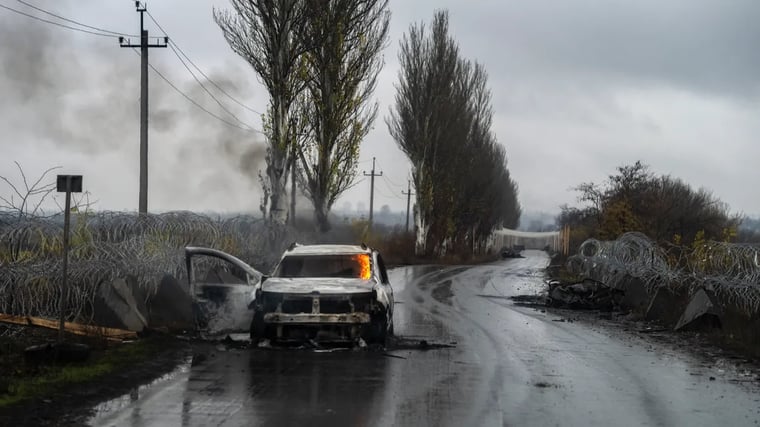
So, the war will grind through another round of failed talks, another winter, and probably another spring. Russian forces will keep trying to take more ground. Ukraine will keep defending itself while striking Russian infrastructure. The human and economic costs will mount. Ukraine’s position will likely deteriorate, even as Russia pays an enormous price in blood and treasure for limited gains. There won’t be enough willingness to compromise anytime soon.
I wish this were not the case. But when the parties’ core objectives are fundamentally incompatible, no amount of external pressure or diplomacy can bridge the gap. Peace will come eventually — but only when the battlefield and material circumstances force it. It won’t come from Trump’s current diplomatic push, no matter how many deadlines he sets.
This article was first published by Project Syndicate. Views expressed in opinion pieces do not necessarily reflect the position of Novaya Gazeta Europe.