UK announces plan to unlock billions in frozen Russian assets to aid Ukraine

The UK government has said it is prepared to transfer £8 billion (€9.2 billion) worth of Russian assets that were frozen in the country in 2022 to Ukraine, The Times reported on Friday.
The announcement came following the end of an official inquiry which found that Vladimir Putin had personally ordered the assassination of Sergey Skripal, a former Russian spy, with a nerve agent in Salisbury in March 2018 in an attack that left one person dead.
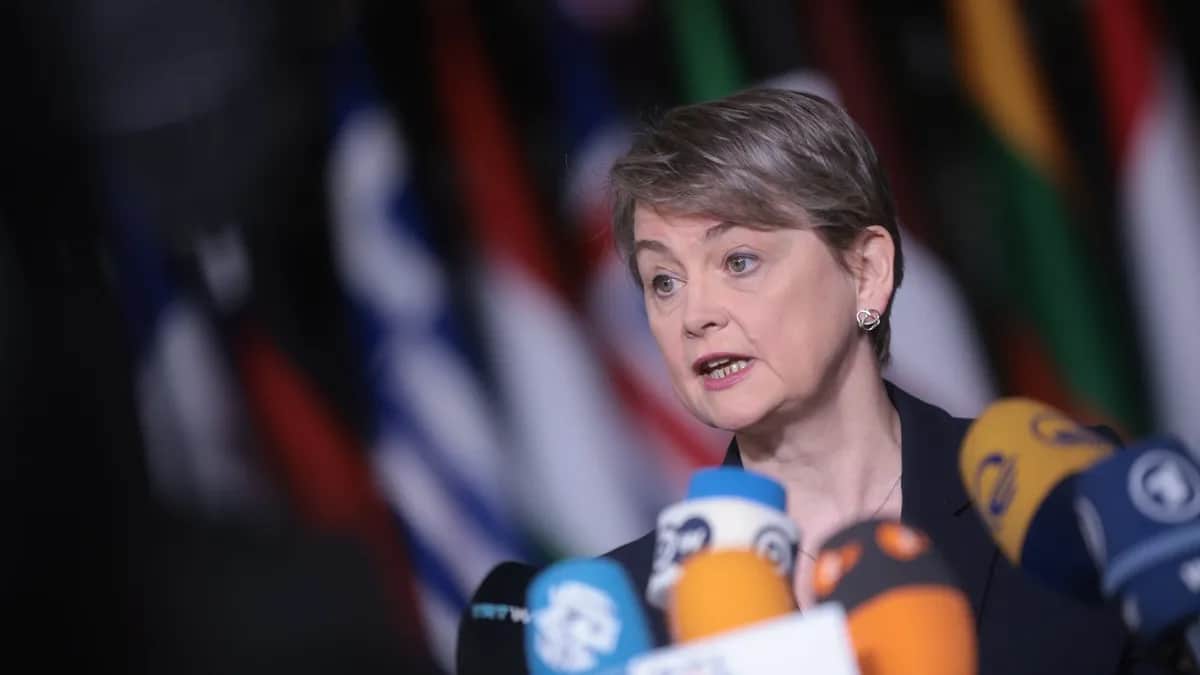
Announcing fresh sanctions on the GRU, Russia’s military intelligence, and officers involved in the attempt on the Skripals’ lives, British Foreign Secretary Yvette Cooper called Putin “an active threat to Britain’s citizens, our security and our prosperity”, and said that “this brazen and despicable aggression on British soil” would not be tolerated.
The UK is also attempting to broker a deal with the EU and other Ukrainian allies including Canada, which would see them transfer a total of up to €115 billion to Kyiv. That sum would cover at least two thirds of Ukraine’s financial needs for the next two years — either to carry on fighting the war or to fund reconstruction efforts if a peace agreement can be reached, The Times said.
The EU, meanwhile, is hoping to agree on a “reparations loan” for Ukraine, which would see the loan to Kyiv of frozen Russian assets, most of which are currently held in the Belgian securities depository Euroclear, The Times continued.
However, the move has been met with resistance from the Belgian government, which fears that Russia could hold it liable for an amount equivalent to a third of Belgium’s annual GDP should the assets be unfrozen and transferred to Ukraine.
While sources told the Financial Times that the European Central Bank had refused to insure the “reparations loan”, the European Commission is considering using EU emergency powers to confiscate the assets and overcome the Belgian veto, The Times added.
One alternative, according to The Times, would be for British and EU taxpayers to lend Kyiv the funds it needs to plug a huge hole in the Ukrainian budget “at a time when borrowing costs for governments are soaring and budget deficits are ballooning across Europe”.