Though he never once had the opportunity to serve in high office, Alexey Navalny was without a doubt the most influential Russian politician of his generation, despite spending the past three years of his life being slowly tortured to death in prison. Novaya Europe looks back at some milestones in Navalny’s decades-long fight against the regime — from leading protesters demanding fair elections to his brave return to Russia following his near-fatal poisoning and despite knowing his incarceration was inevitable.
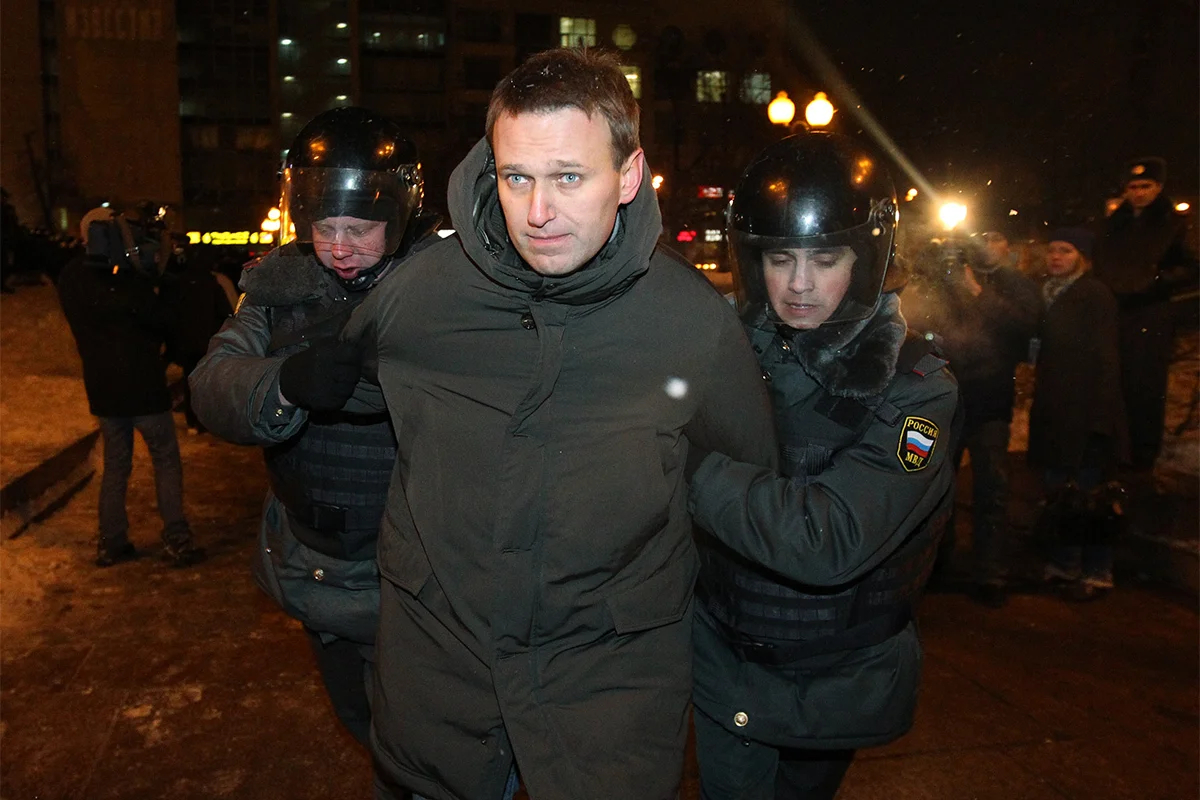
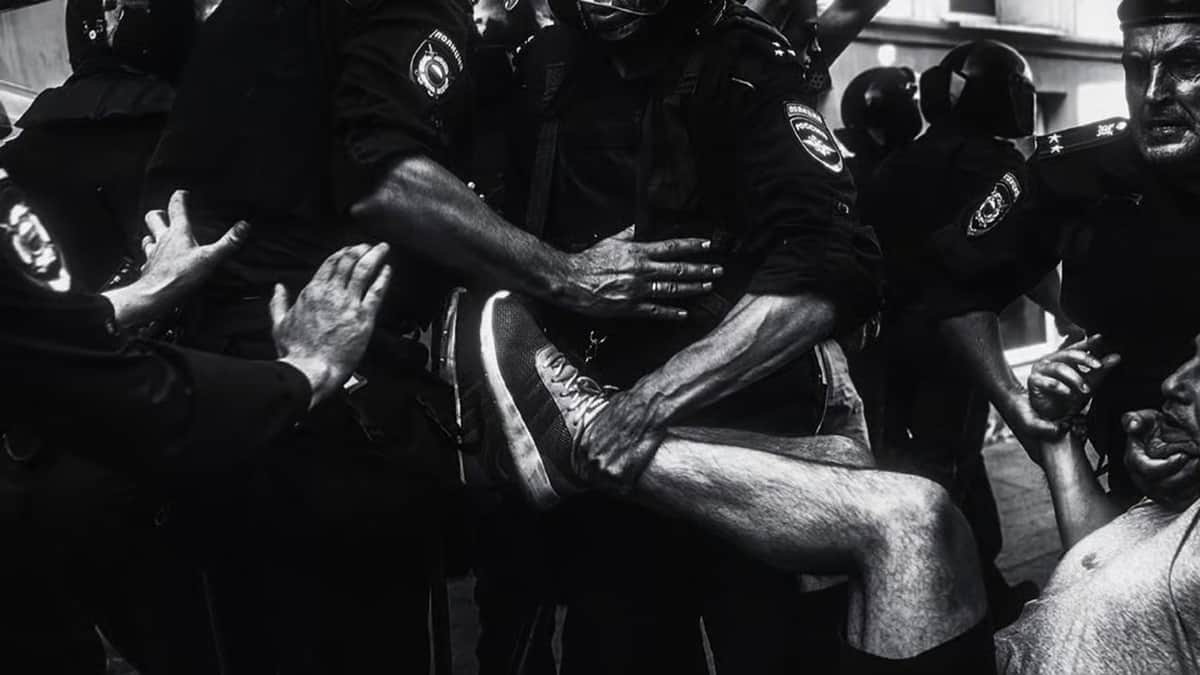
Navalny became widely known after the 2011-2012 protests for fair elections, coining “the party of crooks and thieves” as a moniker for the ruling United Russia party in 2011. He was detained several times while attending protests in Moscow.
Moscow riot police detain Navalny at an opposition rally in Moscow, March 2012. Photo: Konstantin Zavrazhin / Getty Images
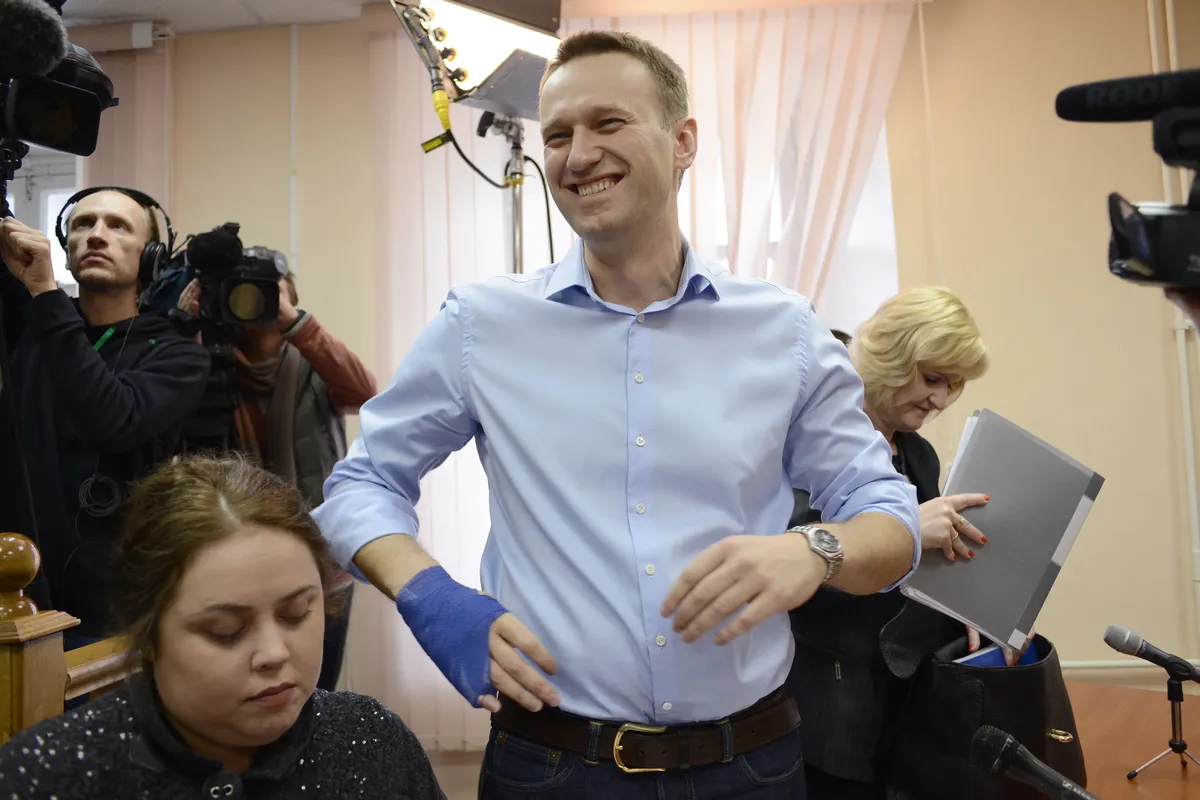
In the summer of 2013 Navalny was found guilty of fraud and money laundering along with his brother Oleg Navalny. Oleg was sentenced to three and a half years behind bars, while Alexey was given a suspended sentence of the same length, interpreted by most as a warning shot by the Kremlin.
Navalny in court during his first trial, April 2013. Photo: EPA/VALENTINA SVISTUNOVA
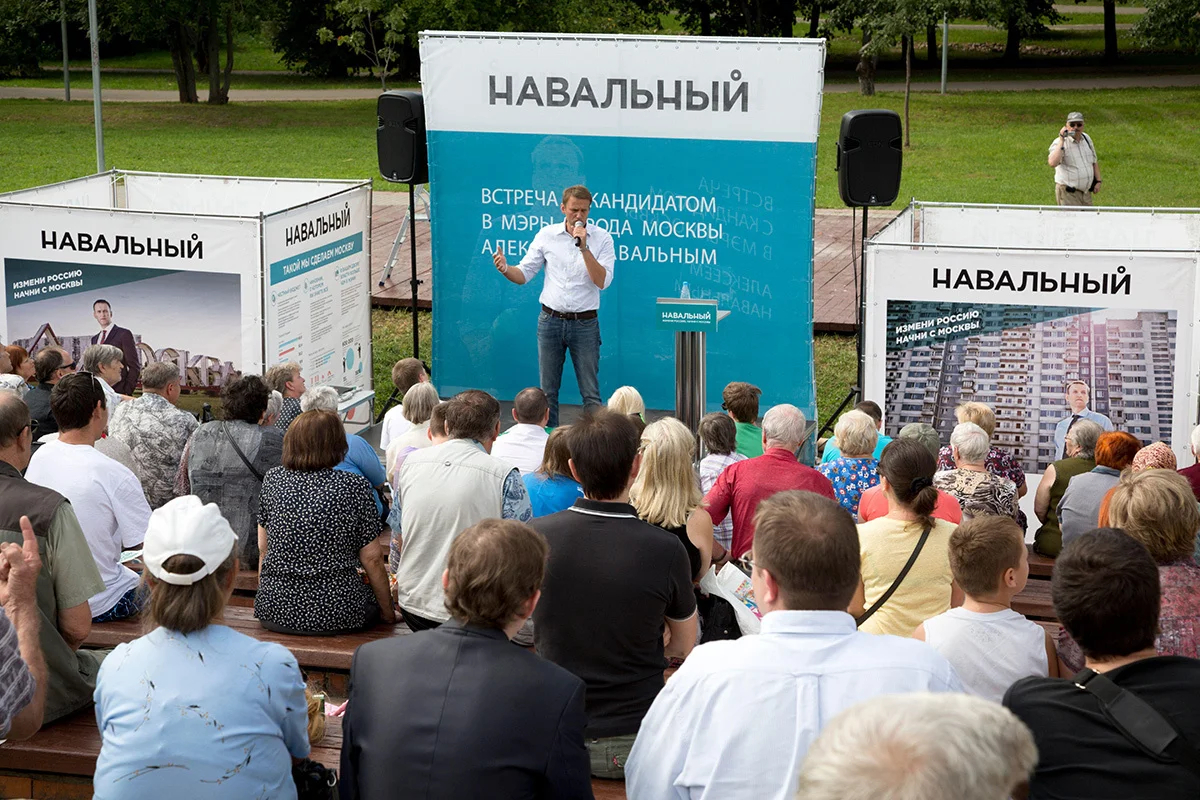
Despite having a criminal record, Navalny was allowed to run for Moscow mayor in 2013: the authorities likely entertained his bid in the expectation that he would disgrace himself by coming in last. Instead, Navalny won over a quarter of the votes and his rival Sergey Sobyanin only narrowly avoided a second round.
Navalny addresses Moscow residents during his mayoral campaign in 2013. Photo: Nikolay Vinokurov / Alamy / Vida Press
Navalny then focused on investigating corruption in Russia with his Anti-Corruption Foundation, or ACF, which was later declared an “extremist organisation” by the Russian government. In 2017 Don’t Call Him Dimon, an investigative documentary detailing the real estate and business assets of Prime Minister Dmitry Medvedev, became the Navalny team’s biggest success, sparking a wave of protests across Russia.
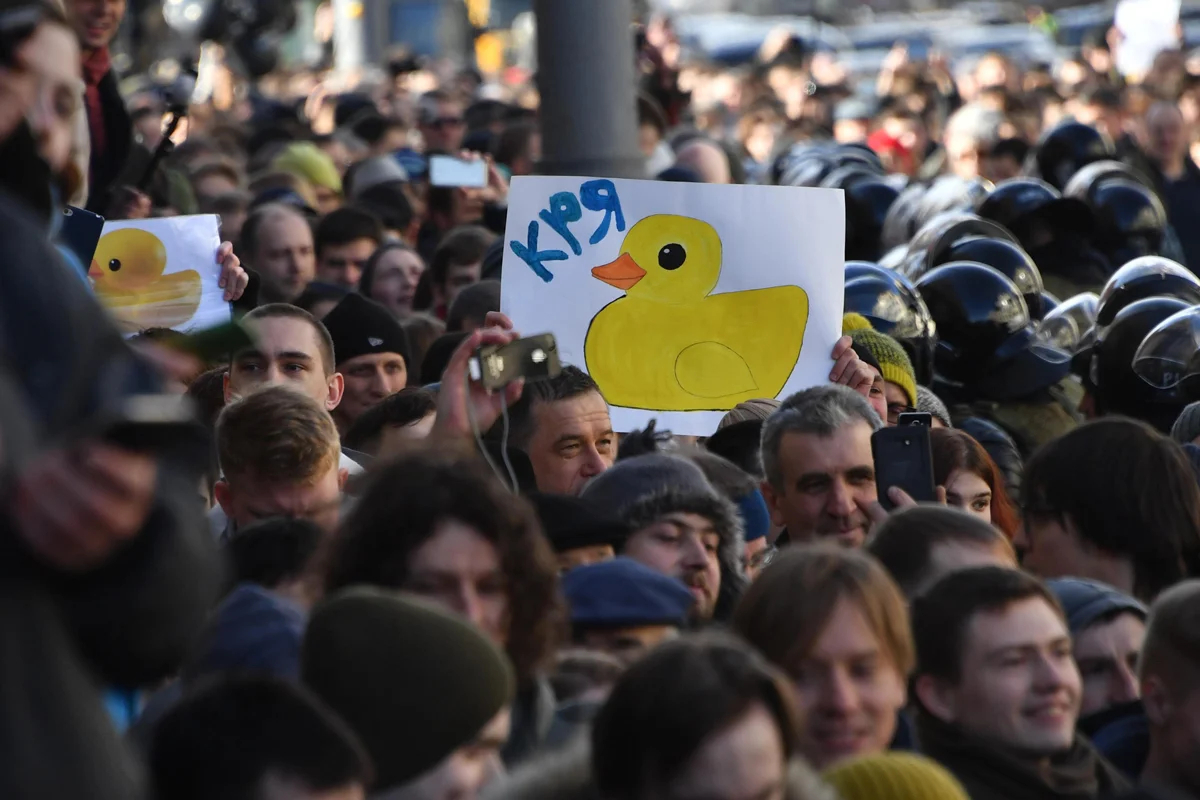
An anti-corruption rally in Moscow, March 2017. Photo: Picvario Media, LLC / Alamy / Vida Press
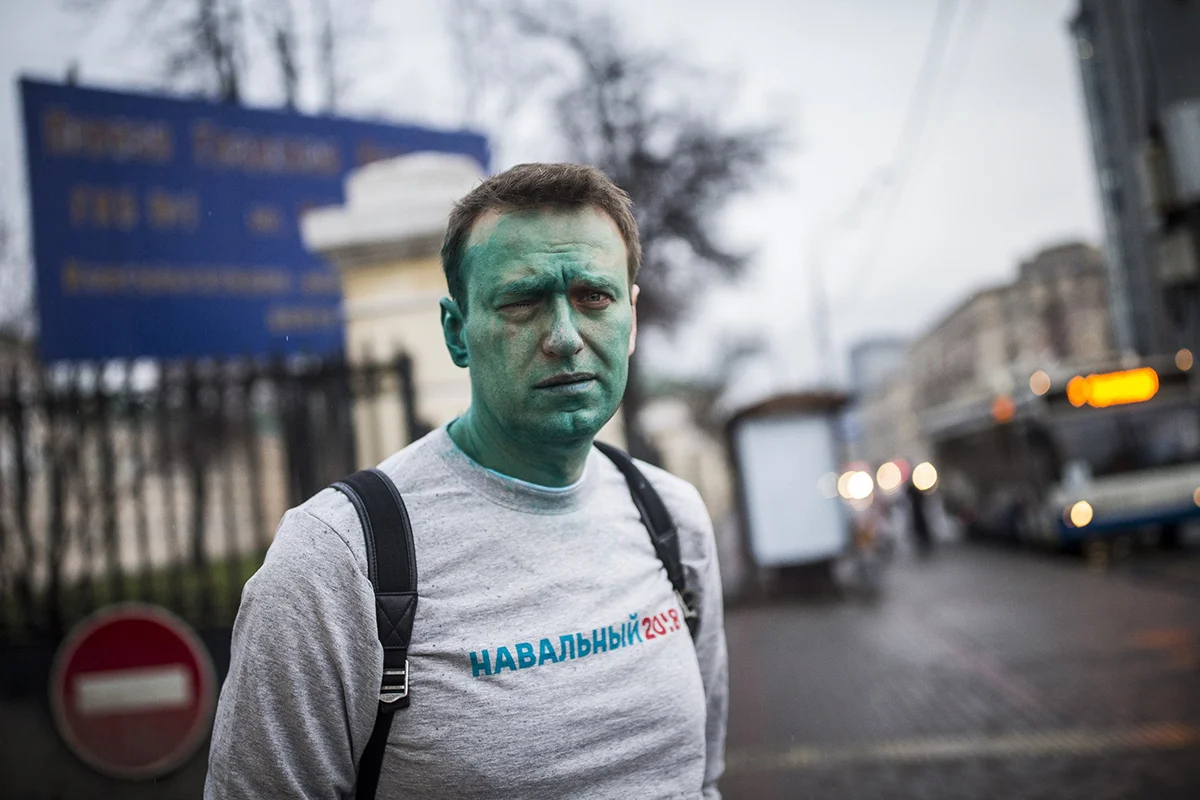
Navalny’s political activity put him in considerable danger, with head of the National Guard Viktor Zolotov threatening to make “mincemeat” out of him after one of the ACF’s investigations. In April 2017, unknown assailants sprayed Navalny with brilliant green dye, damaging his eyesight.
Navalny shortly after being attacked with brilliant green dye in April 2017. Photo: Yevgeny Feldman
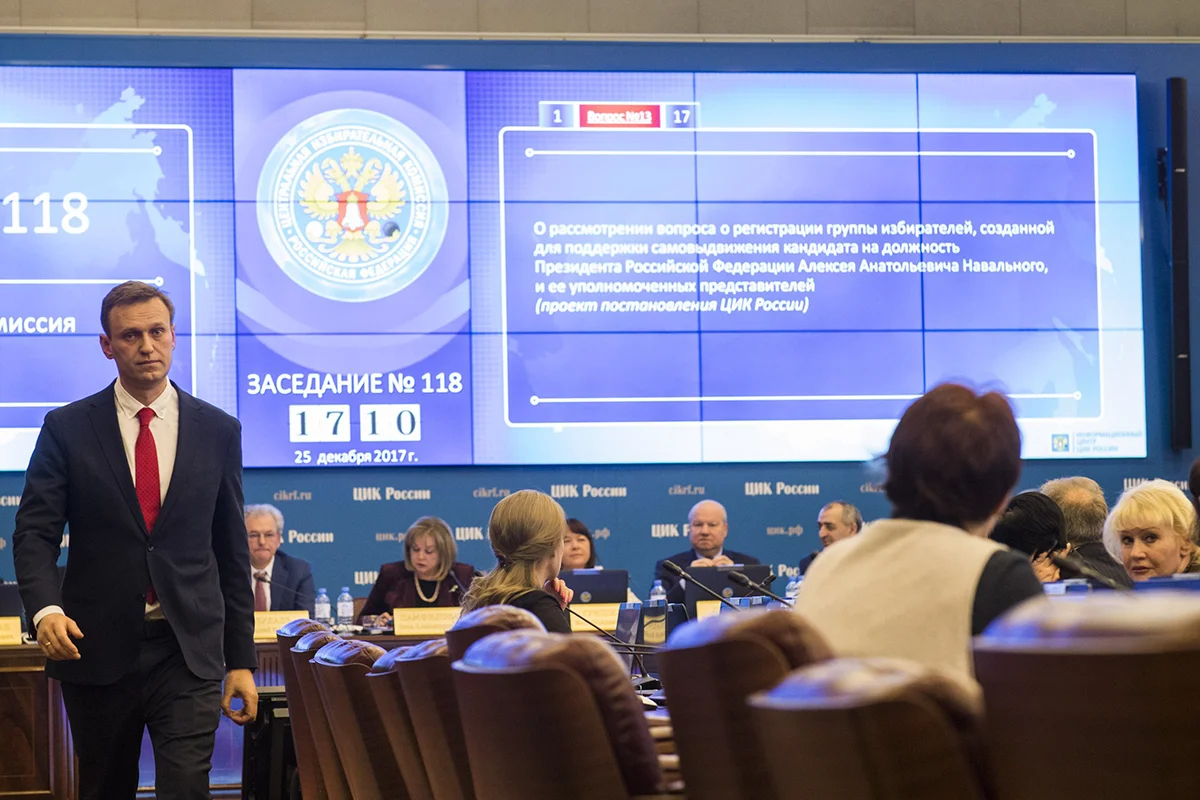
In 2017, Navalny attempted to run for president, but his candidacy was rejected.
Navalny in December 2017 after Russia’s Central Election Commission rejected his candidacy in the presidential election. Photo: Yevgeny Feldman
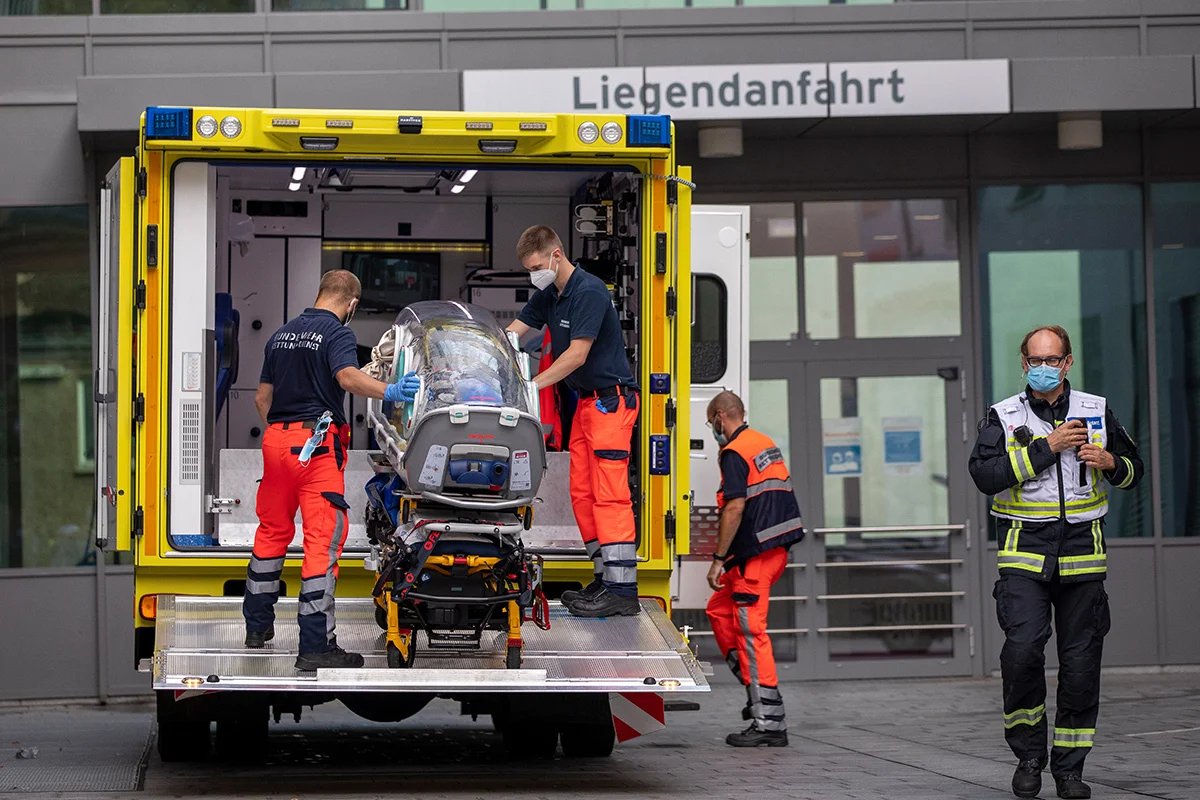
Still, he continued his investigative and political activity, which ultimately ended in him being poisoned by FSB agents with the nerve agent Novichok in August 2020. He survived the poisoning largely due to Putin bowing to international pressure and allowing Navalny to travel to Berlin’s Charité Hospital for treatment in the belief he would not come back.
German army emergency personnel load a portable isolation unit into the ambulance that was used to transport Navalny to Berlin‘s Charité Hospital in August 2020. Photo: Maja Hitij/Getty Images
And yet Navalny returned to Russia in January 2021, where he was immediately detained upon arrival. His arrest sparked mass protests across Russia which were ultimately quashed. Navalny was sentenced to 2 years and 3 months behind bars, but that was later supplemented by numerous extra charges.
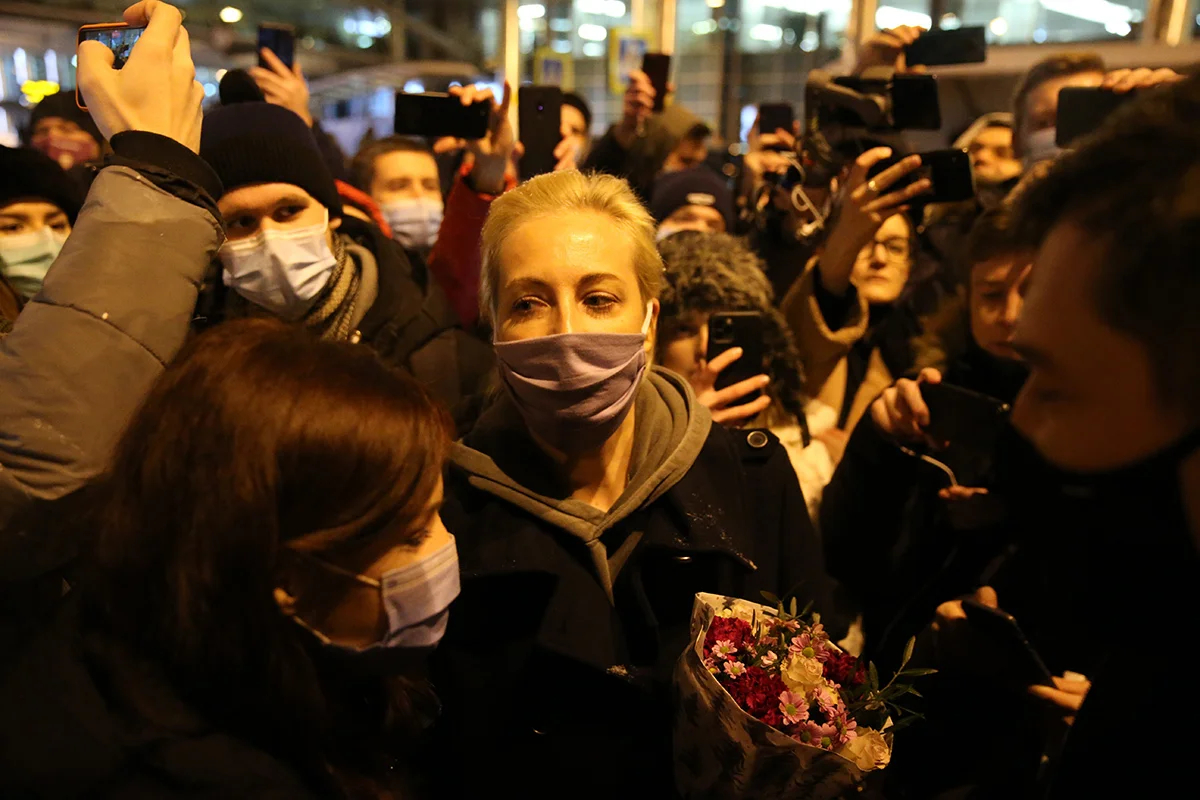
Navalny’s wife Yulia addresses reporters in Moscow Sheremetyevo Airport after Navalny was detained upon his arrival in Russia in January 2021. Photo: Mikhail Svetlov / Getty Images
In March 2022 Navalny was sentenced to an additional nine years in prison for fraud and contempt of court. The toughest sentence he received was in August, however, when he got 19 years in a penal colony for “setting up an extremist community”.
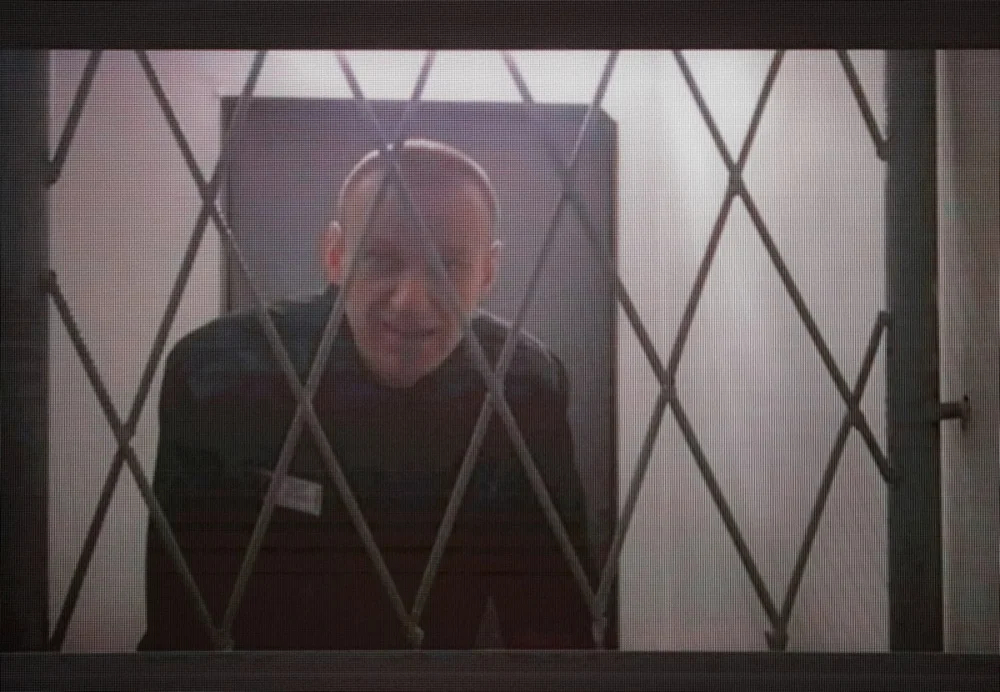
Navalny appears in court via video link in January 2024. Photo: EPA-EFE/YURI KOCHETKOV
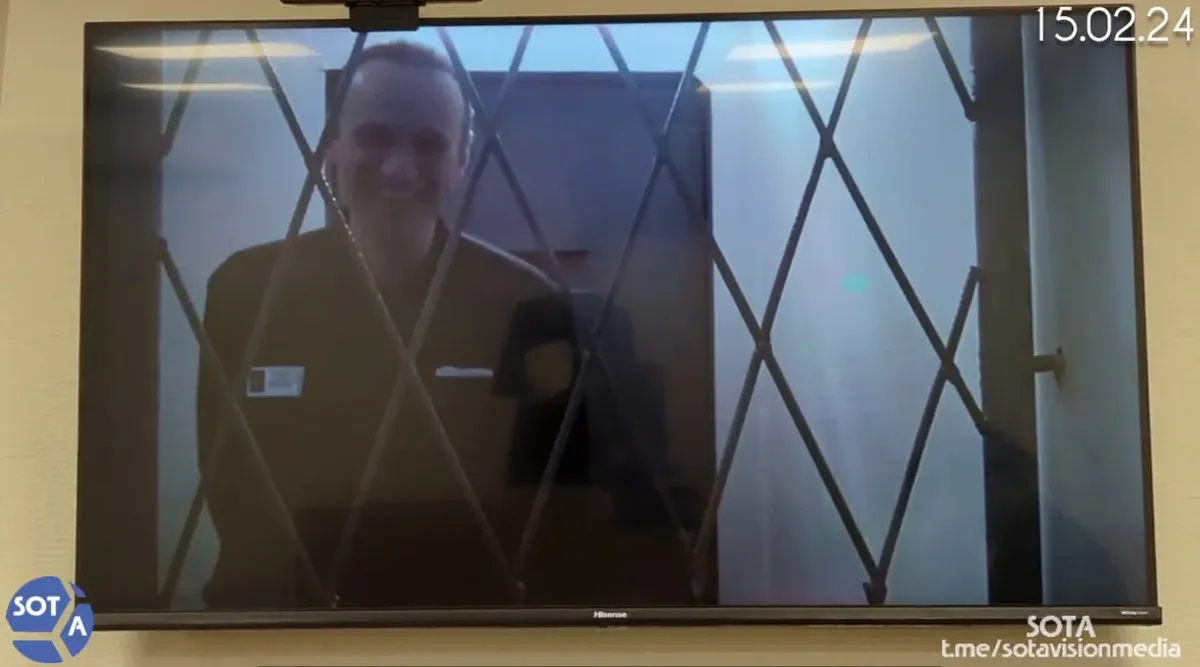
Navalny has been kept in solitary confinement for most of his incarceration. In December he was transferred from his prison in central Russia’s Vladimir region to a prison colony in the village of Kharp in the remote northern Yamalo-Nenets autonomous region. He still appeared in court via a video link, with his last hearing recorded on video just one day before his death. Navalny appeared cheerful and joked around with the prosecutors.
The last video appearance by Navalny on 15 February 2024. Photo: SOTA