A Ukrainian missile strike on the headquarters of Russia’s Black Sea Fleet in the Crimean port of Sevastopol on Friday was significant both due to the damage it caused and its symbolism, bringing the war in Ukraine to Russia’s military top brass and striking a city long synonymous with Russian naval history.
Reported casualties from the attack vary, with only one person being unaccounted for, according to Russia’s Defence Ministry, though the head of Ukraine’s defence intelligence said that as many as nine people had been killed.
“As far as I know, the number of injured people was much higher than the figure officially announced. We are talking about dozens of servicemen,”
a Russian officer stationed in Sevastopol told Novaya-Europe on the condition of anonymity, adding that response teams were still working at the site to clear the rubble.
This is not the first time that Russia’s Black Sea Fleet headquarters have been targeted by the Ukrainian military. In July last year, the building was struck by kamikaze drones, and then was attacked again in another drone strike the following month. As recently as earlier this week, a reserve command post at the headquarters was targeted in shelling.
Yet it shouldn’t come as a surprise that Sevastopol is a target for the Ukrainian military given the Black Sea Fleet’s role in the war to date. According to the officer, Russian strikes on Ukrainian cities and critical energy infrastructure have largely been carried out using Kalibr cruise missiles launched from Russian naval vessels in the Black Sea. The fleet’s high command has also been threatening the naval assault of the Ukrainian port city of Odesa, among others, since the beginning of Russia’s full-scale invasion last year. Black Sea Fleet vessels also “deliver supplies to army units stationed along the coast, conduct radio-technical reconnaissance, control the waterways and patrol the area,” the officer said.

An entrance to the Black Sea Fleet headquarters following the attack. Photo: Telegram
The fleet’s headquarters were likely attacked using Storm Shadow missiles — also known as SCALP — Israeli military expert David Sharp said. This detail sets Friday’s strike apart from previous Ukrainian attacks on the port, which were predominantly conducted using drones. The Ukrainian military has recently begun favouring cruise missile strikes over drone strikes when attacking targets in annexed Crimea, Sharp said, adding:
“Kyiv has its own Neptune missiles adapted to attack surface targets. But I believe that the headquarters was struck with weapons supplied by the West.”
Chief among the several possible explanations Sharp gave for the Ukrainian cruise missile attack coming in broad daylight on Friday was Ukraine’s desire to illustrate simultaneously its own military prowess and Russia’s vulnerability in the headquarters of its own navy. The strike had been intended to show that, without exception, all potential targets in Crimea were vulnerable, Sharp said.
Secondly, seeing smoke rising over Russia’s naval headquarters in Sevastopol has provided a valuable boost to Ukrainian morale as well as further ammunition for the ongoing information war being fought between Moscow and Kyiv. The daytime strike would have also meant greater collateral damage due to the number of naval officers in the building at the time.
Storm Shadow/SCALP missiles are also a challenge for Russian air defences to intercept, being hard to detect using radars, Sharp noted. Despite the claims made by its own propaganda machine, Moscow has not proved itself particularly adept at defending itself from Ukrainian attacks with air and missile defence systems, and lacks both anti-aircraft systems and radars to detect inbound airborne threats.
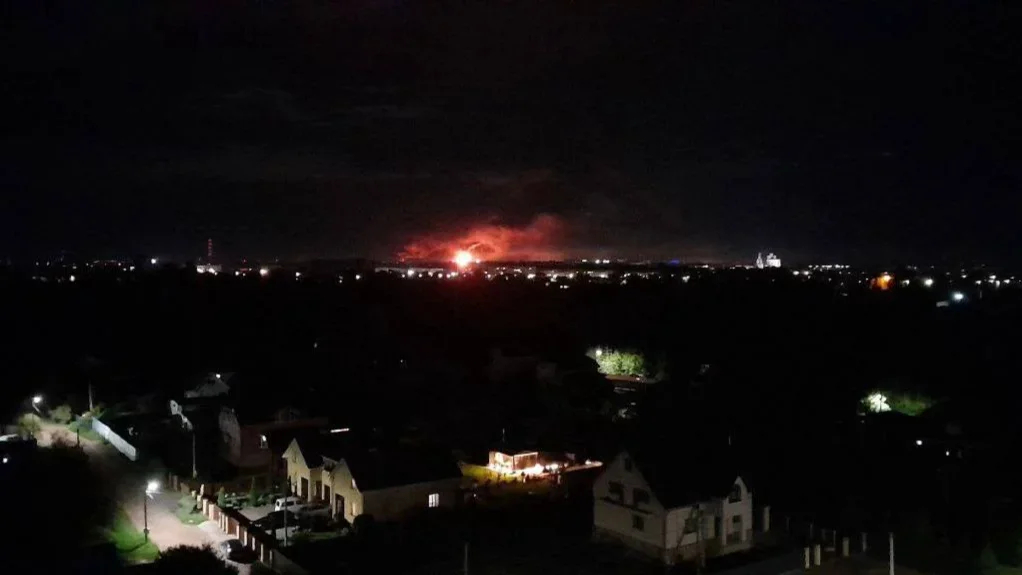
Sharp specified that these strikes were generally accompanied by false aims or “missile traps” meant to overload air defences, a strategy that, in conjunction with modern missiles, gets impressive results. “However, unlike Storm Shadow, Ukraine’s Neptun missiles do not pose the same threat to air defences,” Sharp added.
Military expert and Ukrainian reserve colonel Roman Svitan, who also believes the strike was conducted with Storm Shadow/SCALP missiles, told Novaya-Europe that there had been a meeting of senior naval commanders at the Black Sea Fleet headquarters on Friday and that many of those attending were likely to have been injured in the strike.
Friday’s audacious attack on Sevastopol should be all the proof the Kremlin requires to accept that any target on the annexed Crimean peninsula can now be hit with powerful Ukrainian missiles. Recent reports that the White House has agreed to Kyiv’s overtures to provide it with longer-range Army Tactical Missile Systems (ATACMS) suggest that even more targets in occupied regions of Ukraine, as well as in Russia proper, could now face missile strikes in broad daylight.
As winter fast approaches, Russia should think twice before repeating its targeted attacks on Ukraine’s energy infrastructure. From now on, the Ukrainian response might well be more rapid and more ruthless than before.
Join us in rebuilding Novaya Gazeta Europe
The Russian government has banned independent media. We were forced to leave our country in order to keep doing our job, telling our readers about what is going on Russia, Ukraine and Europe.
We will continue fighting against warfare and dictatorship. We believe that freedom of speech is the most efficient antidote against tyranny. Support us financially to help us fight for peace and freedom.
By clicking the Support button, you agree to the processing of your personal data.
To cancel a regular donation, please write to [email protected]